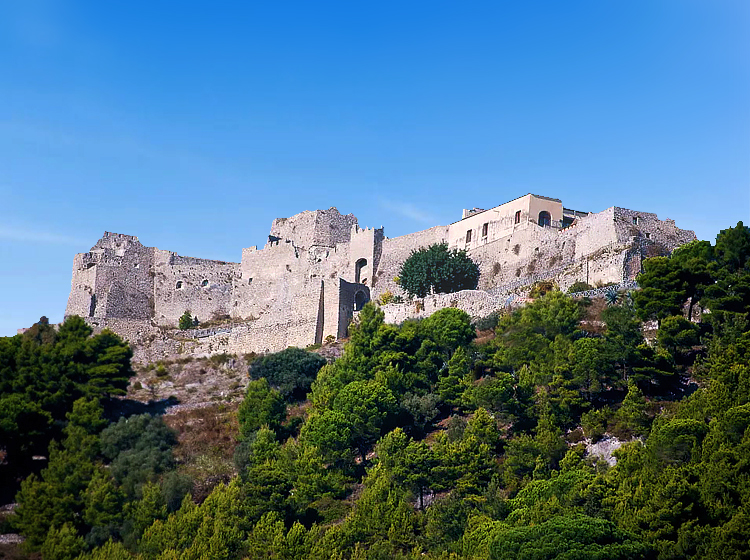
In the Middle Ages Salerno is Byzantine as the whole South of Italy. And the Byzantines must be built a fortification on the Bonadies hill, probably on a pre-existing Roman castrum, which is the nucleus of what is now called “Castello di Arechi”. But it is the Longobards who mark the city and give it the impression that in good part still keeps today.
The Lombards are a “barbarbara” population coming from the Pannonia (which corresponds roughly to today’s Hungary) that invaded Italy in the 6th century and conquered the entire internal area, from Friuli to Pavia – became the capital of the Lombard Kingdom – and to the South to found an autonomous Principality based in Benevento. Prince of Benevento is Arechi II, when Charlemagne invades Italy and defeats the King Desiderius (774 A.D.) ending the northern Longobardy. It remains that of the South, the southern Longobardy, with capital, in fact Benevento, but with an increasing role of Salerno.
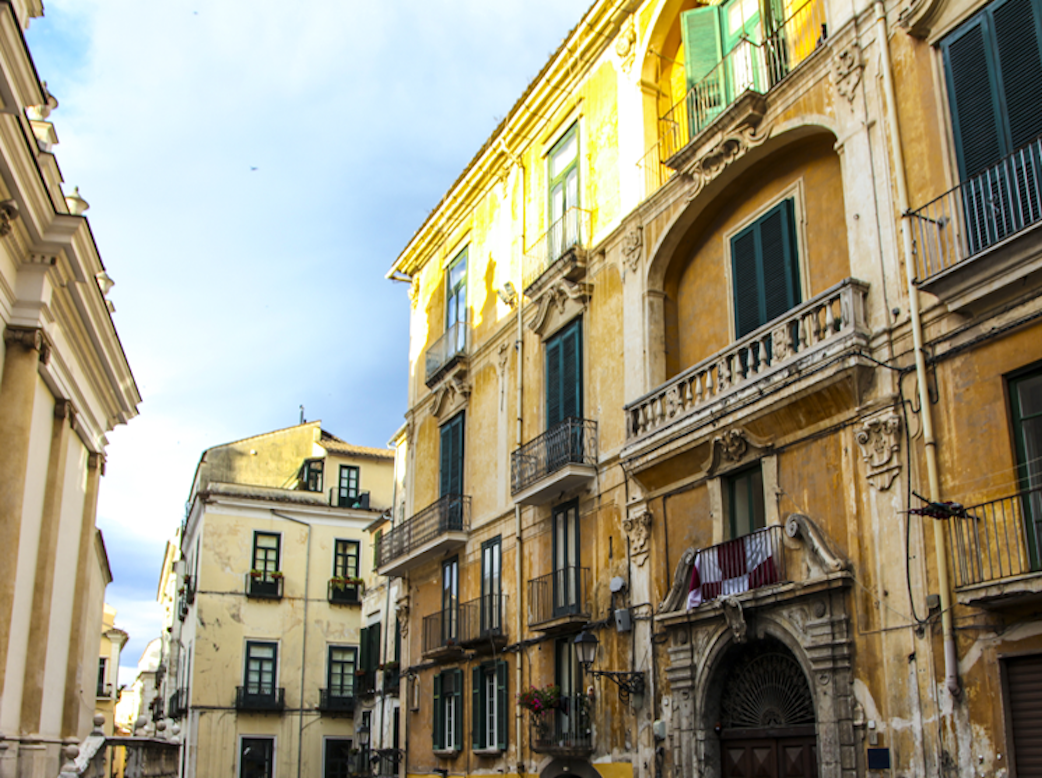
Arechi strengthens the walls that descend from the castle, and builds its palace, of which we can still visit the magnificent Palatina Chapel. Soon Salerno becomes an autonomous principality from Benevento, and also assumes, open port on the Tyrrhenian, a fundamental role in the Lombard “nation”. A new palace is built (Palazzo San Massimo), now desolate and in need of restorations, but which preserves traces of the ancient splendor.
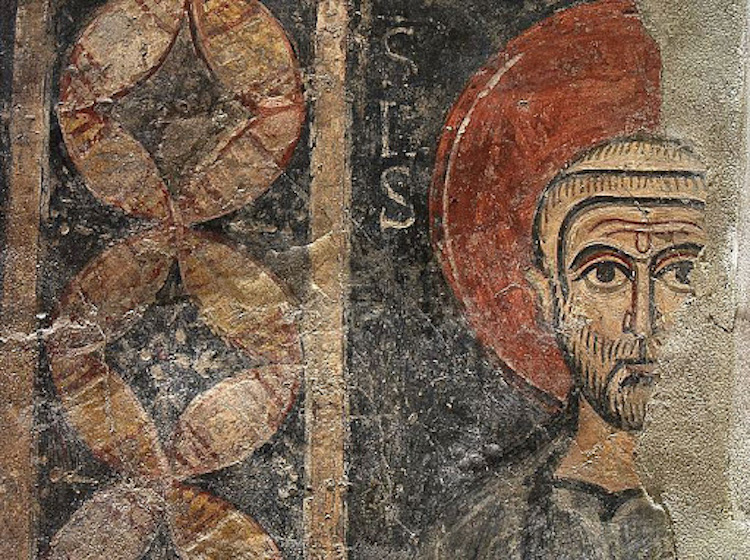
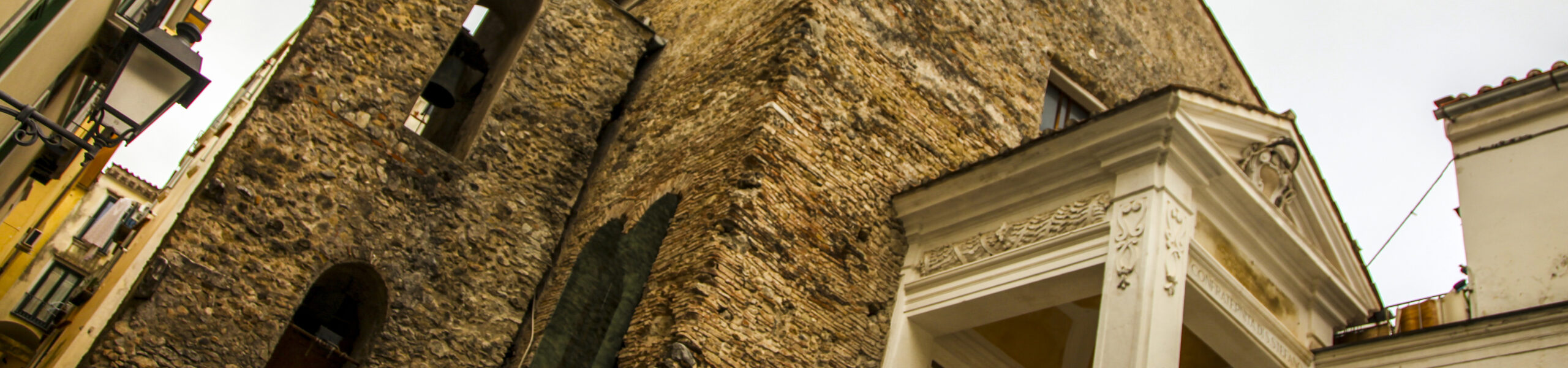
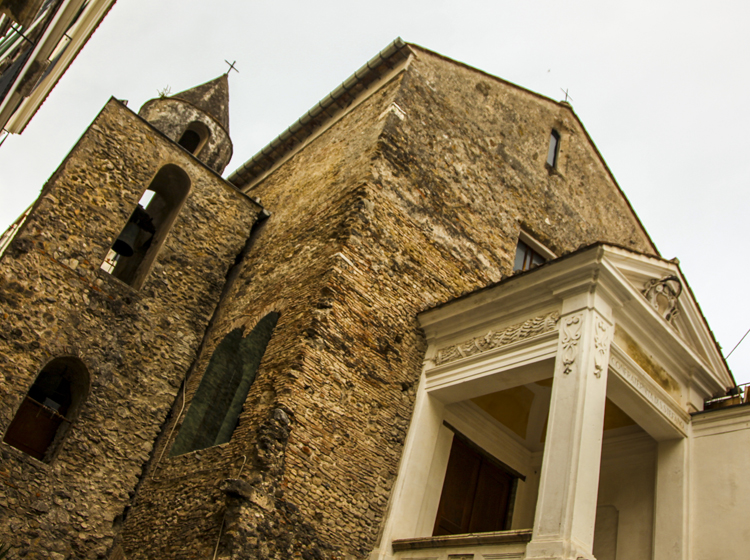
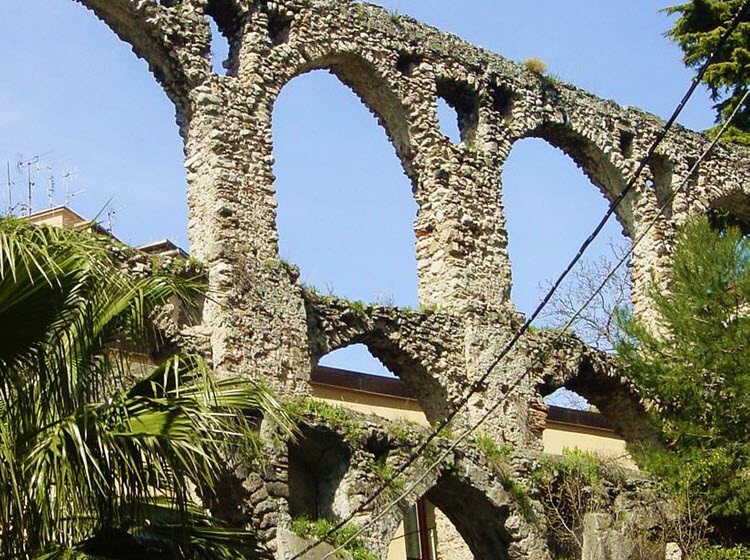
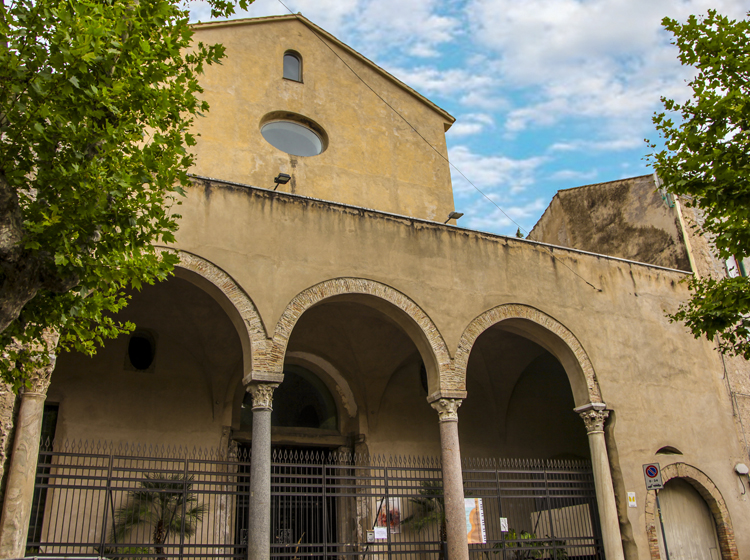
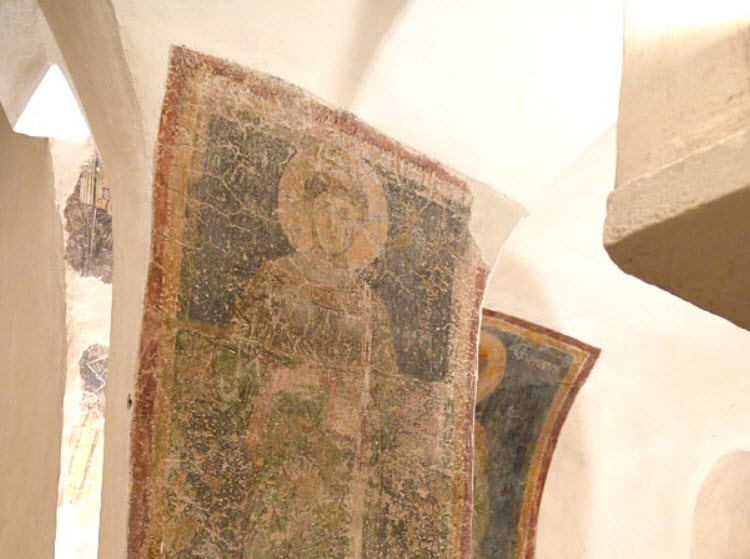
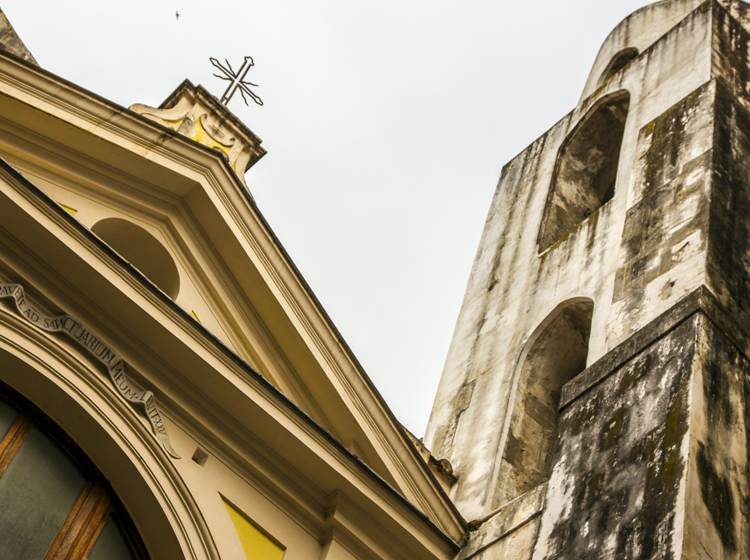
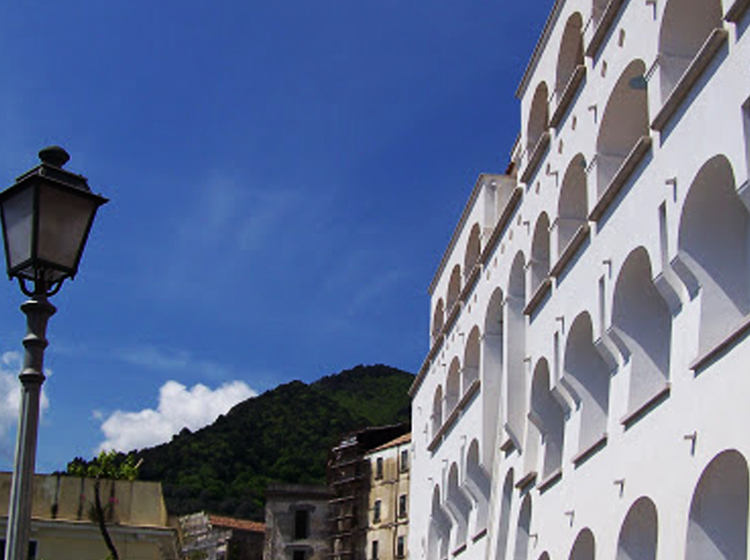
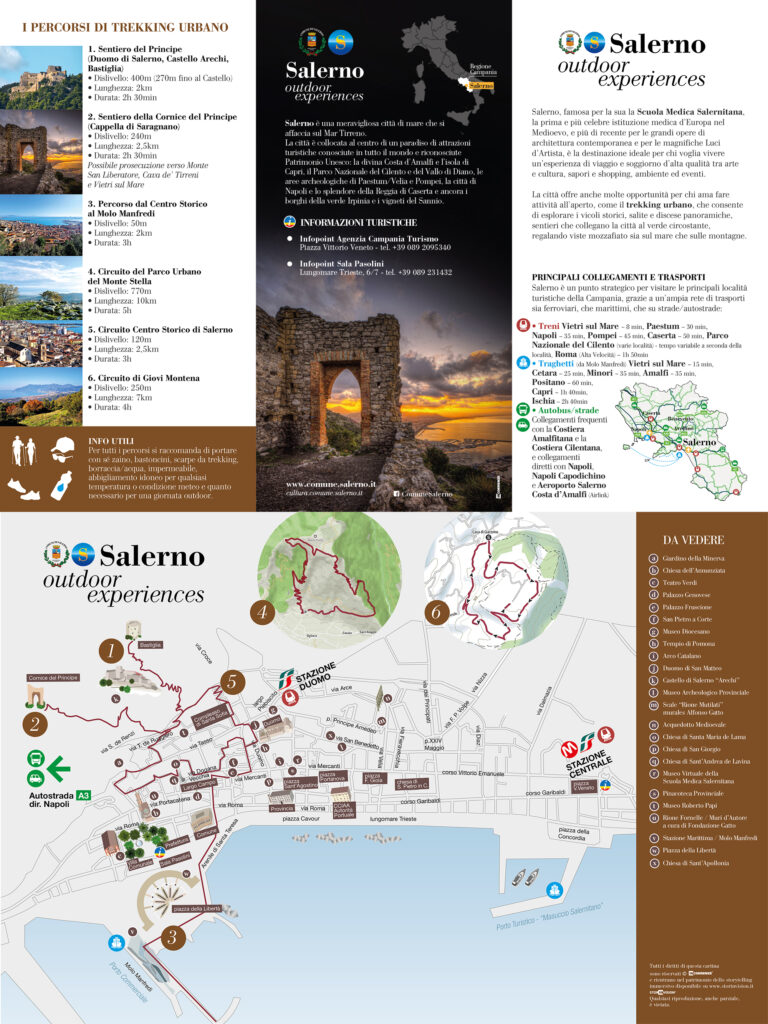
Rests of their presence are throughout the city. The most famous is probably the complex of the arches of the aqueduct that was to serve the Benedictine Monastery of San Benedetto. Interesting remains are the frescoes preserved in the basement of Santa Maria de Lama. Also Sant’Andrea de Lavina, dating back to the 9th century, has in the underground traces of paintings of the Longobard period.
Among the many monasteries that characterized the Lombard city, one of the most important was that of San Lorenzo, a Lombard princely foundation, today completely restored. These structures, usually equipped with a garden for the cultivation of medicinal herbs, were often used as hospitals – in accordance with the vocation to welcome the Benedictine world – and it is hypothesized that they were attended by doctors of the Salernitana Medical School, who in the Lombard era was born and gave European fame to the city of Salerno.
With the Longobardi Salerno becomes a city full of traffic and trade, Opulenta Salerno, is written on a crowd, the coin coin coin coin coined in Salerno.


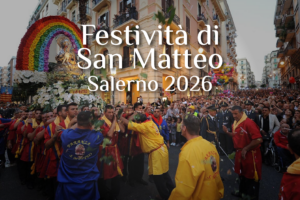 L'evento inizierà tra 167 giorniSan Matteo fest Free admission 21 Sep 2026