


Fort La Carnale
- Description
- Event
- News
- Gallery
- Contacts
- Map
- Opening hours
- Itineraries
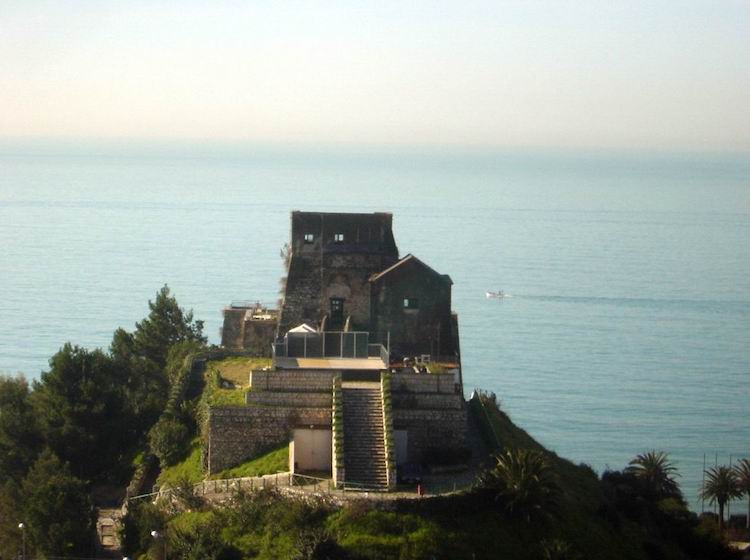
The La Carnale Fort, scenically placed on the waterfront in the neighborhood named precisely after this fortification, Torrione, is linked to a legendary story about a massacre of Saracens by Norman knights.
The La Carnale Fort is located in today’s Torrione neighborhood, a few hundred meters from the city’s train station. Although the fortification was built only in the 16th century, recent restoration work has uncovered traces of tombs from the Roman and Longobard periods.
It is named after a massacre of Saracens that took place in the year 872 AD, right around the promontory on which the fort now stands, by a group of Norman knights.
Writer John Julius Norwich, in his “The Normans in Sicily“ relates that while a group of Norman pilgrims returning from Jerusalem were resting in Salerno, guests of the Lombard duke Rainulfo, the city was attacked by Saracens. As the inhabitants fled and the undisturbed Saracens began to plunder the city, the Norman warriors put their hands to their weapons and inflicted a sound defeat on the looters. The scene of the clashes and the ensuing carnage was the promontory that now houses Fort “La Carnale”.
Since its construction, the fort has had different uses. Some elements, such as the presence of irons in the walls and the particular position with respect to the city, lead one to think that it was initially a horse tower, that is, it housed men on horseback who had the task, in case of attacks from the sea, to warn the population.
In the mid-17th century the fortification was used by Ippolito da Pastena, also known as the Salerno Masaniello, as a command base for an anti-Spanish revolt.
The central and elevated location also made it an excellent military base for the garrison of Henry Cospitar, who, with his 100 men, opposed the landing of French troops, and managed to save Salerno from capitulation.
In the fortification are to be seen the bastions, the walls, the central wall, the soldier cells, and the terrace on the sea. During the last war, Carnal was equipped with coastal batteries with traces still existing in the terraces.
Loading…
| Monday | not accessible | |
| Tuesday | not accessible | |
| Wednesday | not accessible | |
| Thursday | not accessible | |
| Friday | not accessible | |
| Saturday | not accessible | |
| Sunday | not accessible |
Nessun itinerario disponibile.