• Home
  • Explore places
    • Itinerary
    • Verdi Theater
      • Home Verdi Theater
      • The season
      • Ticket office
      • Guided Tours Verdi Theater
    • Cultural Venues and Theatres
    • Churches and Monasteries
    • Palaces and Squares
    • Museums and Archaeology
    • Gardens and Parks
    • Modern Architecture
  • Events
    • Find an Event
    • Artist Lights
    • Must‑see events in Salerno
    • Featured Events
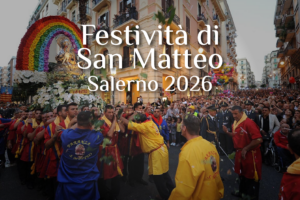
    • Events L'evento inizierà tra 167 giorniSan Matteo fest Free admission 21 Sep 2026
  • News
  • Salerno
    • historicals Figures
    • History of Salerno
    • The city
    • Civic Museum
    • Food and Wine
    • Traditions
    • Context and surroundings
    • How to get there
    • Cruise Ships 2026
    • Move
    • Useful Links
    • Contact us
  • Projects
  • English
    • English
    • Italiano
    • Français
Salerno Cultura -
  • Home
  • Explore places
    • Itinerary
    • Verdi Theater
      • Home Verdi Theater
      • The season
      • Ticket office
      • Guided Tours Verdi Theater
    • Cultural Venues and Theatres
    • Churches and Monasteries
    • Palaces and Squares
    • Museums and Archaeology
    • Gardens and Parks
    • Modern Architecture
  • Events
    • Find an Event
    • Artist Lights
    • Must‑see events in Salerno
    • Featured Events
    • Events L'evento inizierà tra 167 giorniSan Matteo fest Free admission 21 Sep 2026
  • News
  • Salerno
    • historicals Figures
    • History of Salerno
    • The city
    • Civic Museum
    • Food and Wine
    • Traditions
    • Context and surroundings
    • How to get there
    • Cruise Ships 2026
    • Move
    • Useful Links
    • Contact us
  • Projects
  • English
    • English
    • Italiano
    • Français
Salerno Cultura -
  1. Home
  2. Personaggi
  3. Historical Figures of Salerno
  4. Giovanni Da Procida

Giovanni Da Procida

Giovanni da Procida, a minister of Frederick II and later his sons, expanded the port of Salerno and started the very important St. Matthew’s Fair.

Data/periodo nascita

1210

Data/periodo morte

1298

Ruolo / Attività

Medico, politico, organizzatore Vespri Siciliani

post thumbnail placeholder
Biografia completa

Giovanni da Procida (1210-1298) was a major collaborator of the Swabian dynasty, working with Frederick II and then Manfred to continue, after the fall of Corradino, the anti-Angevin policy, which led him to organize the Sicilian Vespers, and the Aragonese conquest of Sicily.
He was a physician, in the tradition of Salerno’s intellectuals, and is linked to Salerno, in addition to his birth and residence, to two major interventions that changed the face of the city. He expanded the harbor into what is still known today as “Molo Manfredi,” in memory of the king who authorized the work conducted precisely by Giovanni d Procida. He was then the creator of the Fair of St. Matthew, which for centuries would characterize the city and became the moment of maximum economic development until the threshold of contemporary times. Lo Cunto delli Cunti speaks of the Fair in the seventeenth century, testifying to its fame, and still in the eighteenth century there are a few travelers on the Grand Tour who visit the Fair in Salerno.
The event was held for St. Matthew’s Day and spread over a vast area from Porta Nova to the slopes of Carmine, with merchants coming from different parts of the world. The Fair hosted animals, including horses from all over the Mediterranean area, and the fixed stalls, which covered the entire fair area, hosted merchants from Northern Europe, Africans, as well as Amalfitans, Genoese, and Venetians, the great merchants of the time.
The role of Giovanni da Procida in the Vespri Siciliani is recognized by Giuseppe Verdi, who staged him as a character in the opera of the same name.

Comune di Salerno
Via Roma – Palazzo di Città, 84121 Salerno
C.F. 80000330656 P.IVA 00263650657
Email: cultura@comune.salerno.it

Explore Places

  • Itineraries
  • Cultural Venues and TheatresCultural venues and theatres in Salerno enliven the city’s artistic life with a dense network of historic halls and contemporary spaces dedicated to theatre, cinema, music and performing arts. From the Municipal Theatre Giuseppe Verdi and the Cinema Teatro Augusteo to the Teatro Ghirelli, Sala Pasolini and neighbourhood theatres such as Teatro delle Arti, Piccolo Teatro del Giullare and Teatro Nuovo, these spaces host seasons, festivals, workshops and projects that make culture accessible to residents and visitors all year round.
  • Churches and MonasteriesThe churches and monasteries of Salerno preserve the spiritual and historical heart of the city, especially in the old town centre, where monumental buildings and more intimate spaces tell centuries of faith and art. From the Cathedral of San Matteo to the monastic complexes of San Benedetto, Santa Sofia and San Giorgio, a journey through these sites crosses different eras — from medieval and baroque architecture to spaces now repurposed for culture — keeping alive the connection with the religious roots of the territory.
  • Palaces and SquaresPalaces and squares in Salerno form a vibrant urban fabric, where noble residences, historical archives and monumental spaces recount the city’s civil and social evolution from the Middle Ages to the twentieth century. From Piazza Portanova and Largo Campo to Piazza Abate Conforti, from Palazzo Fruscione to the City Hall and the many historic buildings along Via dei Mercanti and in the Duomo district, every corner offers evocative architectural settings that combine history, everyday life and the symbolic places of the Salerno community.
  • Museums and ArchaeologyMuseums and archaeology in Salerno recount the thousand-year history of the territory through artefacts spanning from prehistory to the Roman era, housed in a network of institutions spread across the city. From the Provincial Archaeological Museum, hosted in the former monastery of San Benedetto and dominated by the famous bronze head of Apollo, to civic and diocesan museums and the routes dedicated to the Etruscan-Samnite sites of Fratte, each exhibition offers an immersive journey through everyday objects, funerary goods, sculptures and the evidence of ancient civilisations in the Salerno area.
  • Gardens and ParksGardens and parks in Salerno offer a widespread network of green areas stretching across the entire city — from historic gardens to large urban parks — creating spaces for relaxation and socialising just steps from the sea. From the Parco del Mercatello to the Parco del Seminario, from the Parco dell’Irno to the gardens of the eastern district and the Giardino della Minerva, these places combine nature, outdoor sports and cultural events, enhancing the urban landscape and making the city more liveable in every season.
  • Modern ArchitectureModern architecture in Salerno reshapes the relationship between the city and the sea with iconic buildings and open public spaces, transforming the waterfront into a new contemporary urban hub. From the Crescent and Piazza della Libertà to Zaha Hadid’s maritime station, the Santa Teresa seafront and the Cittadella Giudiziaria, a dynamic architectural landscape emerges — one of fluid lines, essential volumes and sea-facing squares designed for the social and cultural life of the city.

Events

  • Concerts
  • Dance
  • Exhibitions
  • Fairs
  • Festivals & Series
  • Music
  • Opera
  • Festivals & Series
  • Theatre

Salerno

  • Salerno
  • Contact us
  • Useful Links
  • Move
  • Cruise Ships
  • How to get there
  • Context and surroundings
  • City Museum
  • The city

© 2026 Comune di Salerno – All rights reserved

  • Credits
  • Privacy Policy
  • Cookie Policy