


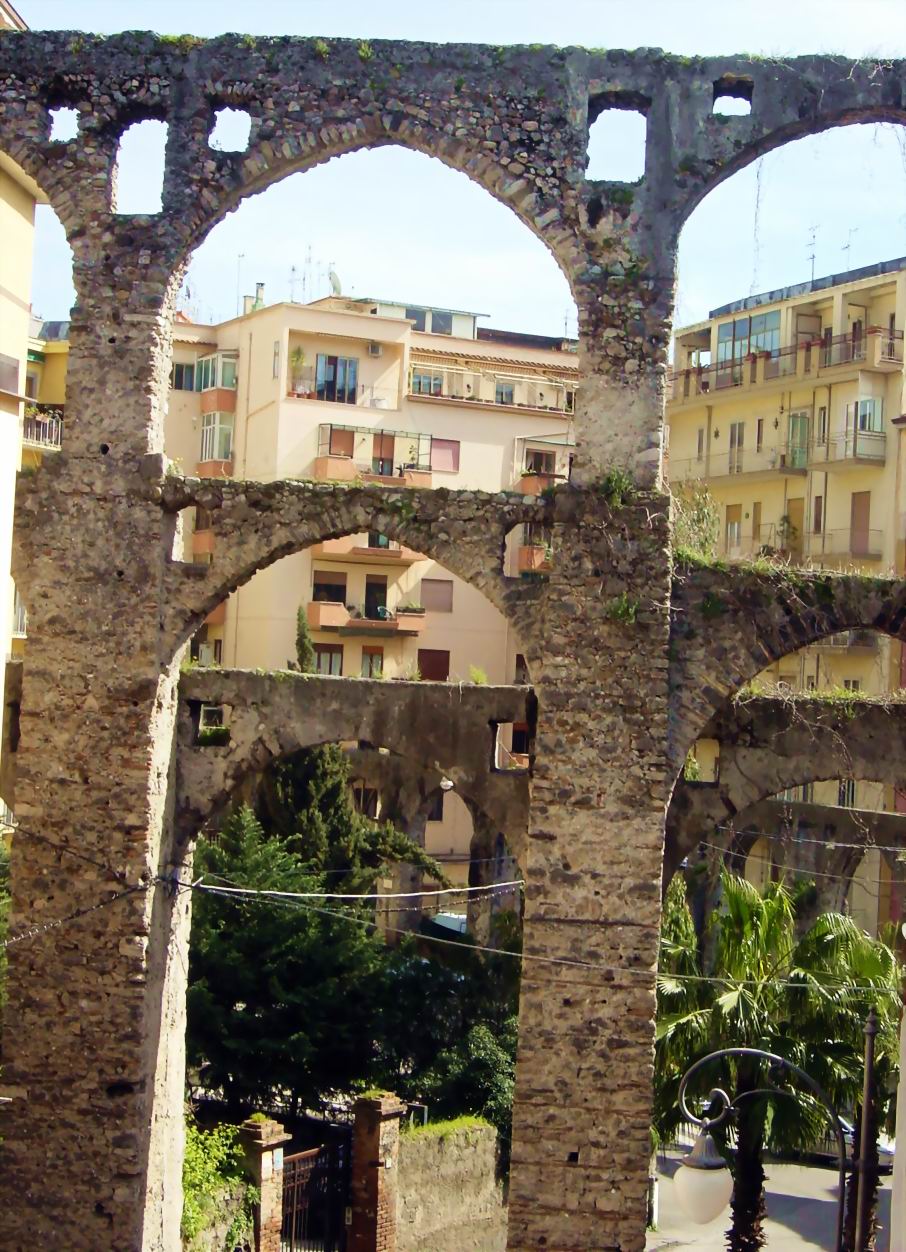
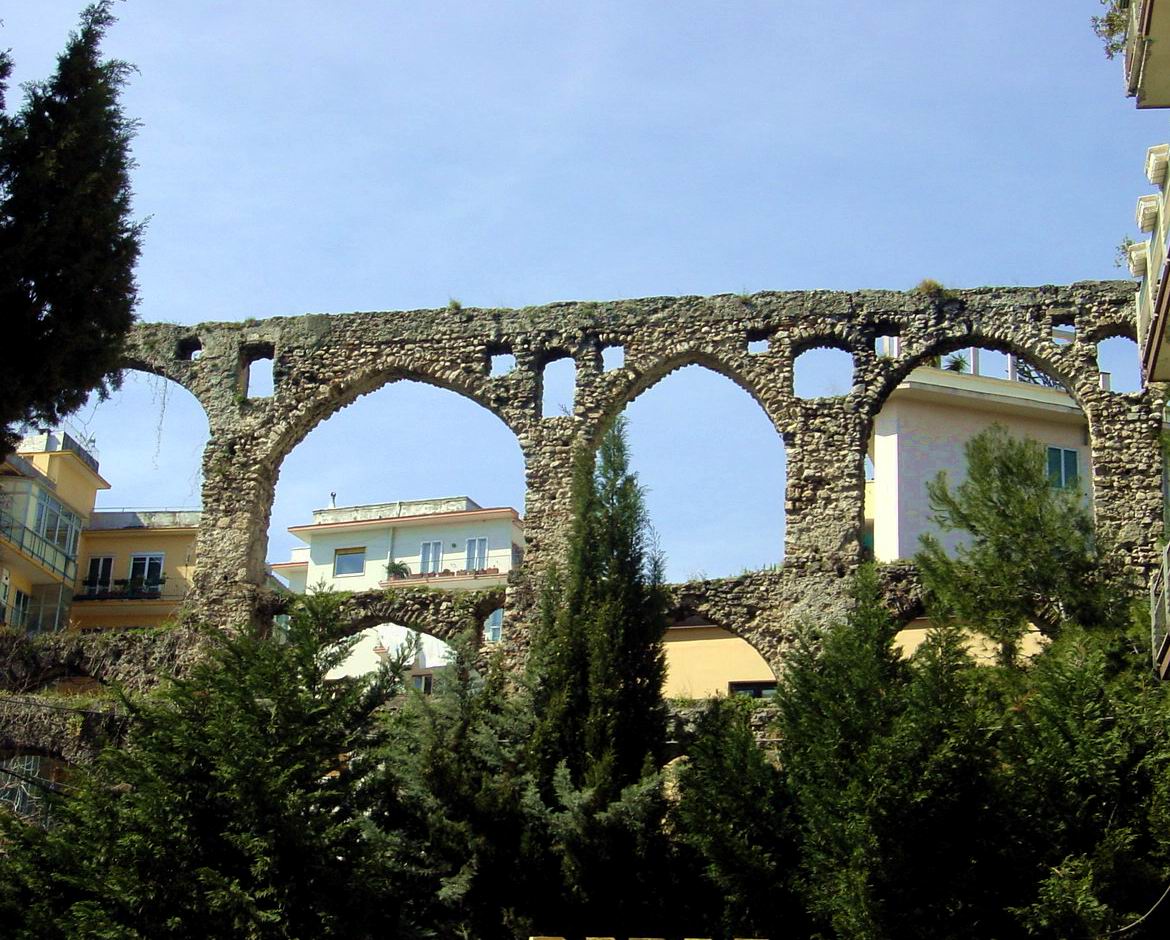
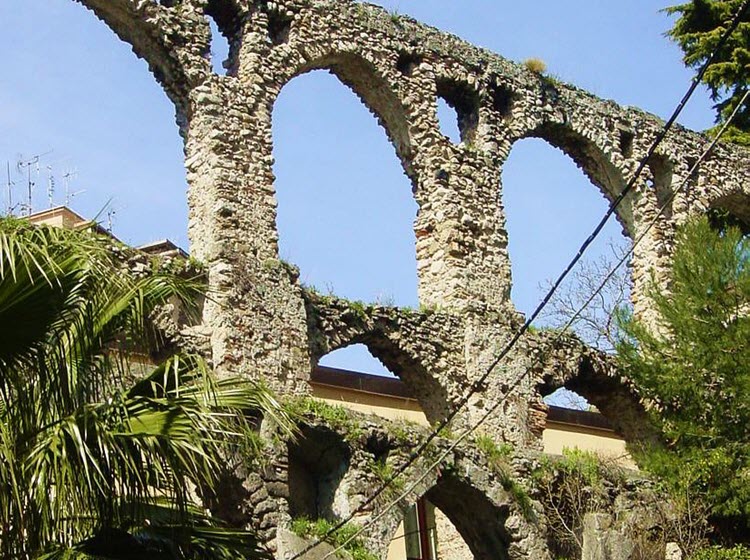
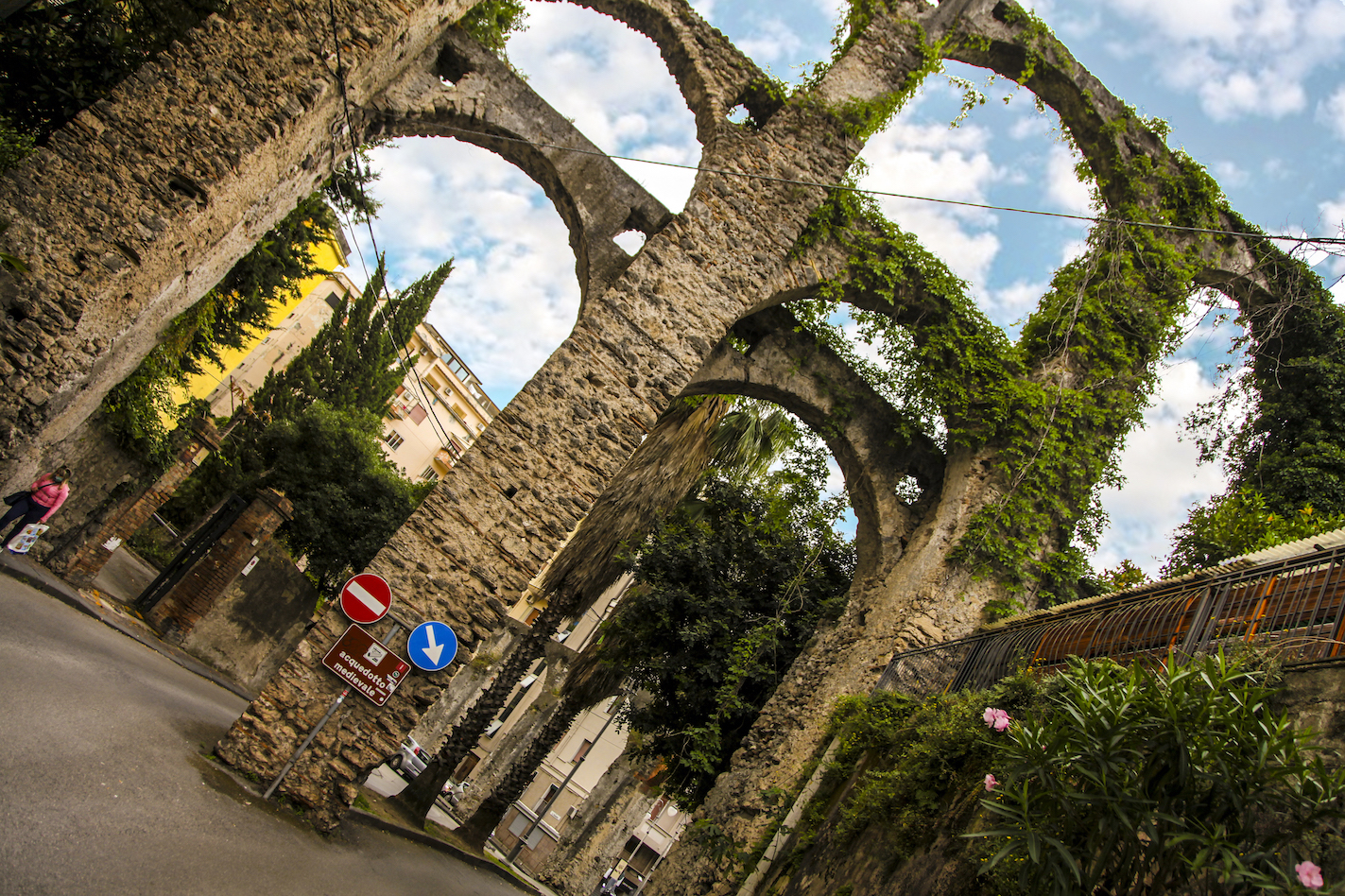
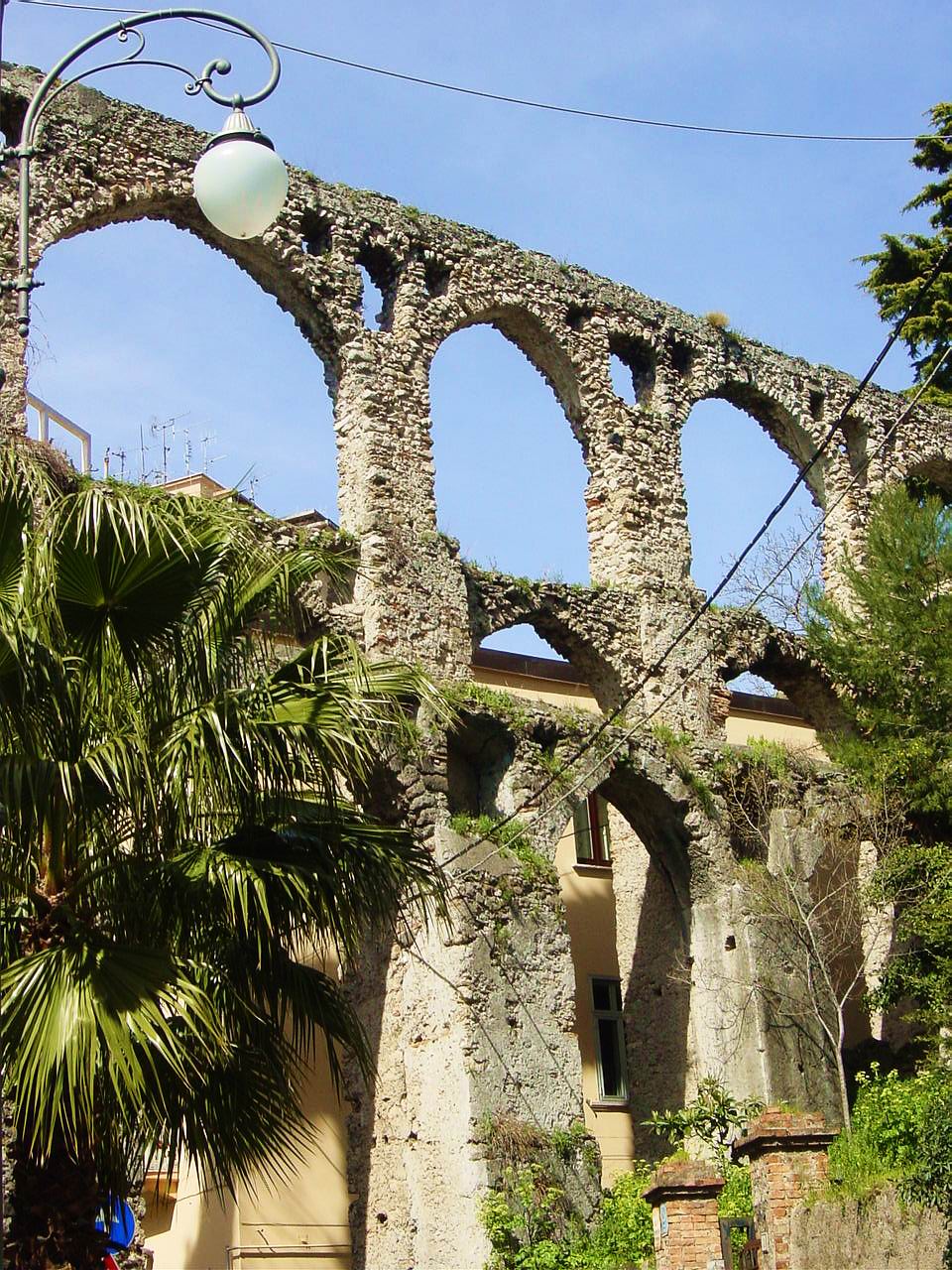
“The Devil’s Bridges” is the traditional name for the Medieval Aqueduct, whose arches are among the symbols of Salerno.
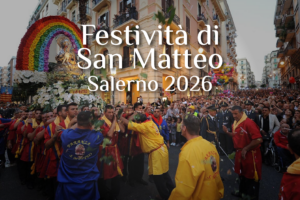 L'evento inizierà tra 167 giorniSan Matteo fest Free admission 21 Sep 2026
“The Devil’s Bridges” is the traditional name for the Medieval Aqueduct, whose arches are among the symbols of Salerno.
Here is a concise English translation suitable for your Salerno Cultura page:
Via Arce was once bordered by city walls and formed part of a fortified area that remained in use until the early Middle Ages. Near the present-day Via Velia flowed the Faustino (Rafastia) stream which, once dried up, caused the ground level to rise. These elevations were well suited to defensive operations against enemies attempting to enter the city from that side of the walls. The fortified complex, built on the plateau known as “della Torretta”, included the present-day districts of San Benedetto, Mutilati and Fieravecchia, up to the former Piazza Malta.
Today, along this street, you can see what remains of the majestic Medieval Aqueduct, which carried water from the hills north of the city to the Monastery of San Benedetto. The aqueduct bridge-channel was built in the 10th century by Benedictine monks. Tradition tells that this aqueduct, known as the “Devil’s Bridges”, was built in a single stormy night by the Salernitan magician Barliario, aided by evil forces.
At the end of Via Arce is Piazza Portarotese. On the eastern edge of ancient Salerno, this area once housed the gate of the same name, through which passed the road connecting the city with Sanseverino Rota (hence “Rotese”). In Roman times, near Portarotese, perhaps beside the present Church of the Sacro Monte dei Morti, stood the Circus. Today, no ancient monuments remain in the area, swept away by urban development.
In the upper part of Portarotese, beside the ancient eastern city walls, stretches the Sant’Eremita district. It takes its name from a cave carved into the hillside behind it, where Saint William once lived as a hermit after being welcomed in Salerno with great affection by Roger II, who wished to host the saint in the sumptuous Castel Terracena.
After the Roman period, many religious buildings were erected in this area, such as the Convent of Santa Maria della Consolazione, which incorporates an ancient church with a slender, small bell tower and played an important role in monastic life as the Provincial seat.
There is no news for this venue yet.
Always open
Nessun itinerario disponibile.
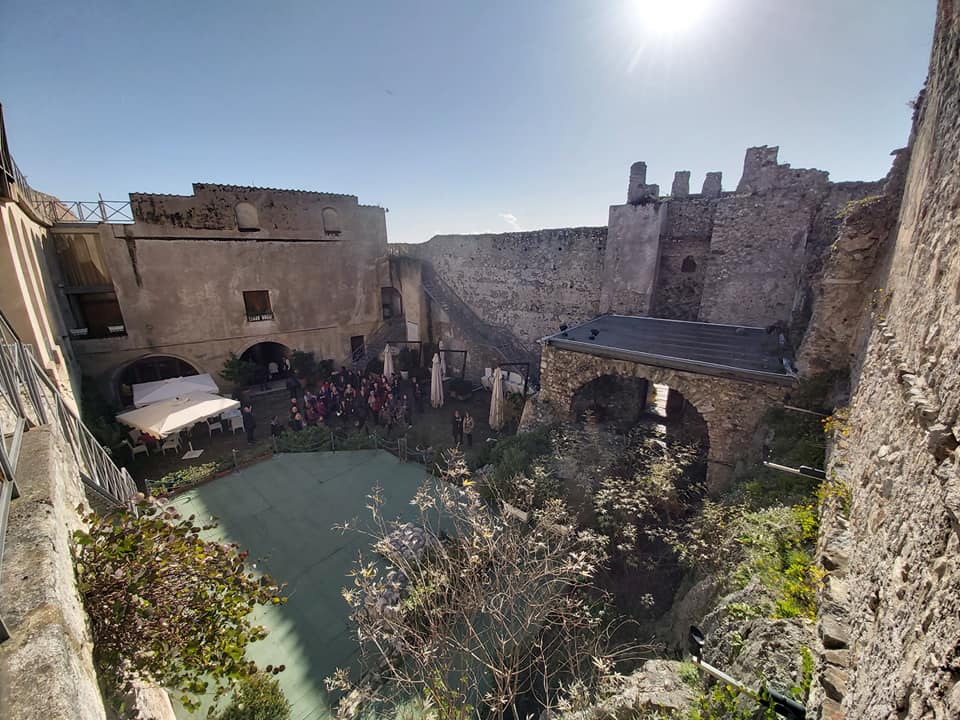 Arechi CastleArechi Castle dominates the city of Salerno from above and has been…
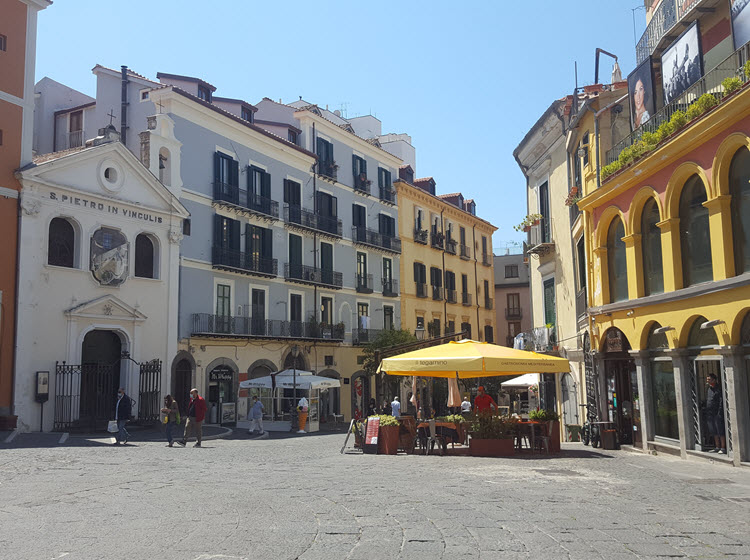 Portanova Square and the RotundaPortanova Square is the entrance to the Historic Center. The gate, rebuilt…
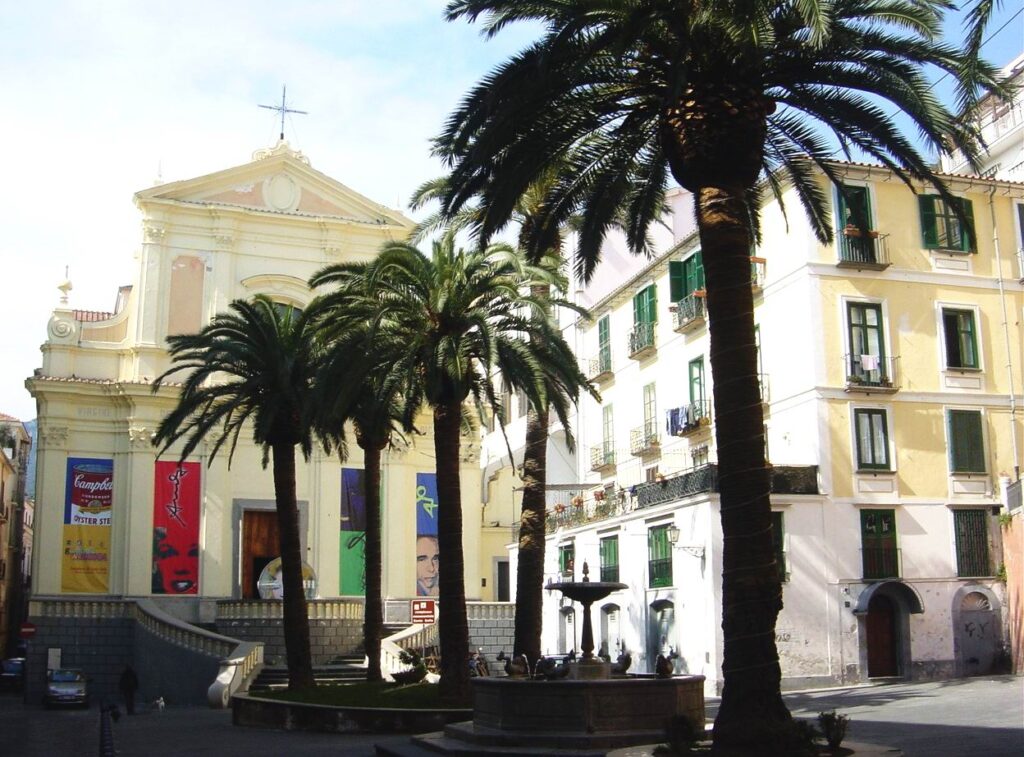 Abbot Conforti SquareAbate Conforti Square, the anti forum of the Roman city, is the…
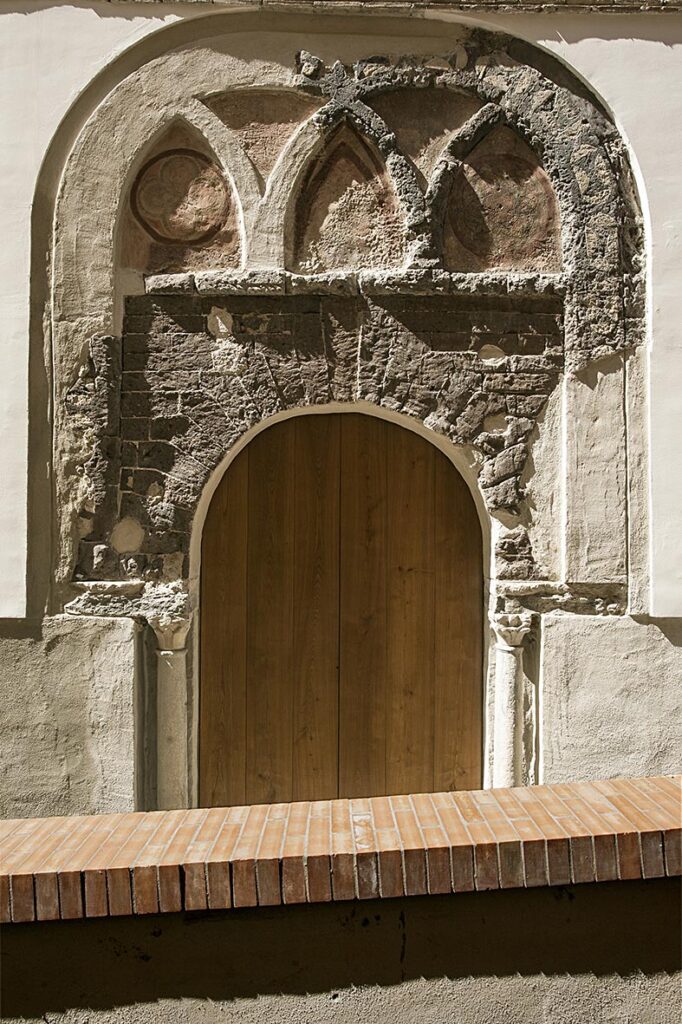 Fruscione PalaceAn excellent testament to the city's complex and layered past, Palazzo Fruscione…
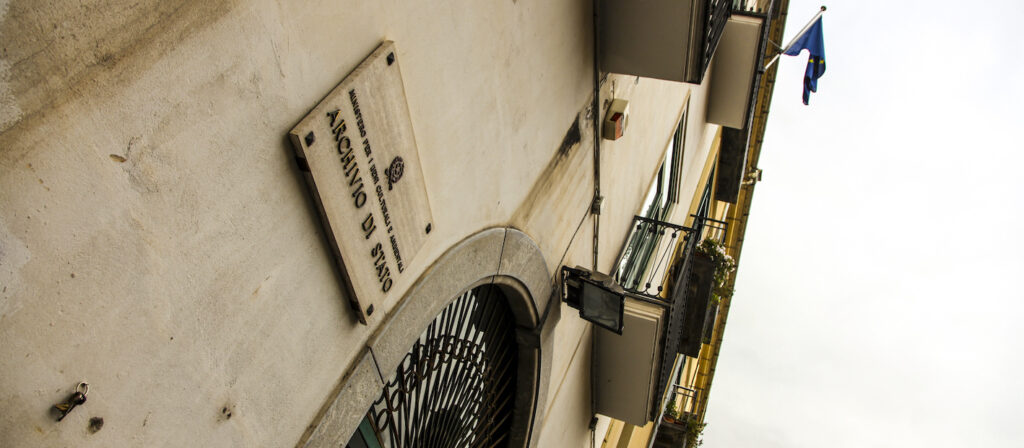 State ArchivesIn an ancient palace that was the seat of the Royal Hearing,…
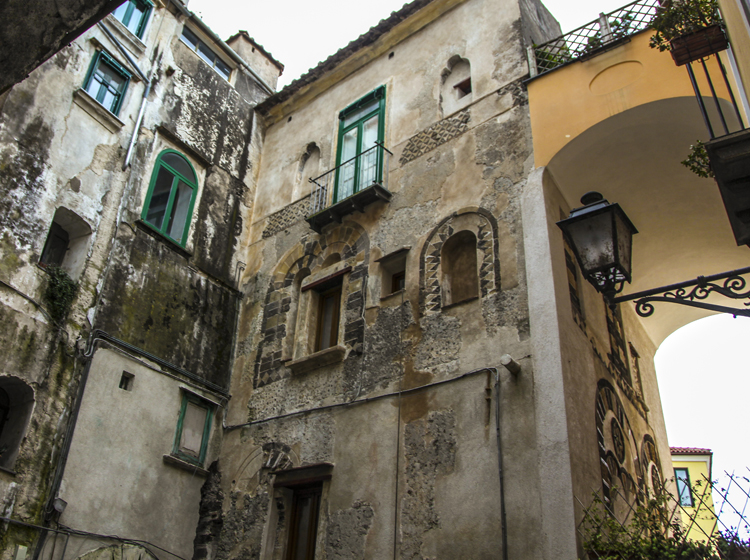 Terracena CastleCastel Terracena was the seat of Norman rule. Commissioned and built by…
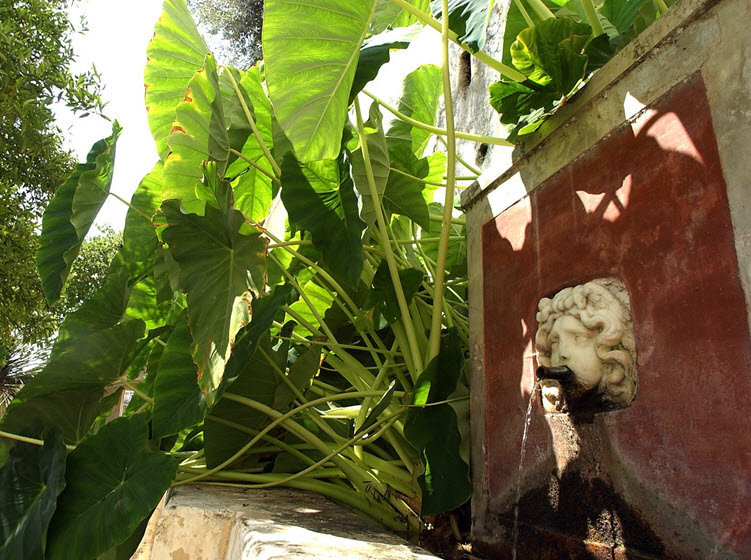 Villa AveniaVilla Avenia is named after its former owner, Dr. Saverio Avenia, a…
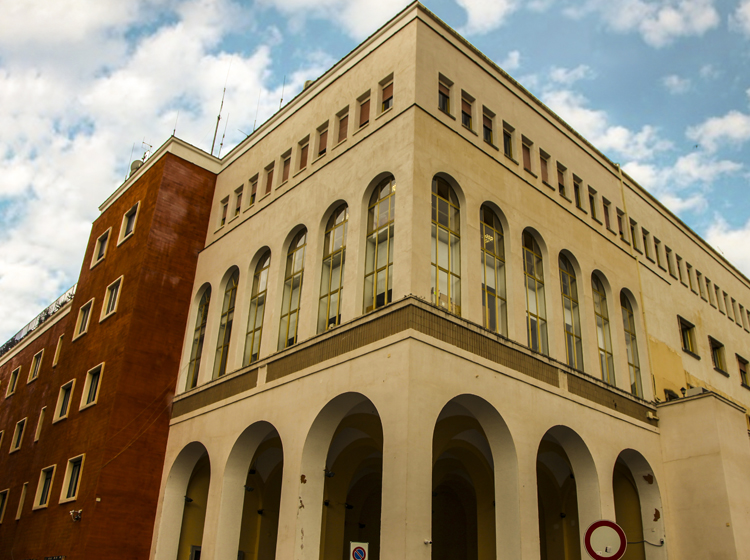 Government PalaceThe Government Palace represents the stylistic evolution of Fascist-era architecture, now far…