


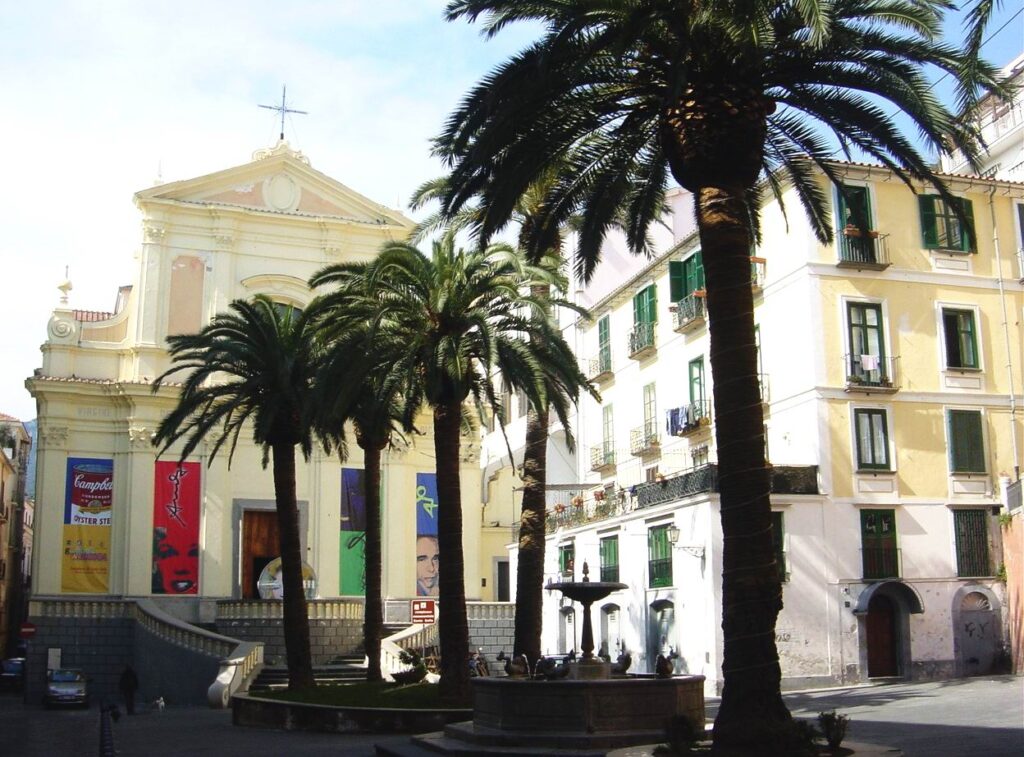
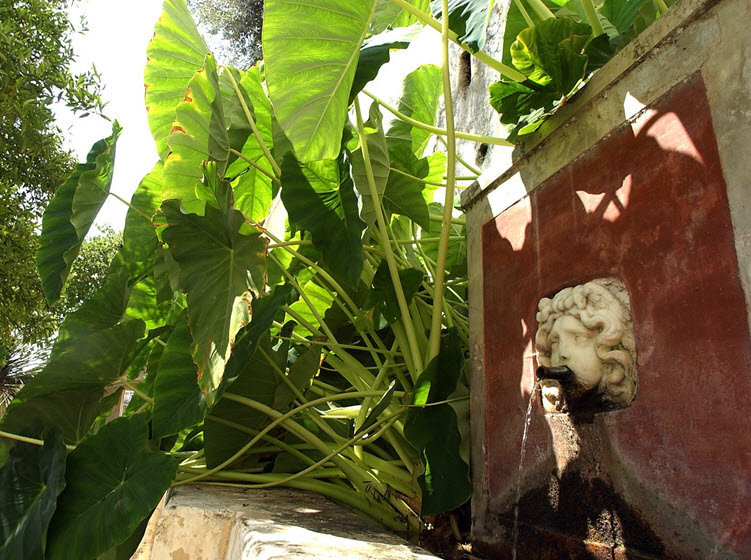
Largo Campo at the “center” of the Old Town, is a charming square, with the magnificent Genovese Palace as a backdrop and the dolphin fountain gracing one corner.
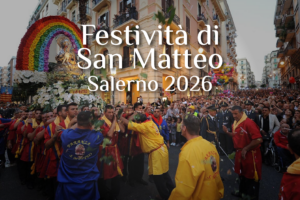 L'evento inizierà tra 167 giorniSan Matteo fest Free admission 21 Sep 2026
Largo Campo at the “center” of the Old Town, is a charming square, with the magnificent Genovese Palace as a backdrop and the dolphin fountain gracing one corner.
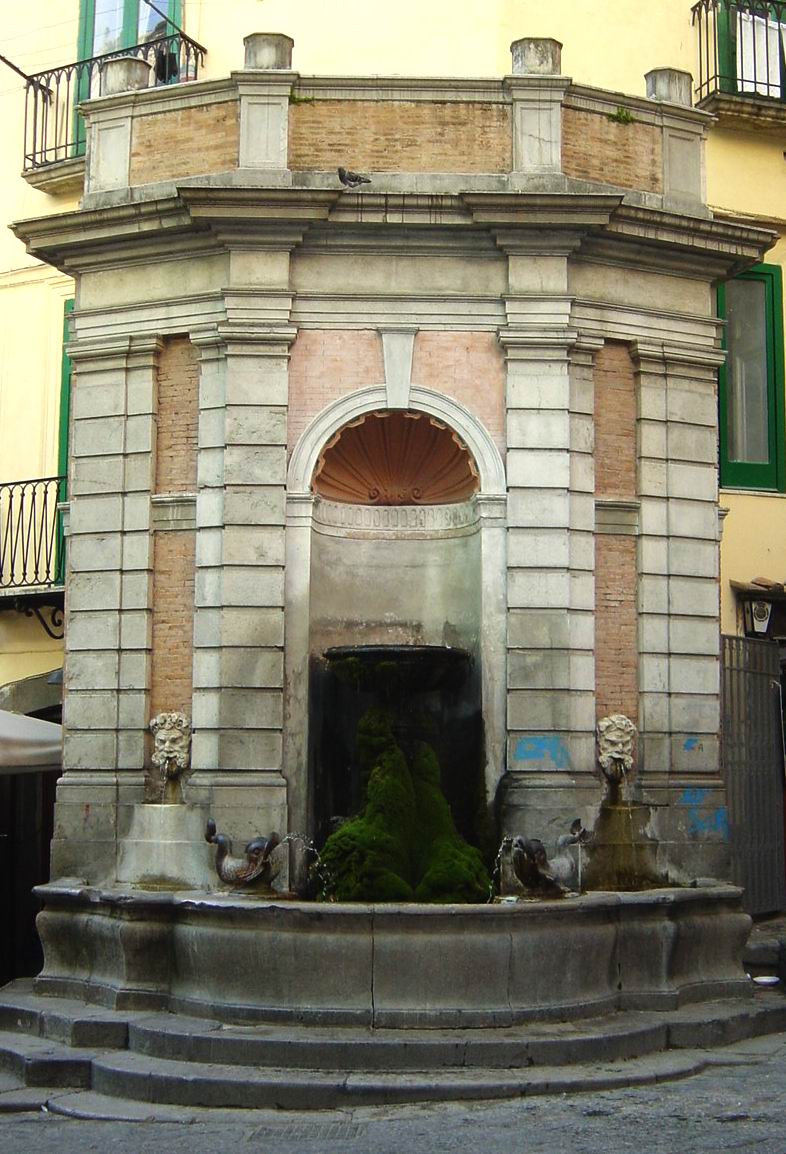
note, with the magnificent Genovese Palace serving as a backdrop and the dolphin fountain gracing one corner.
Piazza Sedile del Campo, “Largo Campo”for the people of Salerno, has been in the various eras of the town’s history the propelling center of all activity. Here in the very ancient “Campus grani” the Romans held the grain market, and here was where the saloon life of the ancient city took place, with the “bank”, “luxury stores,” “the gentlemen’s cafe,” the “ancient house jeweler” the “whimsical milliner” and the “progressive” bookstore.
Here, in the late Middle Ages, artisan guilds were empowered to voice grievances and debate in the presence of the seat’s notables.
At “Porta Rateprandi”, initially, important streets of the upper part of the ancient city intersected, but, later, with the opening of Porta Catena, the area up to “all’Arechi arch” was largely transformed. At the’height of the’ancient “Rateprandi gate”, is located the Church of S.Andrea de Lavina.Founded in 806, it has a Crypt adorned with precious frescoes, a medieval facade and an Arab bell tower.
The construction of the fountain, mistakenly attributed to Vanvitelli, displayed at the end of the Old Customs Street, with dolphins, goblet-shaped basin and grotesque masks, gushing with refreshing waters, dates back to 1600.
The Piazza del Campo is also overlooked by several aristocratic palaces, such as the Palazzo Bottiglieri, with its symmetrical design and magnificent tufa portal with characteristic head, and the Palazzo Genovese, of Baroque art, now the site of exhibition events.
Adjacent to the Piazza del Campo we find the vicolo delle Galesse. Once full of workshops of artisans who built gigs, the alley is remembered today because it was here that the poet Alfonso Gatto (1909- 1976) was born and spent his childhood and early youth.
The alley is also the site of the poet Alfonso Gatto (1909- 1976).
Proceeding from Largo Campo toward Porta Catena, one can enter the characteristic Fornelle district. Established around the ninth century, it is so named to commemorate the presence of pottery kilns implanted by the Vietresi. During the Principality, Amalfitans fleeing Saracen raiders were also housed here, which increased the development of kilns for firing pottery. Prior to the 1954 flood that mainly affected this neighborhood, the Fornelle’s originality lay in very narrow alleys with houses equipped with large terraces over courtyards.
Today the neighborhood is home to a street art project with murales that beautify it and are worth a careful visit.
There is no news for this venue yet.
| always open |
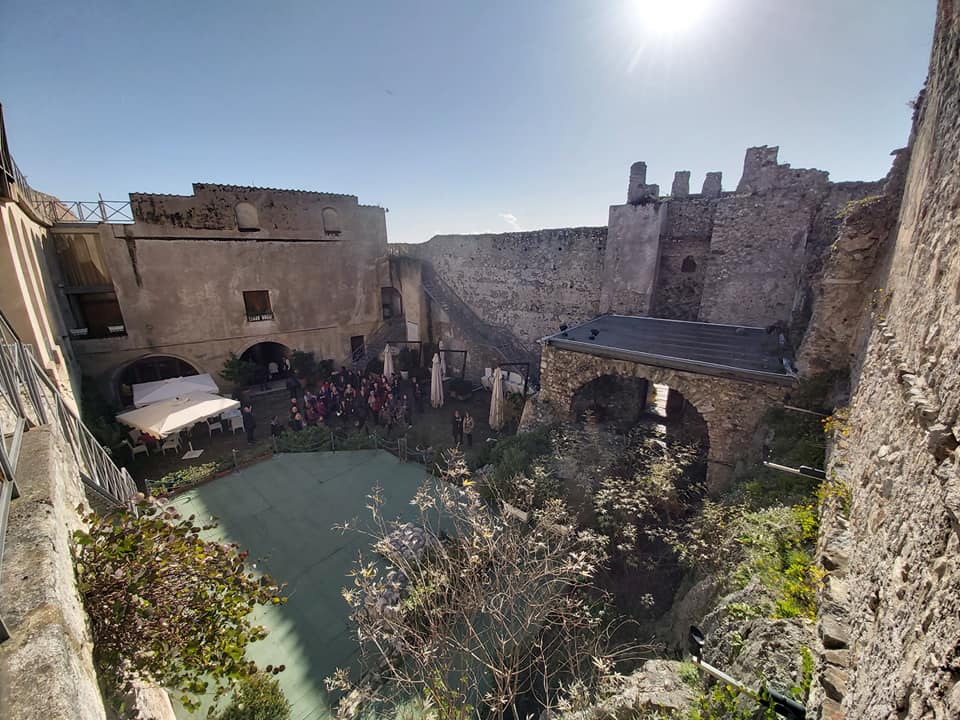 Arechi CastleArechi Castle dominates the city of Salerno from above and has been…
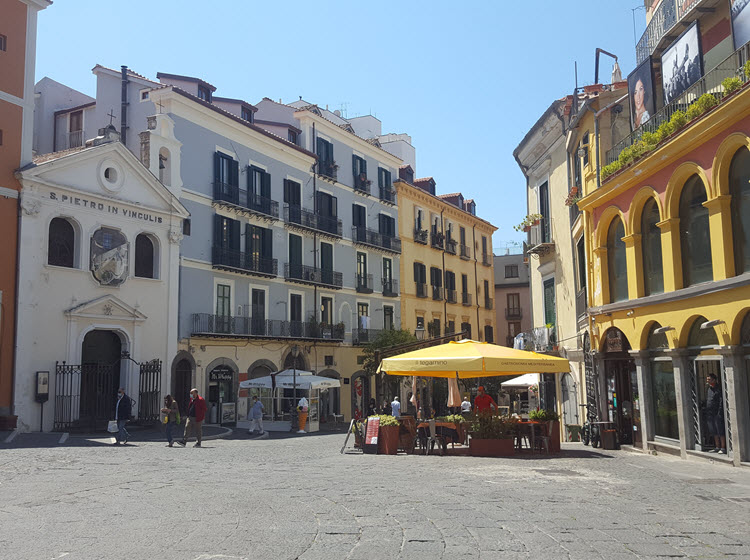 Portanova Square and the RotundaPortanova Square is the entrance to the Historic Center. The gate, rebuilt…
 Abbot Conforti SquareAbate Conforti Square, the anti forum of the Roman city, is the…
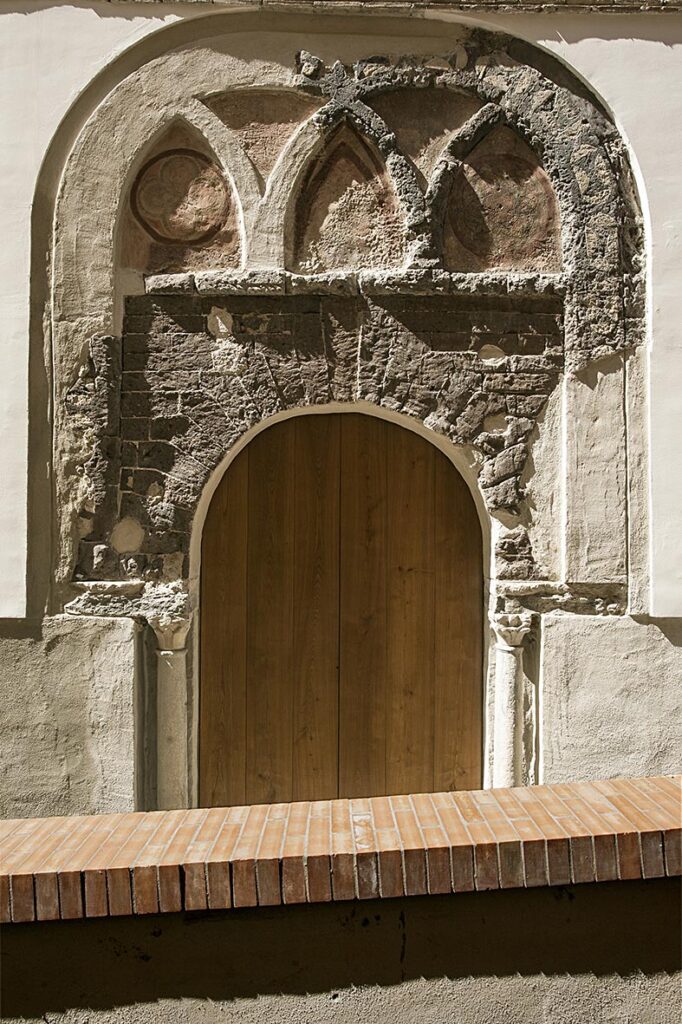 Fruscione PalaceAn excellent testament to the city's complex and layered past, Palazzo Fruscione…
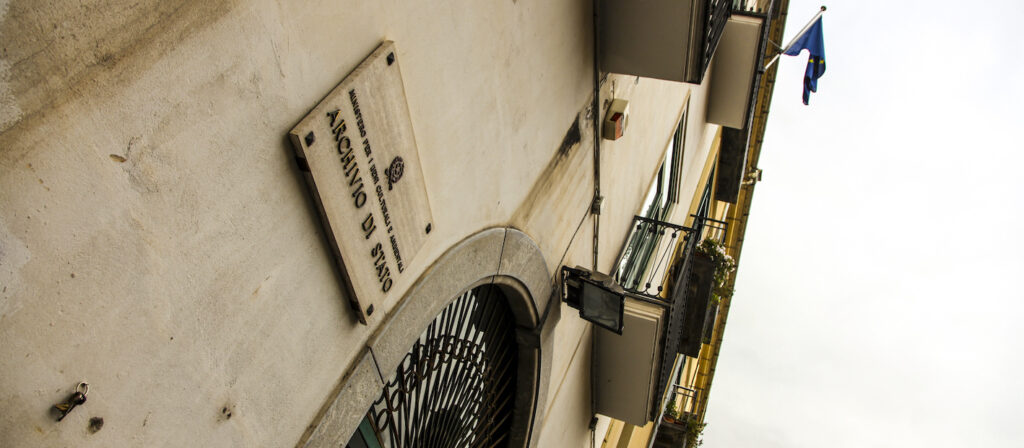 State ArchivesIn an ancient palace that was the seat of the Royal Hearing,…
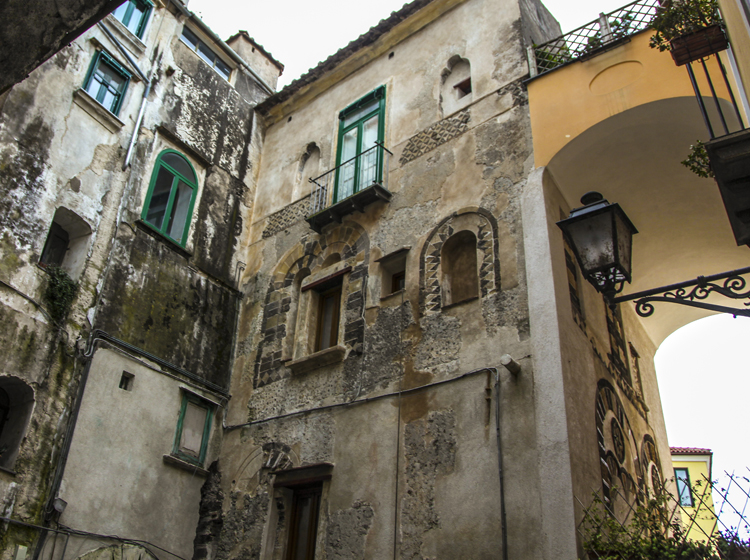 Terracena CastleCastel Terracena was the seat of Norman rule. Commissioned and built by…
 Villa AveniaVilla Avenia is named after its former owner, Dr. Saverio Avenia, a…
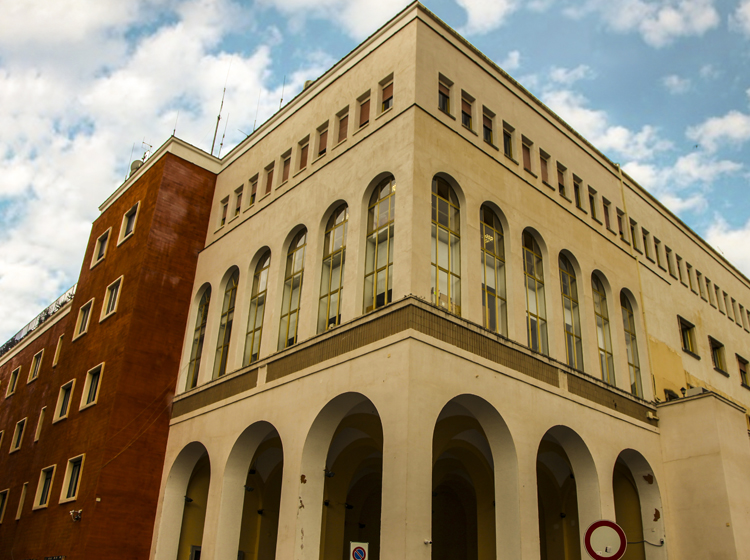 Government PalaceThe Government Palace represents the stylistic evolution of Fascist-era architecture, now far…