• Home
  • Explore places
    • Itinerary
    • Verdi Theater
      • Home Verdi Theater
      • The season
      • Ticket office
      • Guided Tours Verdi Theater
    • Cultural Venues and Theatres
    • Churches and Monasteries
    • Palaces and Squares
    • Museums and Archaeology
    • Gardens and Parks
    • Modern Architecture
  • Events
    • Find an Event
    • Artist Lights
    • Must‑see events in Salerno
    • Featured Events
    • Events L'evento inizierà tra 167 giorniSan Matteo fest Free admission 21 Sep 2026
  • News
  • Salerno
    • historicals Figures
    • History of Salerno
    • The city
    • Civic Museum
    • Food and Wine
    • Traditions
    • Context and surroundings
    • How to get there
    • Cruise Ships 2026
    • Move
    • Useful Links
    • Contact us
  • Projects
  • English
    • English
    • Italiano
    • Français
Salerno Cultura -
  • Home
  • Explore places
    • Itinerary
    • Verdi Theater
      • Home Verdi Theater
      • The season
      • Ticket office
      • Guided Tours Verdi Theater
    • Cultural Venues and Theatres
    • Churches and Monasteries
    • Palaces and Squares
    • Museums and Archaeology
    • Gardens and Parks
    • Modern Architecture
  • Events
    • Find an Event
    • Artist Lights
    • Must‑see events in Salerno
    • Featured Events
    • Events L'evento inizierà tra 167 giorniSan Matteo fest Free admission 21 Sep 2026
  • News
  • Salerno
    • historicals Figures
    • History of Salerno
    • The city
    • Civic Museum
    • Food and Wine
    • Traditions
    • Context and surroundings
    • How to get there
    • Cruise Ships 2026
    • Move
    • Useful Links
    • Contact us
  • Projects
  • English
    • English
    • Italiano
    • Français
Salerno Cultura -
  1. Home
  2. Explore places
  3. Museums and Archaeology
  4. Etruscan-sannitic archaeological area of Fratte

Etruscan-sannitic archaeological area of Fratte

The Etruscan-Sannitic necropolis of Fratte bears witness to the oldest past of the city of Salerno. The archaeological site recounts the origins of the earliest settlement, located on the banks of the Irno River and frequented from the 6th to the 3rd century BC.

Official website

  • Description
  • Event
  • News
  • Gallery
  • Contacts
  • Map
  • Opening hours
  • Itineraries

Descrizione estesa
Historical Background

The archaeological area of Fratte lies on the northern outskirts of the city of Salerno, in a location that favored control of the fertile valley of the Irno River’Irno and easy connections both to the south, toward the gulf and the Picentini mountains, and to the north, toward Capua and the Volturno area.

The first human settlements date back as early as 2300 B.C., attested by fragments and flint weapons found in the area. However, it is from the 6th century B.C.. that Fratte has been inhabited continuously, as evidenced by the remains of ancient buildings of Etruscan origin still visible today.

At the end of the fifth century B.C. the area is occupied by the Sannites, who remained there until the second half of the third century B.C., when the area was finally abandoned. Its reoccupation is recorded only when the area became part of the Roman colony of Salerno.


The archaeological area


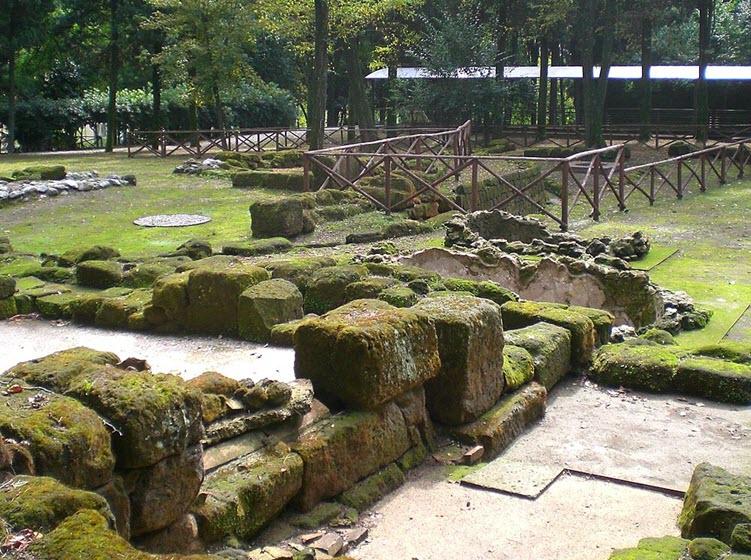
The archaeological area of Fratte, which covers about 4500 square meters,is bordered by walls and arranged as a park, leaving the most substantial remains of the structures found in view.

That the settlement was inhabited by Etruscan peoples between the 6th and 5th centuries B.C.is evidenced by a number of inscriptions and bucchero (shiny black pottery) artifacts found in the tombs. The discovery in the western part of the excavations of a cistern, settling tanks for clay, a kiln and structures of “industrial” type indicates to us that the settlement was an important place for the production of clay artifacts.

The settlement was an important place for the production of clay artifacts.

In the Fourth centuryol BC the Etruscan center suffered the Samnite invasion. From this period there have come to us the monumental remains of eight tombs visible on the western slope of the hill from which it has been possible to reconstruct much of the funerary equipment.

The archaeological area of Fratte presents itself today as a large green lung that makes it possible to combine the pleasure of walking in nature with the’love of ancient history. Materials found in excavations at the site are on display at the Provincial Archaeological Museum of Salerno. An in-depth and fascinating journey into the world of the ‘frontier’ Etruscans is possible by visiting the National Archaeological Museum of Pontecagnano.


To be discovered


  • Chamber Tombs
  • .

Chamber tombs feature a structure built into the rock, the interior space of which, the chamber in fact, served to house the graves of the deceased and those of his family and to show a higher rank. The tombs feature burial beds equipped with a pillow, with a triangular or cylindrical cross-section.

  • The cistern

Moving toward the western part of the settlement, one encounters a cistern surrounded by clay settling tanks, a kiln, wells and canals, and paved areas.

In fact, clay was worked in this area between the 6th and 5th centuries BC, as confirmed by the discovery of numerous molds and processing waste.


To Know


  • The Etruscans in Campania
  • .

In their heyday, the Etruscans came to lap southern Italy, and the Salerno area formed their southern border. The site of Fratte, according to some scholars called Irna,and that of nearby Pontecagnano (Picentia),were two important outposts of the Etruscan civilization in Campania. These “frontier” centers, open to different peoples and cultures, thanks to trade and exchange were very rich, as denoted by the large quantity of objects found in the necropolis tombs, now on display in the Salerno Provincial Archaeological Museum and the National Archaeological Museum in Pontecagnano.

  • Etruscan pottery
  • .

Bucchero is a type of black, shiny pottery, often fine and very light, produced by the Etruscans, particularly in the centers of Tarquinia and Cerveteri (Latium). The black color was obtained by a special process of “reduction,” that is, using smoke from a flame that transformed the red oxide contained in the clay into black oxide.

Loading…

There is no news for this venue yet.

Phone
+39 089 481014

Email
museibiblioteche@provincia.salerno.it

Web Site

it-it.facebook.com

Open in Maps

Orari di apertura
Monday not accessible
Tuesday not accessible
Wednesday not accessible
Thursday not accessible
Friday 09:00 – : : – 15:00
Saturday 09:00 – : : – 15:00
Sunday 09:00 – : : – 14:00
Cost: free


ITINERARI
  • Ancient Salerno: between Etruscan and Romans
Releted contents
Provincial Archaeological MuseumSalerno's Provincial Archaeological Museum is a must-see for anyone who wants to…
Diocesan Museum St. MatthewThe Diocesan Museum 'San Matteo' preserves one of the richest cultural heritages…
Provincial Art GalleryThe Pinacoteca Provinciale houses one of the most important art collections in…
Minerva GardenMinerva's Garden is a beautiful green oasis in the heart of the…
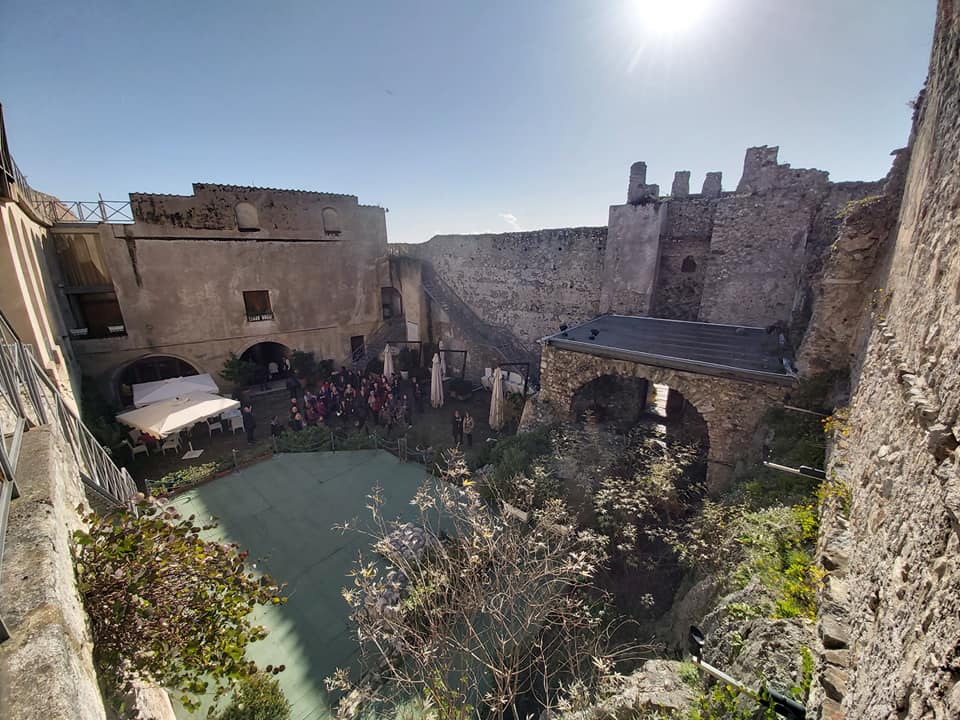
Arechi CastleArechi Castle dominates the city of Salerno from above and has been…
Creative City MuseumThe Creative City Museum was created to highlight the past and present…
Virtual Museum Salerno Medical SchoolThe Virtual Museum of the Salerno Medical School tells the story of…
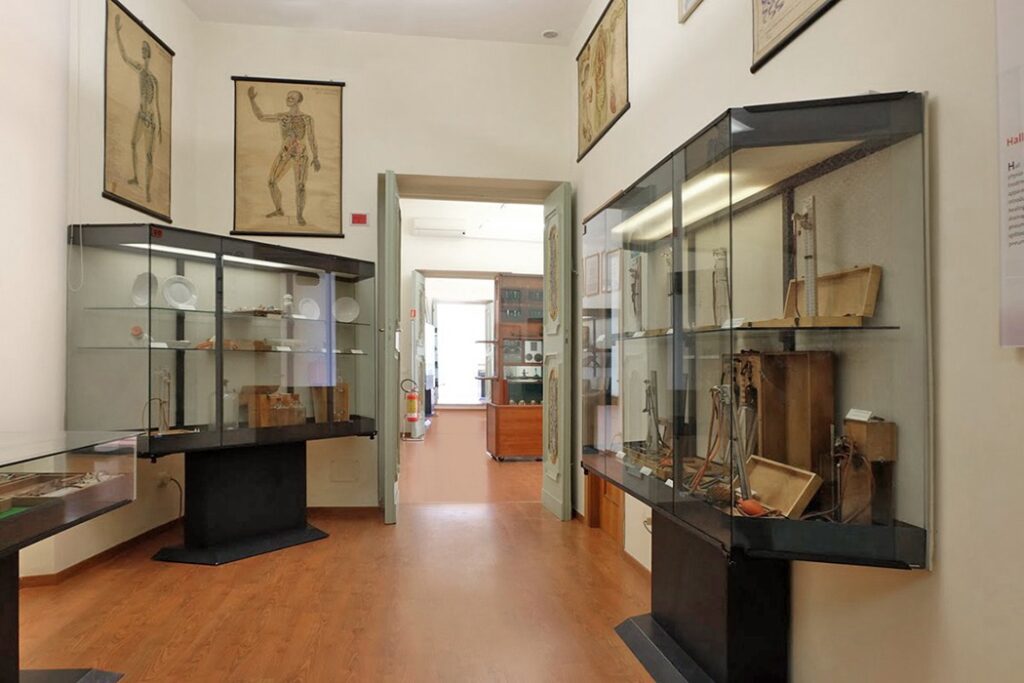
Roberto Papi MuseumThe 'Roberto Papi' Medical-Surgical Museum is a truly unique place. Located in…

Comune di Salerno
Via Roma – Palazzo di Città, 84121 Salerno
C.F. 80000330656 P.IVA 00263650657
Email: cultura@comune.salerno.it

Esplora Luoghi

  • Itinerari
  • Teatri e Spazi Culturali
  • Architettura Moderna
  • Musei e Archeologia
  • Palazzi e Piazze
  • Chiese e Monasteri
  • Giardini e Parchi

Eventi

  • Teatro
  • Concerti
  • Danza
  • Fiere
  • Manifestazioni
  • Mostre
  • Musica
  • Opera
  • Prosa
  • Rassegne

Salerno

  • Personaggi
  • Museo civico
  • Navi da Crociera 2025
  • Come Arrivare
  • Muoversi
  • Contesto e dintorni
  • Media Gallery
  • Progetti
  • Link Utili
  • Contattaci

© 2026 Comune di Salerno – Tutti i diritti riservati

  • Credits
  • Privacy Policy
  • Cookie Policy