


The Convent of St. Nicholas of the Palm is one of the oldest monasteries in the city of Salerno, overlooking from the top of its large terrace overlooking the sea.
 L'evento inizierà tra 167 giorniSan Matteo fest Free admission 21 Sep 2026
The Convent of St. Nicholas of the Palm is one of the oldest monasteries in the city of Salerno, overlooking from the top of its large terrace overlooking the sea.
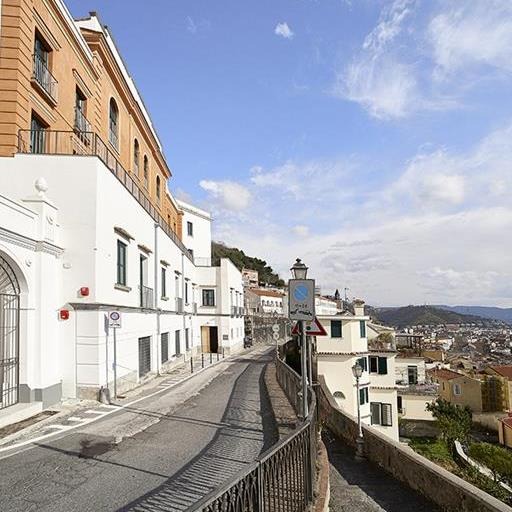
The monastery dedicated to St. Nicholas of the Palm was founded in the second half of the XI century in an area that in medieval times was called Plaium montis, at the foot of Monte Bonadies, where the Castle Arechi stands.
.
The church, later flanked by the monastic complex, was built around 1061 at the behest of Leo I, Benedictine abbot of the Holy Trinity of Cava dei Tirreni, and the Salerno nobleman Lucio Vivo Giovanni.
Hence, its birth is an expression of the interests of the Lombard aristocracy and one of the main abbeys of southern Italy, who chose to build the monastery in an area renowned for its fertility and the presence of numerous waterways.
The abundance of water resources played a key role in the history of St. Nicholas. The presence of a spring near the monastery, recorded in documents as “Fonte della Palma” (aqua que dicitur de Palma),is associated with the construction of a balneum, a thermal facility discovered during recent restoration work on the complex. The presence of the thermal bath underscores the’importance to the city of Salerno of the ancient Benedictine convent, probably one of the few to offer this curative and spiritual opportunity in medieval times.
The therapeutic use of the water also suggests a possible link of the monastery of St. Nicholas with the Salerno Medical School, confirmed by the presence of the nearby Giardino della Minerva, built by physician Matteo Silvatico in the 12th century, where medicinal herbs were cultivated for centuries.
The Benedictine phase of the monastery ended in the early years of the XV century, when the convent was occupied by Franciscan friars but without losing its important welfare function, which saw it welcome religious from the entire province.
St. Nicholas’ prominent role in the cityscape is evidenced by historical documents that attest to the rich artistic heritage and sacred furnishings in the church and convent in the late 18th century. During the 19th century, the convent was converted into a boys’ orphanage. The’building was severely damaged by the 1954 flood and the 1980 earthquake, and then became the property of the Municipality of Salerno, which restored and redeveloped the entire structure in 2013.
The convent of St. Nicholas rises four stories along the hillside, in a dominant and panoramic position overlooking the Gulf of Salerno.
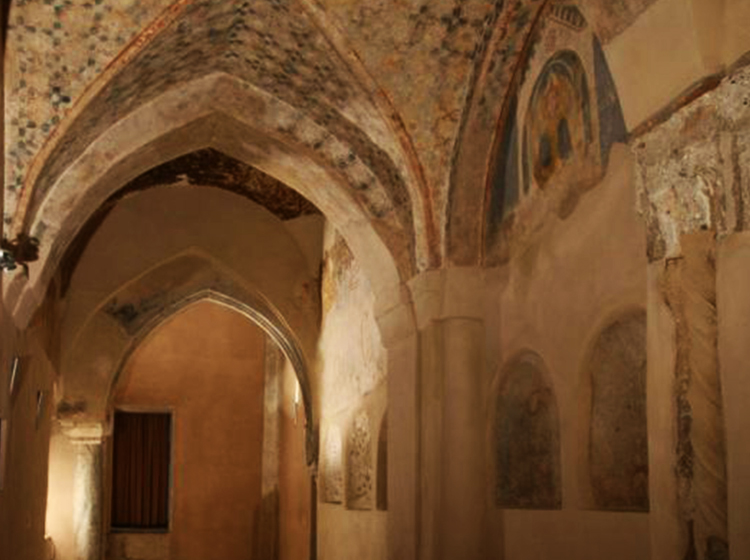
Despite the transformations it has undergone over the centuries, skillful architectural restoration work has managed to maintain the charm of the original convent building. Traces of the ancient structure remain in the courtyard on the second floor, bordered by arcades with cross vaults whose pillars incorporate the original columns with Corinthian-style capitals.
The balneum, discovered in the central area of the building during restoration work, is a monument of inestimable importance because it represents one of the few and oldest evidence of such structures in medieval Mezzogiorno.
The thermal area, still visible today, consists of three rooms arranged in sequence with two pools and a sauna carved into the rock. The cold room(frigidarium)is open to the north in direct contact with the rock, from which cold water continuously exudes and is collected and channeled into a basin.
Il monastero di San Nicola è unito a quello vicino di San Lorenzo, thanks to a passageway added in the 19th century, when both buildings were used as orphanages.
Today the convent is home to the EBRIS Foundation, a biomedical research center established in 2012 through an initiative of the Salerno Medical School Foundation and Harvard Medical School.
Although the life of the monastery has now ended, the medical tradition is still alive thanks to the research carried out by the foundation, which is involved in its enhancement by periodically hosting cultural events and contemporary art exhibitions.
.
Archaeological investigations conducted in the monastic complex have revealed a Late Roman Age building, which had a large terrace upstream of the present monastery, and a structure connected to a courtyard area that constituted a thermal complex. The latter, characterized by L-shaped rooms arranged around the courtyard, shows similarities with Late Imperial Age buildings found in the Eastern Mediterranean area.
.
In medieval times, the act of washing took on a religious and moral dimension as it symbolically represented purification from sin before approaching sacred places or liturgical celebrations. But not only that: the use of the balneum also had therapeutic purposes. Especially in the Benedictine Rule, the attendance of balnea was strongly recommended for infirm monks.
.
As a dependent of the Abbey of Cava de’ Tirreni, the monastic community of St. Nicholas was led by a monk, the prior, in direct relationship with the abbot of Holy Trinity. In addition to disciplining and guiding the brethren, in accordance with the abbot’s directives, the cleric was responsible for the expansion, consolidation and defense of the monastic heritage.
.
The Benedictine community acquired and managed land and real estate in the immediate vicinity of the monastery, where it owned, for example, part of a house with an oven and plots with vines and chestnut trees. For their cultivation, the monastery turned to tenants who kept the land for a more or less long period of time, against a commitment to cultivate it and to pay an annual census in coin or in kind.
There is no news for this venue yet.
| Monday | visitable by reservation | |
| Tuesday | visitable by reservation | |
| Wednesday | visitable by reservation | |
| Thursday | visitable by reservation | |
| Friday | visitable by reservation | |
| Saturday | visitable by reservation | |
| Sunday | not accessible |
Cost: Free
.
The convent can be visited by reservation
.
Social Network
Facebook: facebook.com/ebrisfoundation
Instagram: instagram.com/foundation_ebris
Nessun itinerario disponibile.
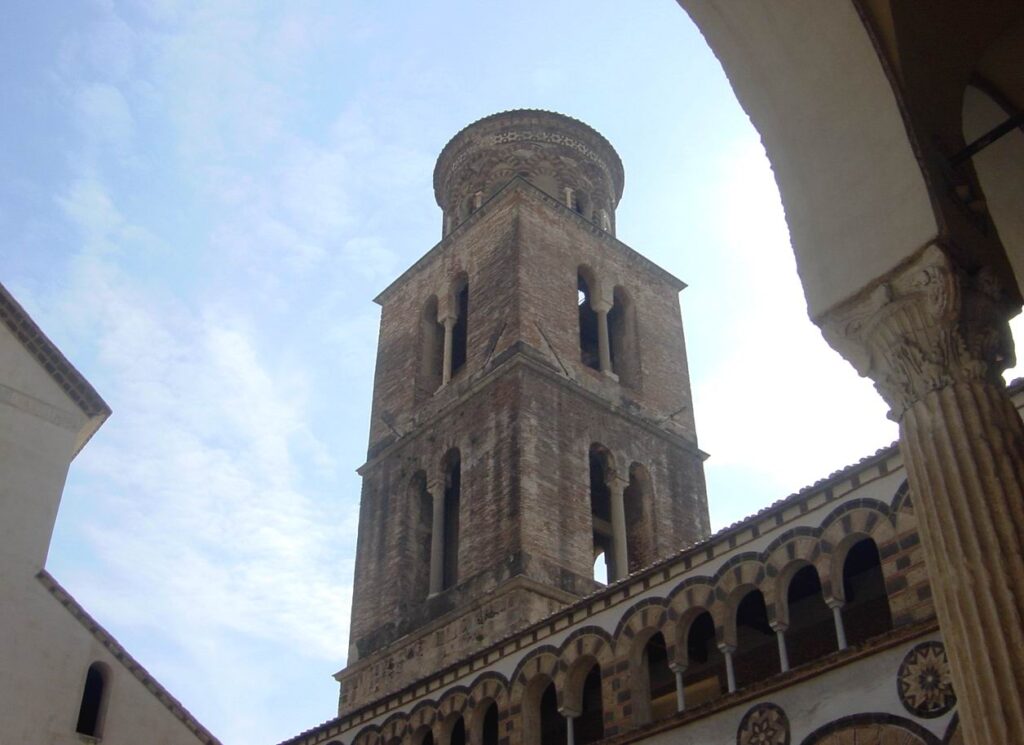 Cathedral of St. Matthew – Salerno CathedralSalerno's most important monument, containing the most precious relics of the body…
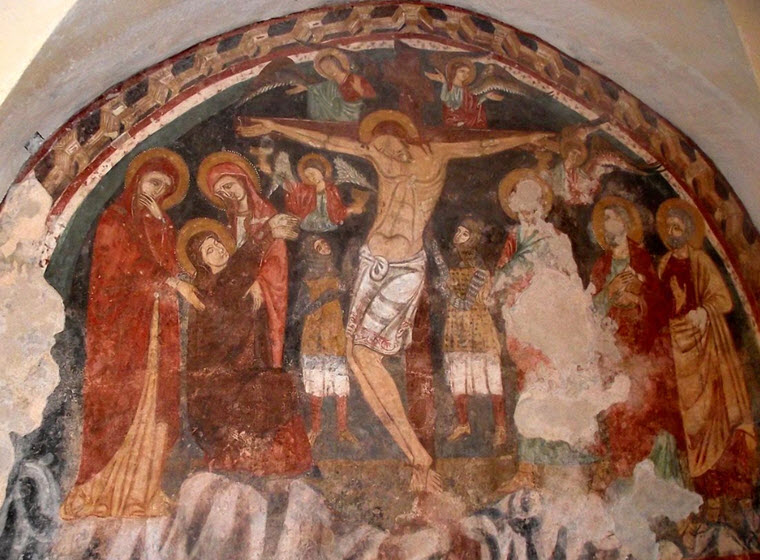 Church of the Most Holy CrucifixA church with an anonymous facade, but very beautiful inside, full of…
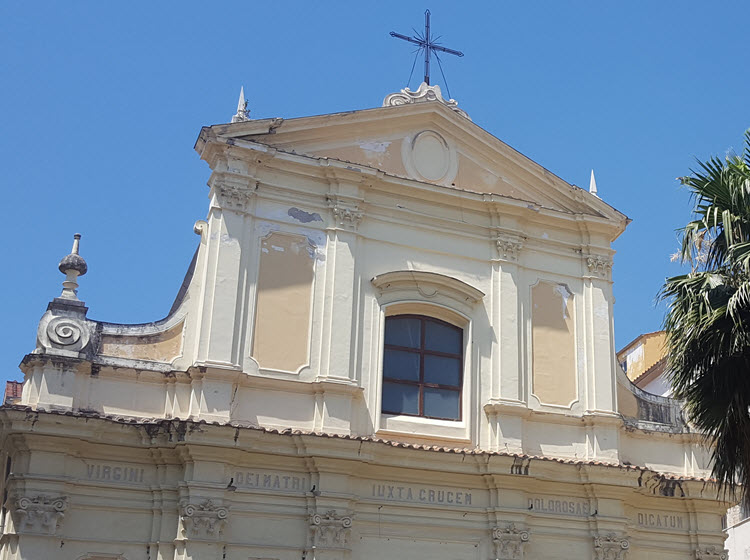 St. Sophia Complex and Church of Our Lady of SorrowsOn the site where the ancient Roman Forum probably stood, a scenic…
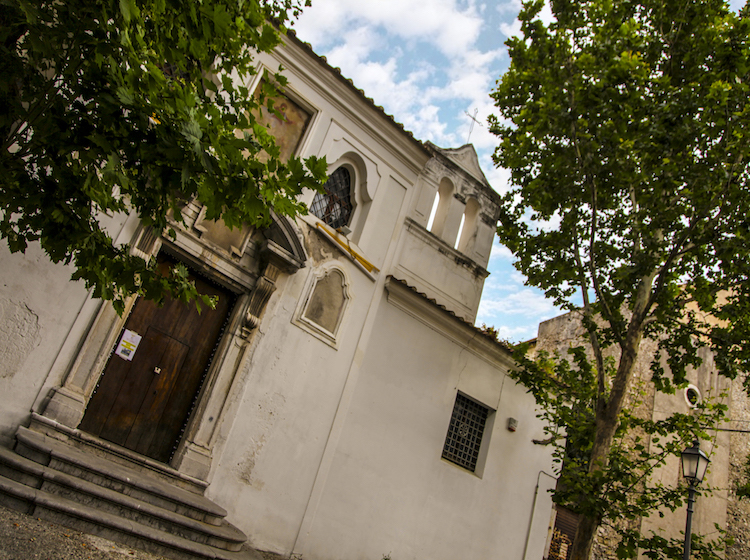 Among the churches in the historic centerEnchanting and evocative is the itinerary that sees the ancient churches of…
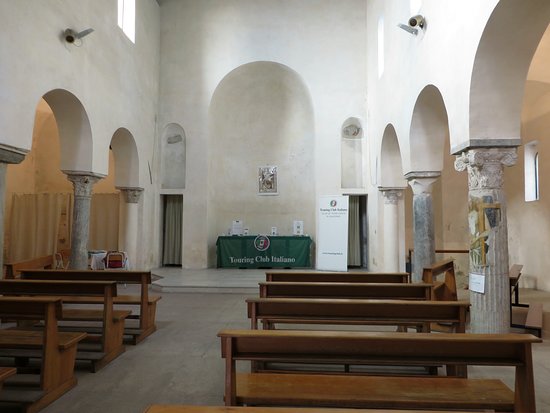 Church of S. Maria de LamaAncient Lombard frescoes are the unique and exceptional merit of this beautiful…
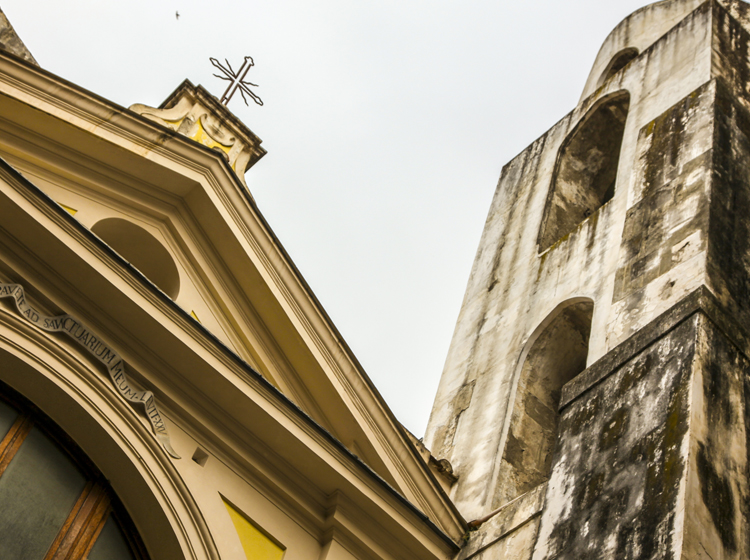 Church of St. Andrew de LavinaA very old church, built on three levels from the 9th to…
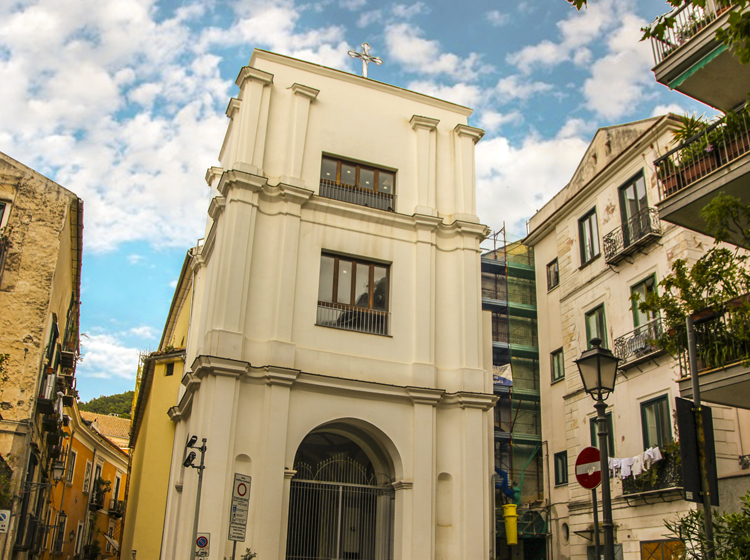 Church of St. Michael the Archangel and St. StephenThe ancient church dedicated to St. Michael, a saint for whom the…
 Chapel of St. LudwigA beautiful Gothic fresco graces the Chapel of St. Ludwig on the…