1) the Lombard paintings
.
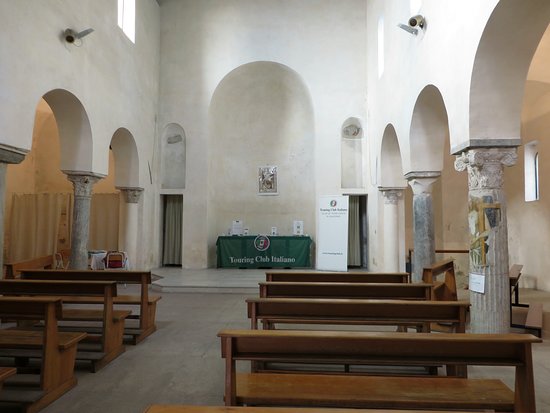
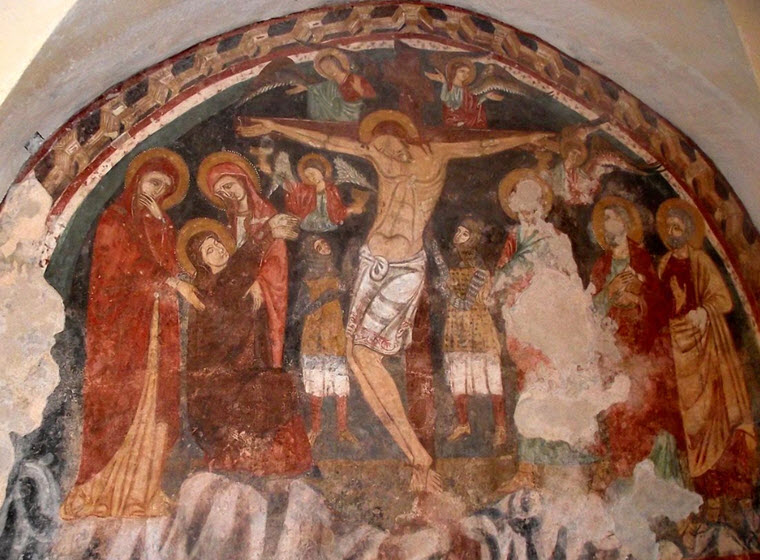
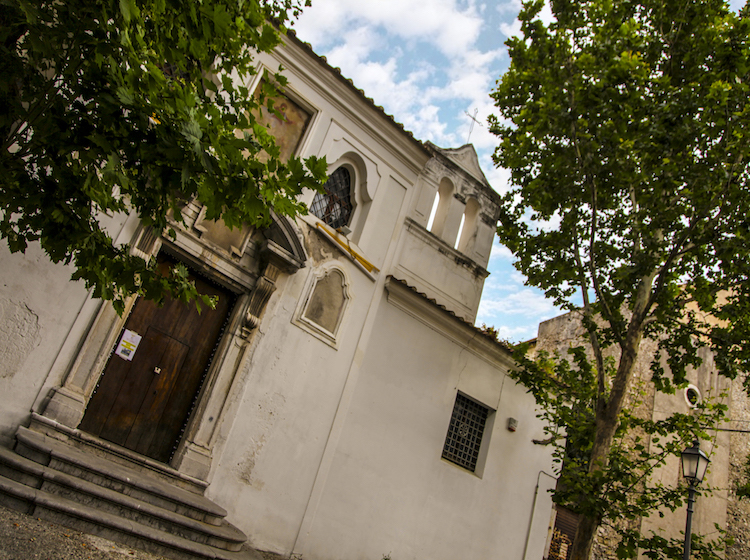
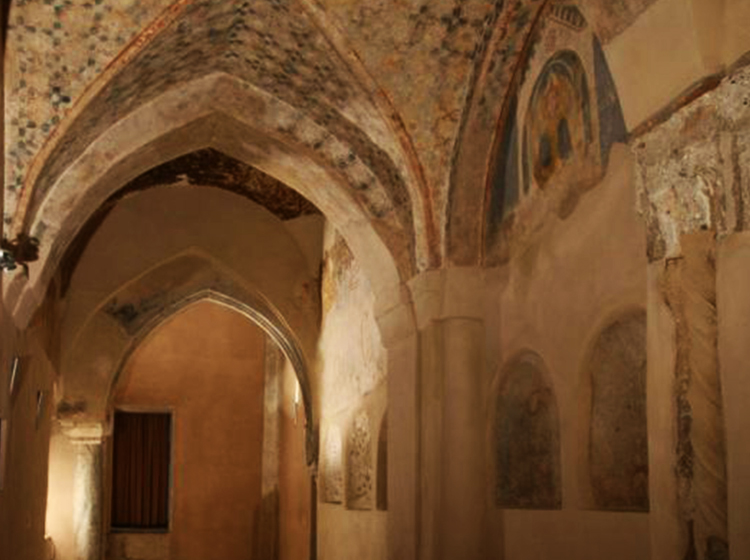
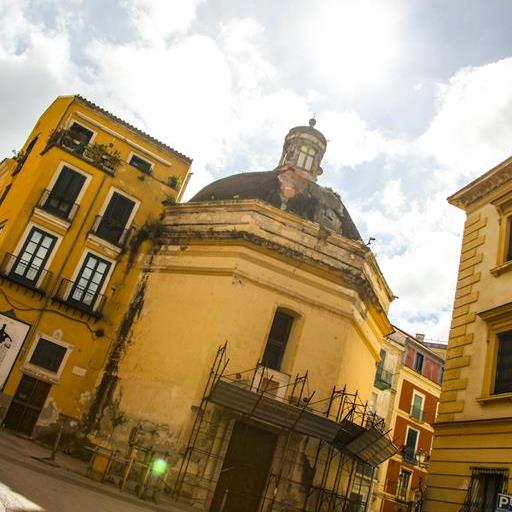
Santa Maria de Lama preserves the only evidence of Longobard painting in Salerno. It originated as a Longobard cult building in the 11th century structured on two levels. The hypogeum, which is the original church presents itself as an east-facing church with small columns and a series of frescoes of saints on the walls. These frescoes are from different eras, also testifying to a renovation of the church at different times. Among the oldest paintings are recognizable a St. Andrew and a St. Bartholomew of fine workmanship given its antiquity. The renovation of the church probably in the 13th century was done in connection with the upper church, whose new orientation and three-aisled structureis preserved.The frescoes belonging to this new phase are of a number of other saints, including a St. Lawrence and a St. Radegonda.
2) The upper level
.
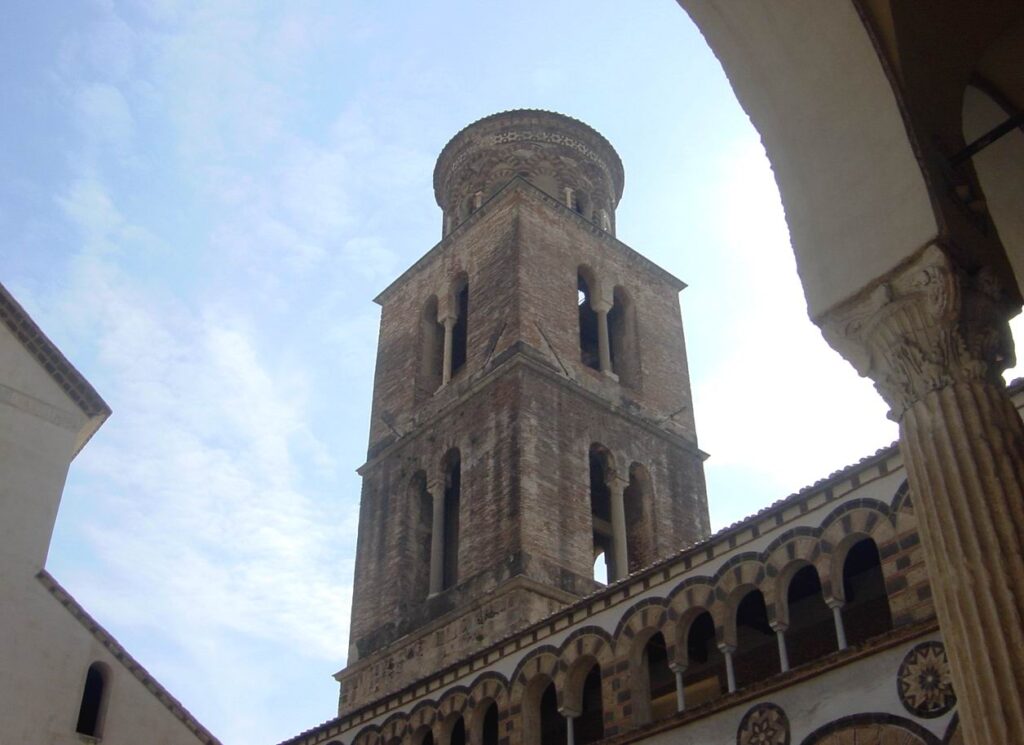
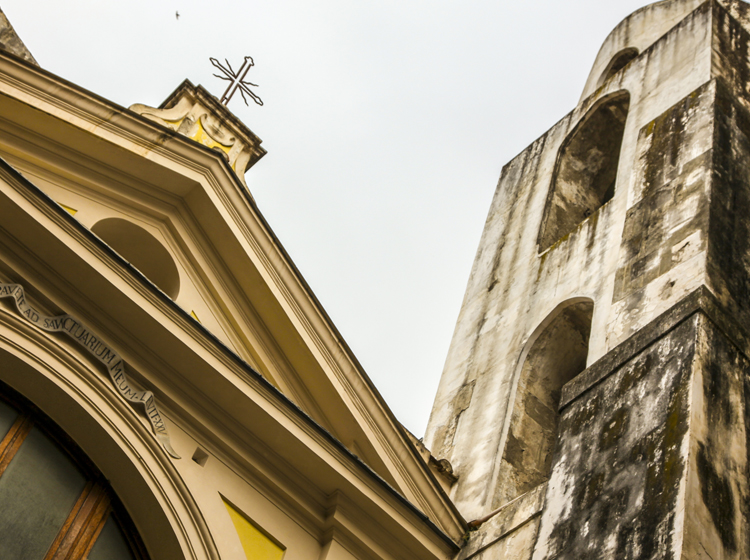
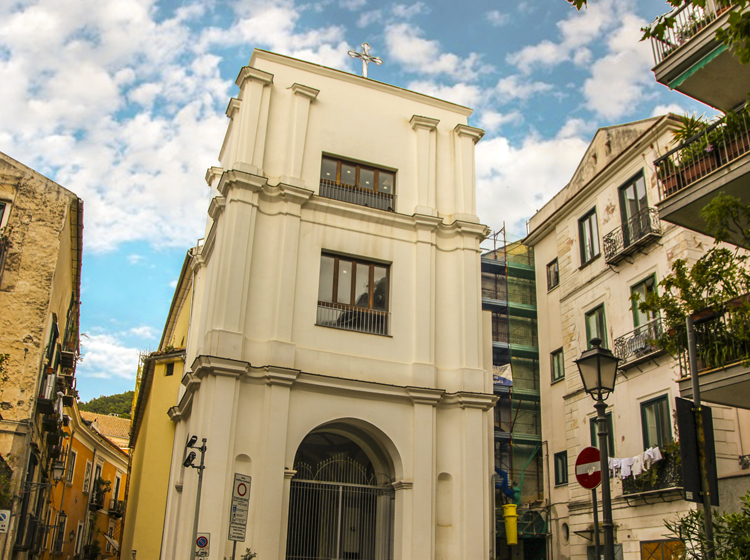
On the upper level the church has a longitudinal plan divided into three naves with bare columns and, as mentioned, it is a 13th-century renovation. The campanile, on the other hand, is from the 17th century, while from the late 15th century are the two frescoes on columns, one of which depicts an excellently preserved Christ.
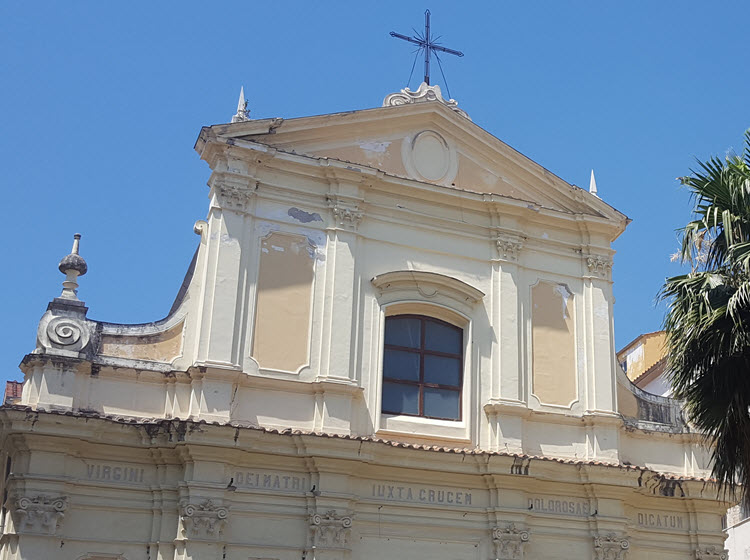
A church, therefore, that represents a very important evidence of the Lombard period, and which presents, in its different construction and decorative phases, multiple reasons for interest. Also beautiful is the location on the gradons of the Lama, one of the many streams that crossed the city starting from Mount Bonadies and which is now buried.



 L'evento inizierà tra 167 giorniSan Matteo fest Free admission 21 Sep 2026