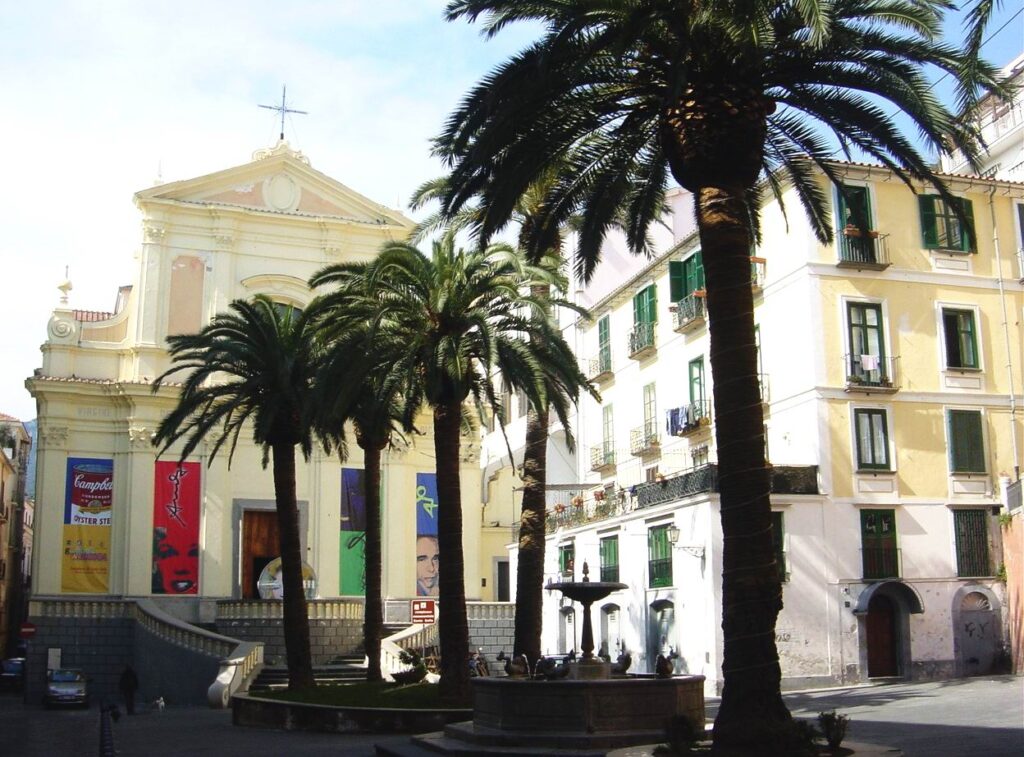
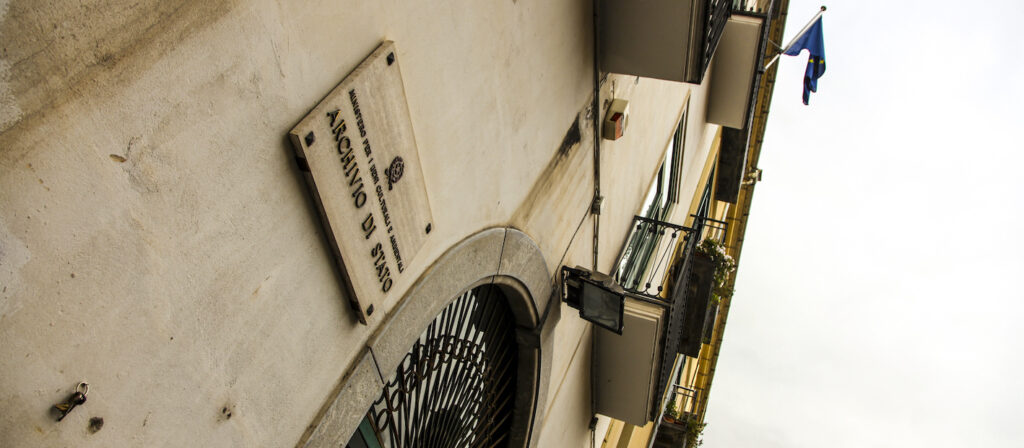
Strolling through Salerno’s historic centre, once you reach the Cathedral, you only need to let your gaze fall downhill from the beautiful church, towards the south, to glimpse an ancient building that reveals traces of different historical and architectural phases: the Archbishop’s Palace.
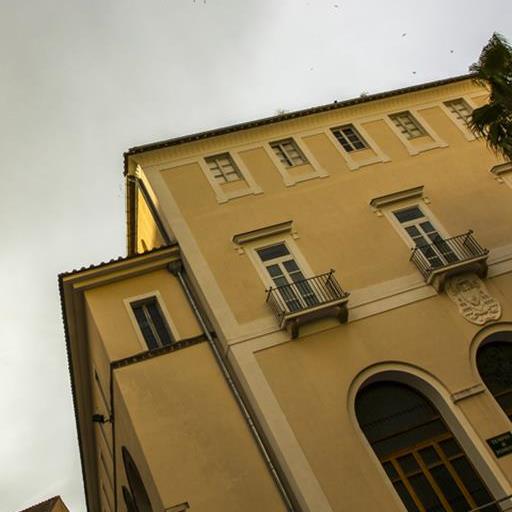
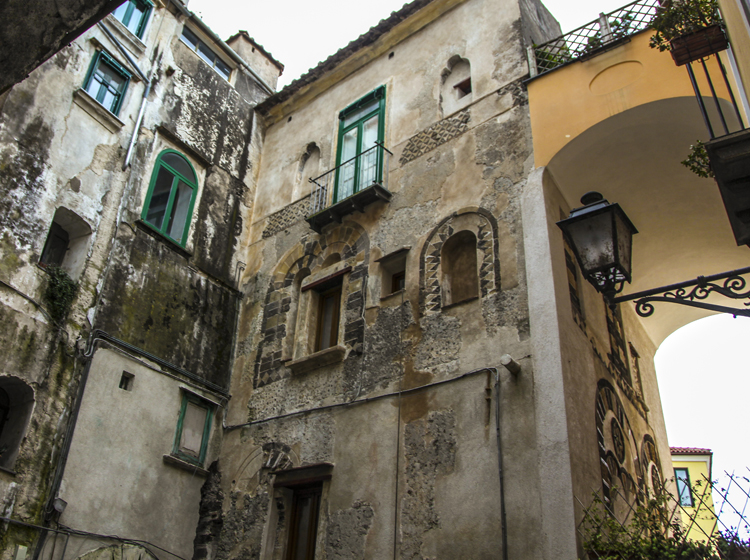
Over the centuries, this latter has undergone several transformations and shows layers from different periods, due to extensions and rebuilding.
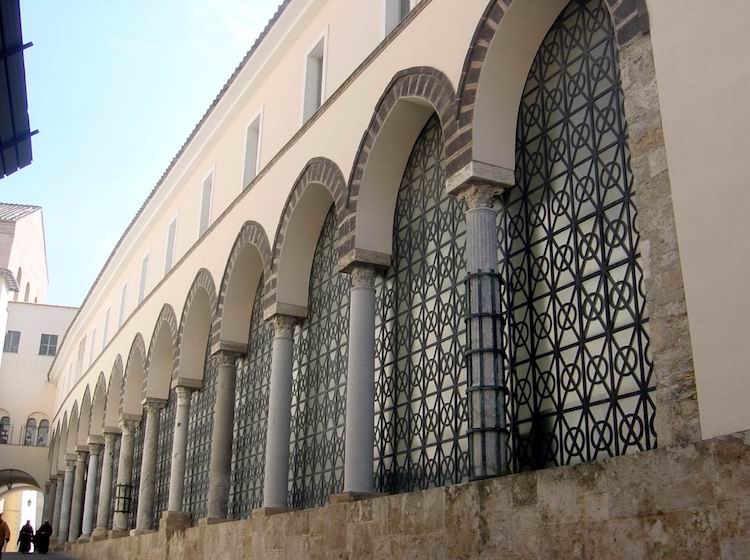
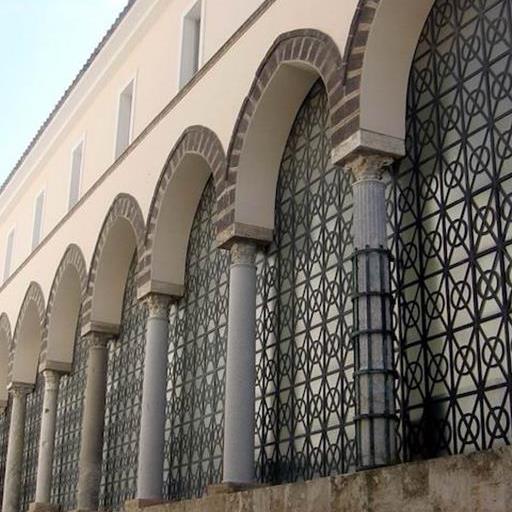
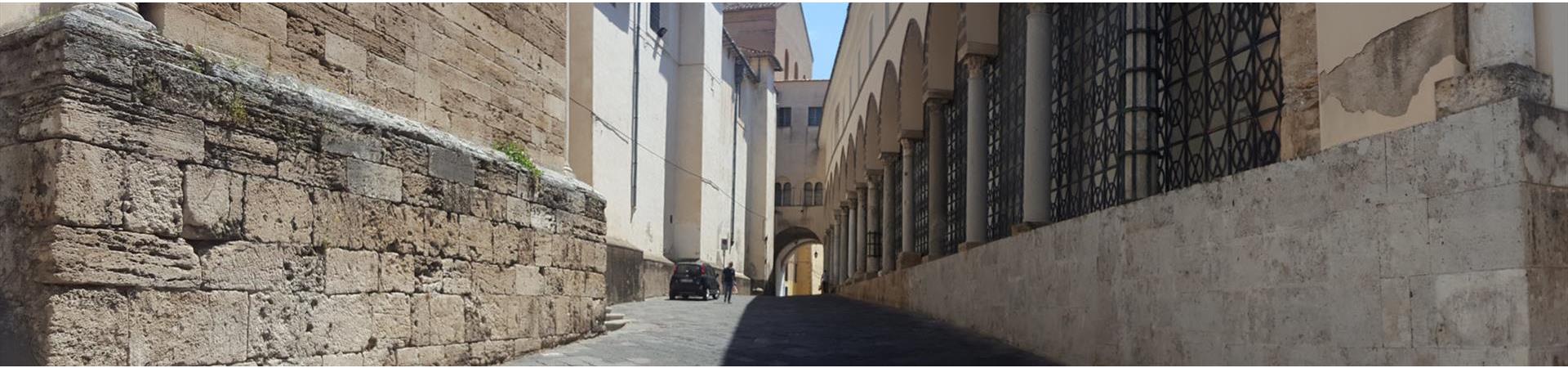
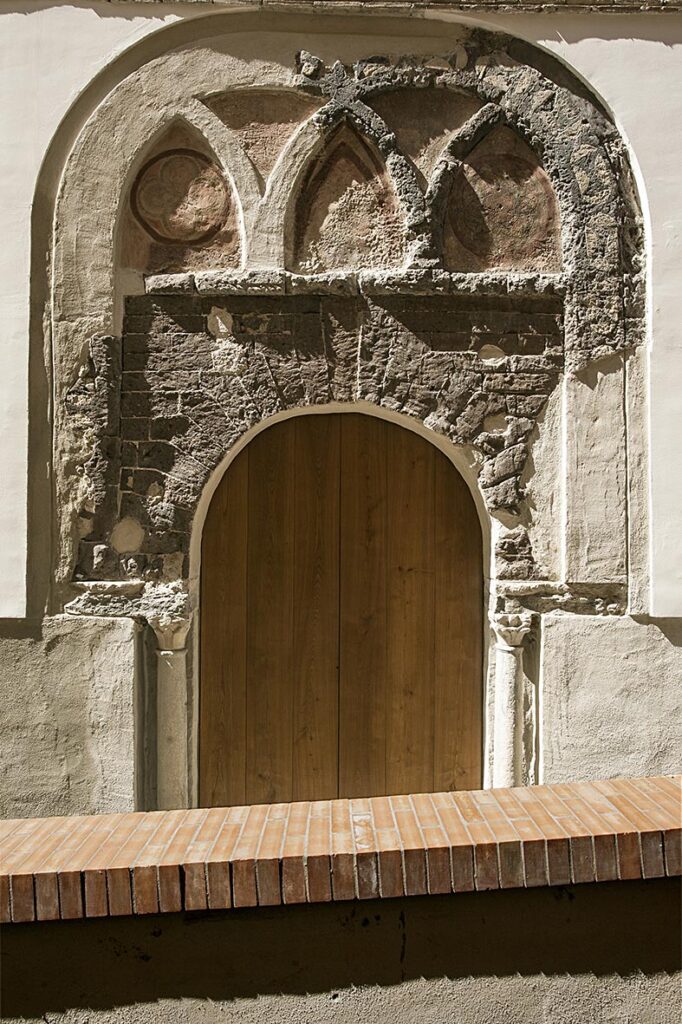
The oldest part is the one opening onto Via Roberto il Guiscardo, whose outer wall is made up of columns and fragments of arches constructed from tuff and travertine blocks with stone inlay decorations, dating from the late 11th to the entire 12th century.
The construction of the palace therefore dates immediately after that of the Cathedral, to which it is connected, through a passageway, by the Cappella di Nona, located at the height of the cathedral transept.
In addition to its evident historical and architectural value, the Archbishop’s Palace also houses numerous works of art.
On the upper floors there are four paintings by Francesco Solimena: Saul Agitated, Lot and his Daughters, The Sacrifice of Isaac and Judith and Holofernes.
On the ground floor, passing through an inner courtyard and going up a staircase, you reach the new wing of the building, rebuilt at the end of the war.
Here is the Hall of Coats of Arms, decorated with the heraldic shields of all the archbishops, and you can also admire several 18th‑century canvases: the Ascension of the Virgin, attributed to Francesco Giordano of the Solimena school; an Annunciation by an unknown artist; and two refined canvases (Presentation of the Virgin in the Temple and Annunciation) by Didacus da Sessa, a local painter active around the mid‑18th century.
To the left of the Archbishop’s Palace stands the Temple of Pomona, probably a pagan temple dedicated to the goddess, although archaeologists consider this attribution doubtful; today it hosts important exhibitions and events.
The temple consists of a large hall divided into two by a colonnade of six fluted columns, and the capitals of the statues are decorated with female heads.



 L'evento inizierà tra 167 giorniSan Matteo fest Free admission 21 Sep 2026