The Museum
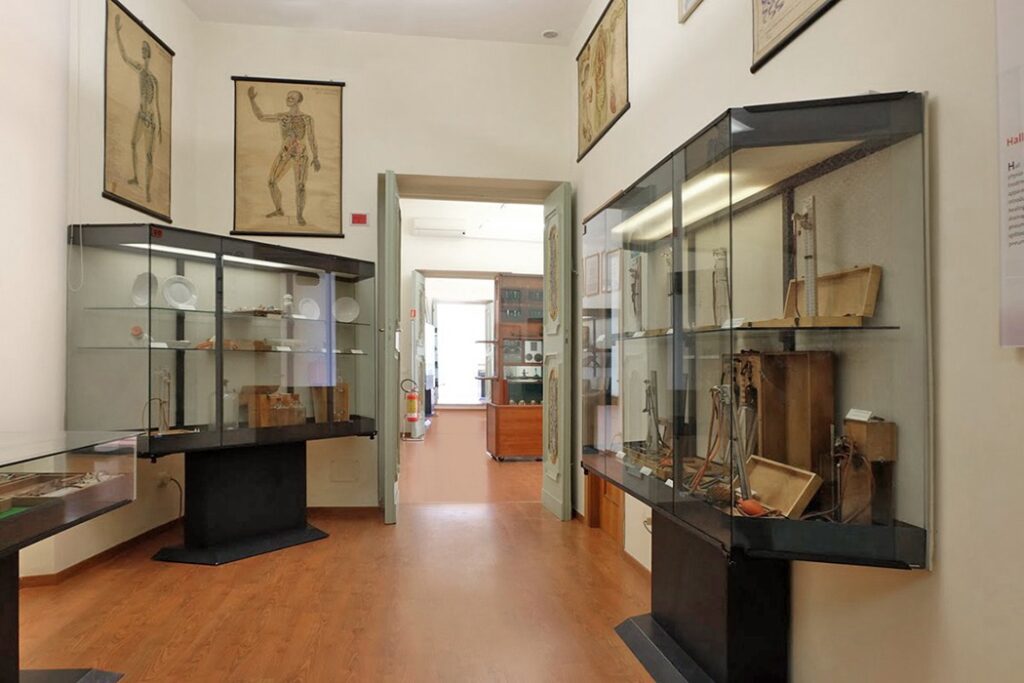
The private collection of Tafuri ceramics is located in the quaint larghetto Cassavecchia, on the ground floor of the 18th-century Mancuso Palace.
Opened in 1987, the small museum collects ceramic objects found in Salerno during excavations for the restoration of public and private buildings, during road works or even among the waste produced by construction sites. The entire collection has been patiently collected over the years byAlfonso Tafuri, a goldsmith and conservation and restoration enthusiast.
The museum’s premises were recovered in the 1970s by Tafuri himself after they had had several uses, most recently as a coal store and carpentry shop. Today the collection of ceramics is housed in small rooms covered by vaults of different types, paved with basils of lava stone and ‘Rufoli terracotta’from the kilns of Ogliara.
The collection
.
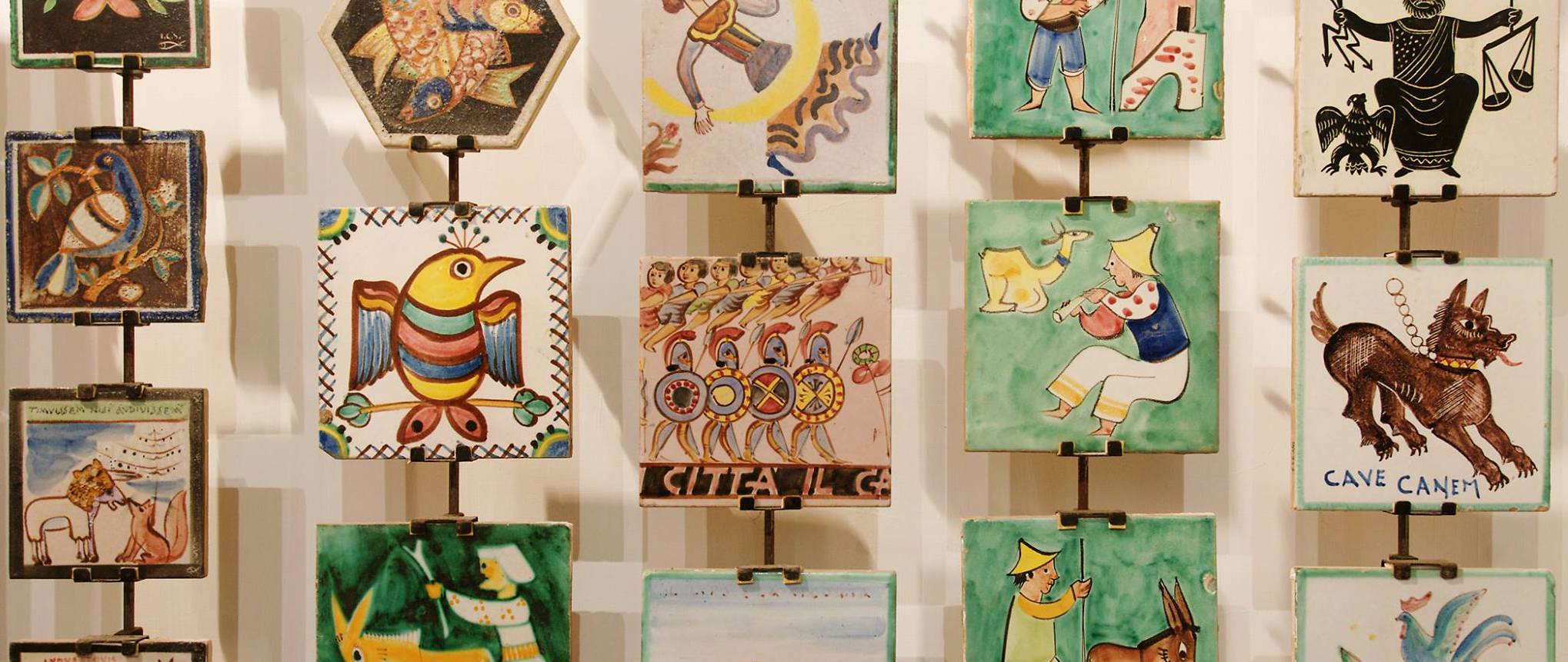
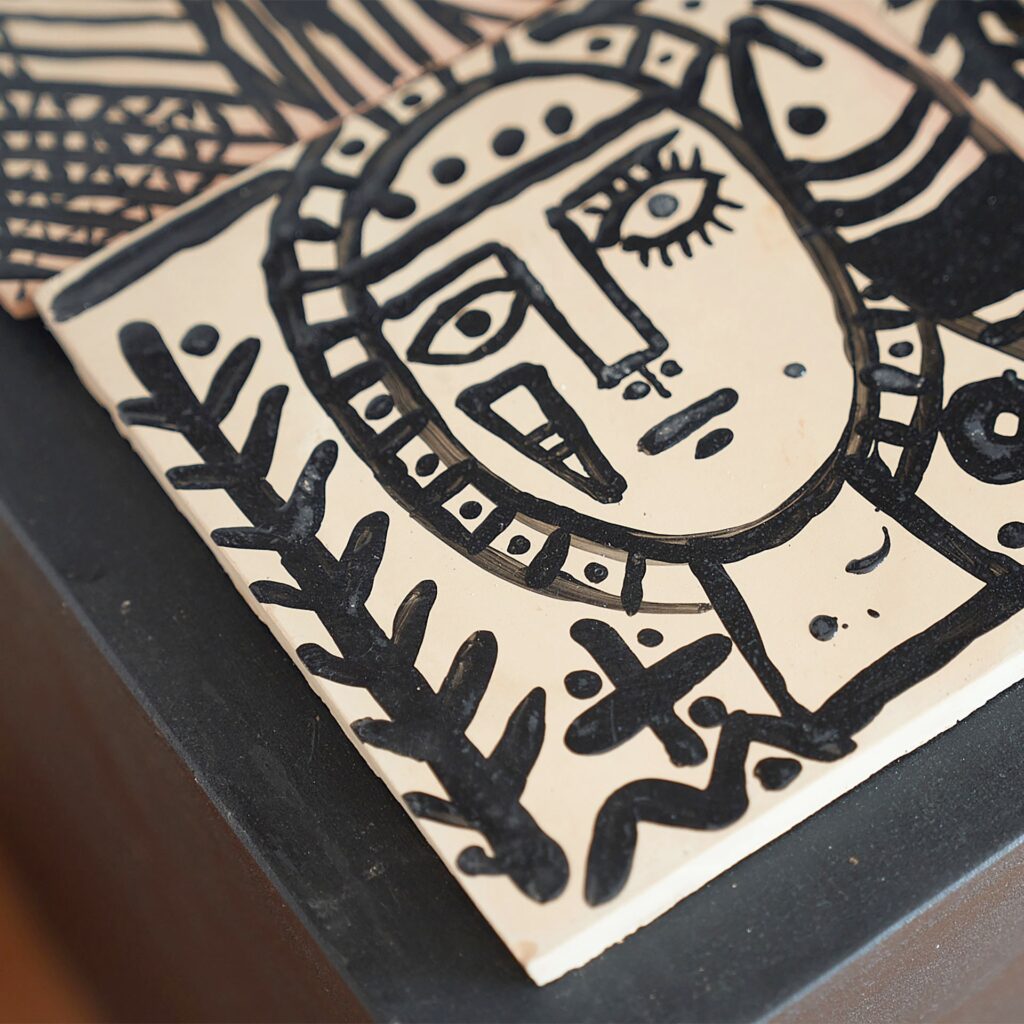
The display is divided into sections. The first showcases display material recovered in the historic center of Salerno. This is followed by a rich collection of riggiole, hand-painted terracotta tiles from 18th-century Neapolitan and 19th-century Vietrese, locally made and 19th-century Vietrese pottery and utensils, and older finds dating back to the 14th century. Also on display are mugs, suspenders, plates and other objects from the productions of Giffoni Valle Piana and Cerreto Sannita.
There follows the section devoted to the collection of targets and devotional panels and works from the so-called“German period”of Vietri ceramics, when, between 1920 and 1947, a number of artists from northern Europe (Germany, Holland, Poland) came to the Amalfi Coast and settled in Vietri sul Mare, fascinated by the place and the ceramic tradition.
Foreign artists include Riccardo Doelker, Irene Kowaliska, Margareta Hannash and Gunther Studemann but also many local artists who, stimulated by this lively current of renewal, became skilled in this type of production such as Guido Gambone, Giovannino Carrano, Vincenzo Procida, Enzo Rispoli and Andrea D’Arienzo.
To be discovered
Glazed and decorated entirely by hand with geometric, naturalistic, mosaic, marble- or wood-effect motifs, riggiole come in a square shape with the mark of the factory of origin stamped on the back. There are numerous examples attributable to families of Neapolitan riggiolari, such as Giustiniani, Chianese, Del Vecchio, Delle Donne and Stingo, and Vietri, such as Tajani, Punzi and Sperandeo.
The most recurring subjects include saints particularly present in local worship (St. Francis of Paola, St. Anthony Abbot, St. Michael the Archangel, St. Vincent Ferreri, St. Francis of Assisi) and especially the Madonna with or without Child, and other characters, according to canonical iconographic tradition (Our Lady of Mount Carmel , Immaculate Conception, Our Lady of Sorrows).
Curiosities / to know
The riggiole, from the Neapolitan ‘a riggiola, were terracotta tiles that could be either tiled or hand-painted. Their use was mainly in paving and wall covering in homes, churches, chapels and convents. Even today, the worker who lays tiles or tiles in Neapolitan is called o’ riggiularo.
The oldest find in the entire collection is a fragment of spiral wave pottery. Production of this type of pottery begins around the middle of the 12th century and becomes fully established in the 13th century. The decoration consists of four spirals in copper green and manganese brown. Production is widespread on the Tyrrhenian coast of southern Italy, especially in Latium, Campania, and Sicily, but also in Carthage, the island of Malta, and Israel.



 L'evento inizierà tra 167 giorniSan Matteo fest Free admission 21 Sep 2026