After the Swabian period and much of the Angevin period, in which it had been a state city, Salerno in 1439 was infeuded to the Orsini to pass, in 1463, to the Sanseverino, maintaining in this condition a role of capital of an independent State and of connection between Naples and the provinces of the Principality. With the advent of the Spaniards, especially for the progressive attractive force of Naples, capital and great city, Salerno was affected by a process of provincialization that prevented it from emerging towards the minor centers, however, remaining administrative center of the Principality Citeriore with function of collecting and marketing of agricultural products from the fiefs of the Sanseverino.
He lived a period of recovery under Ferrante Sanseverino, the last prince of Salerno, who gathered around him doctors and great intellectuals such as the philosopher Agostino Nifo and the humanist Pomponio Gaurico, thanks to whom he tried to renew the glory of the medical school of Salerno. After the conspiracy in which Ferrante was accused of allied with the Turks and French against the Spanish viceroy Toledo (1557), the city was removed from the Sanseverinos and became demanio regio. In 1578, he was later revisited by the ruler to the merchant Nicola Grimaldi, Duke of Eboli and finally, in 1590, Salerno with a deposit of 90.000 ducats managed to redeem himself returning to be a state city.
Passed from the demographic point of view by his own farmhouses, Salerno was unable to lead the economy of the provincial context, having lost importance already on the mercantile plane, while retaining fame especially for the medical school. In the 17th century the city walls are still on the 16th century track.
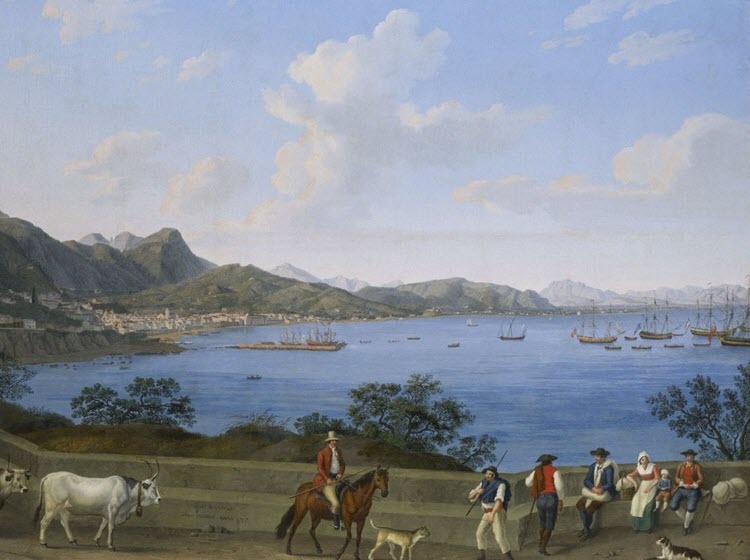
In the 17th century the anti-Spanish revolt also spread to Salerno. Guided by Ippolito da Pastina, fishing it as Masaniello, is wonderfully described by an illustrious Salento, Fabrizio Pinto, which provides a precise and detailed view of the city of the time.
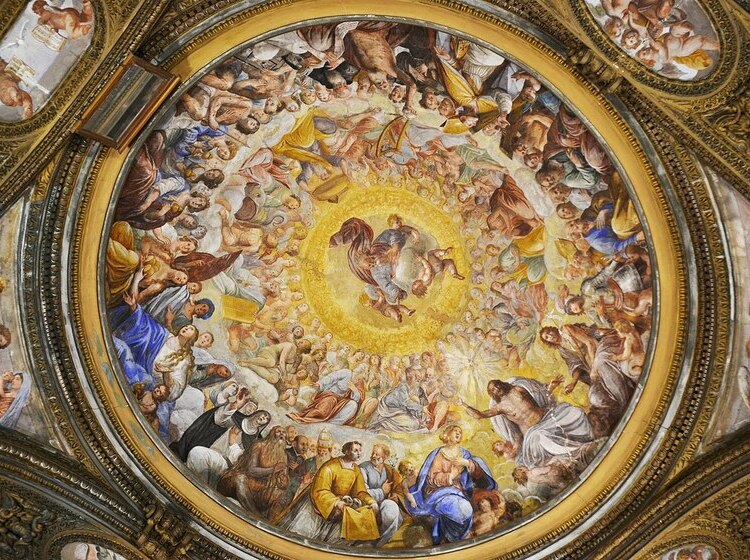
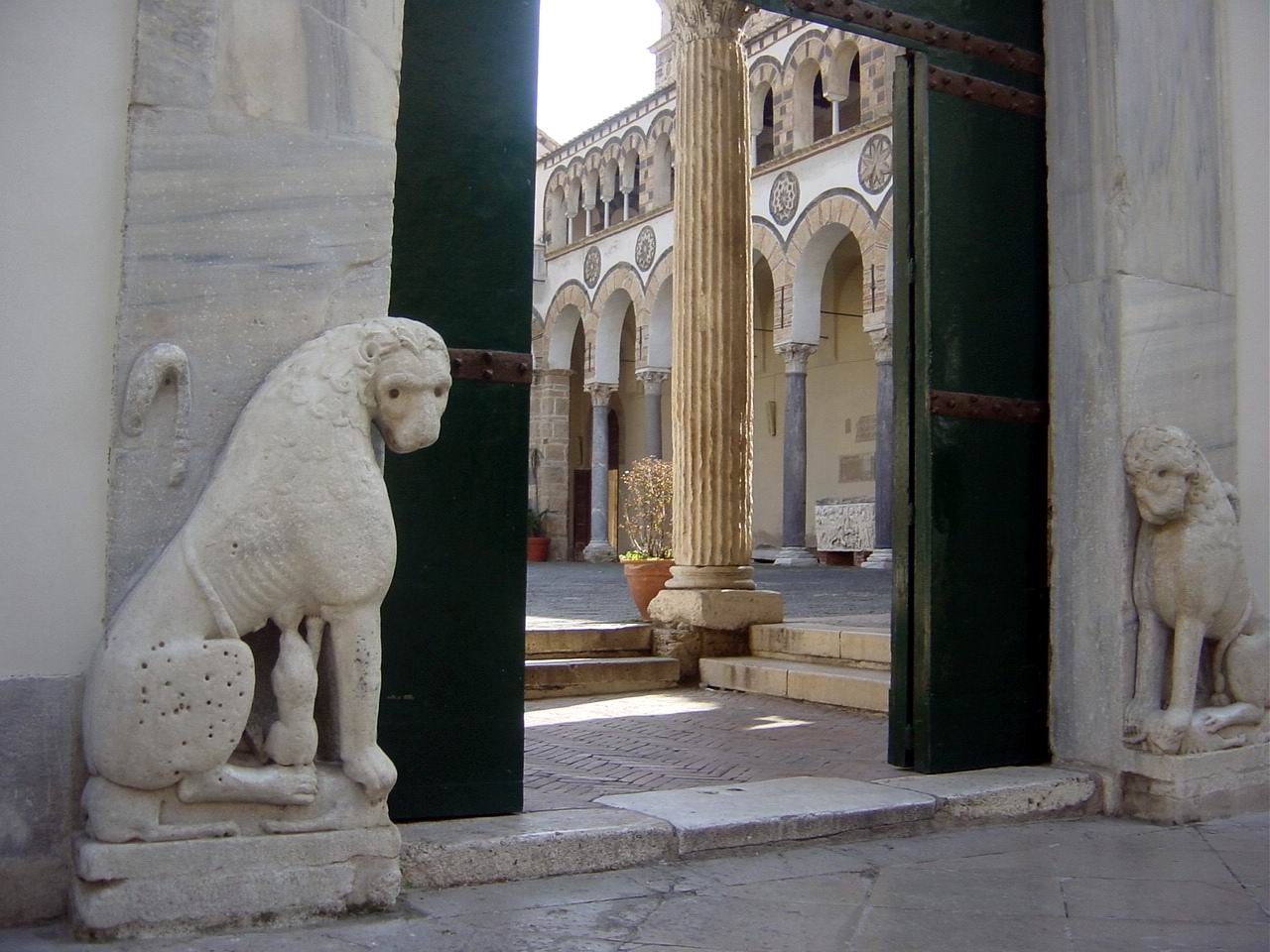
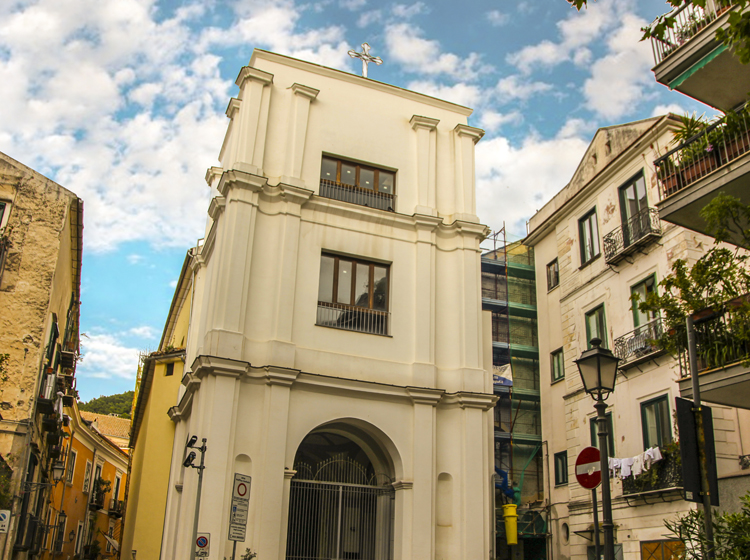
After the plague and the earthquake of the end of the century we witness a significant renewal of the places of worship according to the tridentine dictates. In the seventeenth and eighteenth century the churches of Salerno take almost all the present aspect: the baroque takes its foot, changing the ancient medieval architectures.
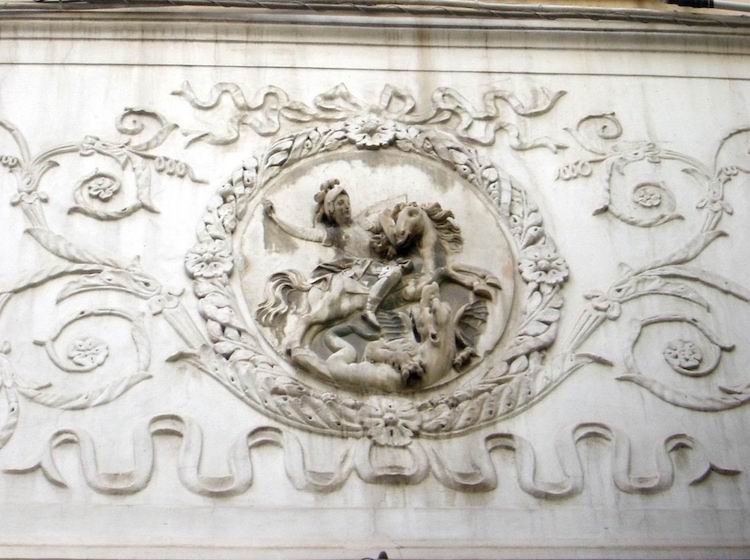
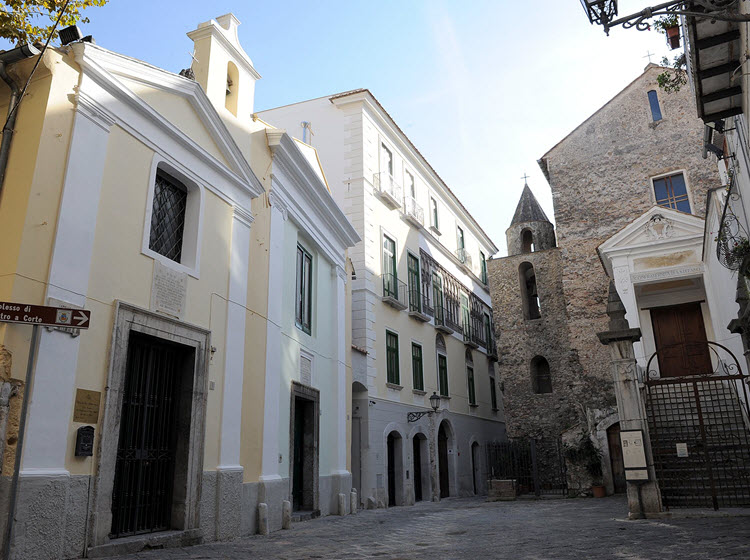
So it is for the Cathedral that is restored because of earthquakes, and for San Michele, an ancient monastery dedicated to the Holy Warrior loved by the Lombards, or for San Giorgio, also ancient monastery, which takes the present aspect, divided between the Church, and the barracks of the carabinieri and the Guardia di Finanza whose entrances are seen on Via Duomo. In the case of St. George, the masterpiece is created, especially for the sake of the Solimena, Angelo and Francesco, who are all about it.
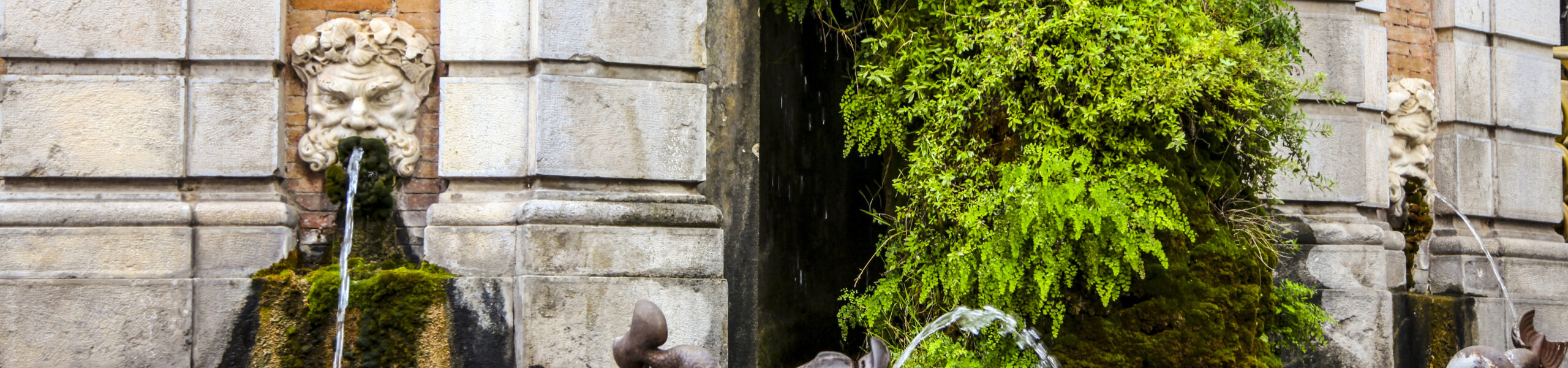
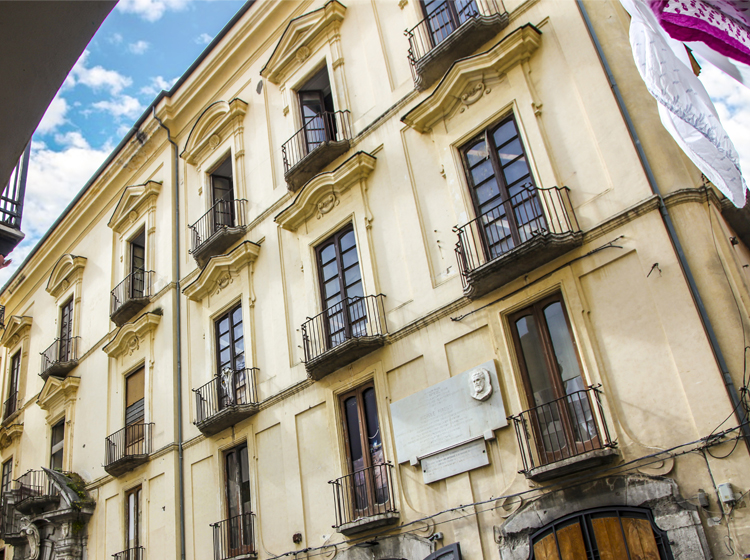
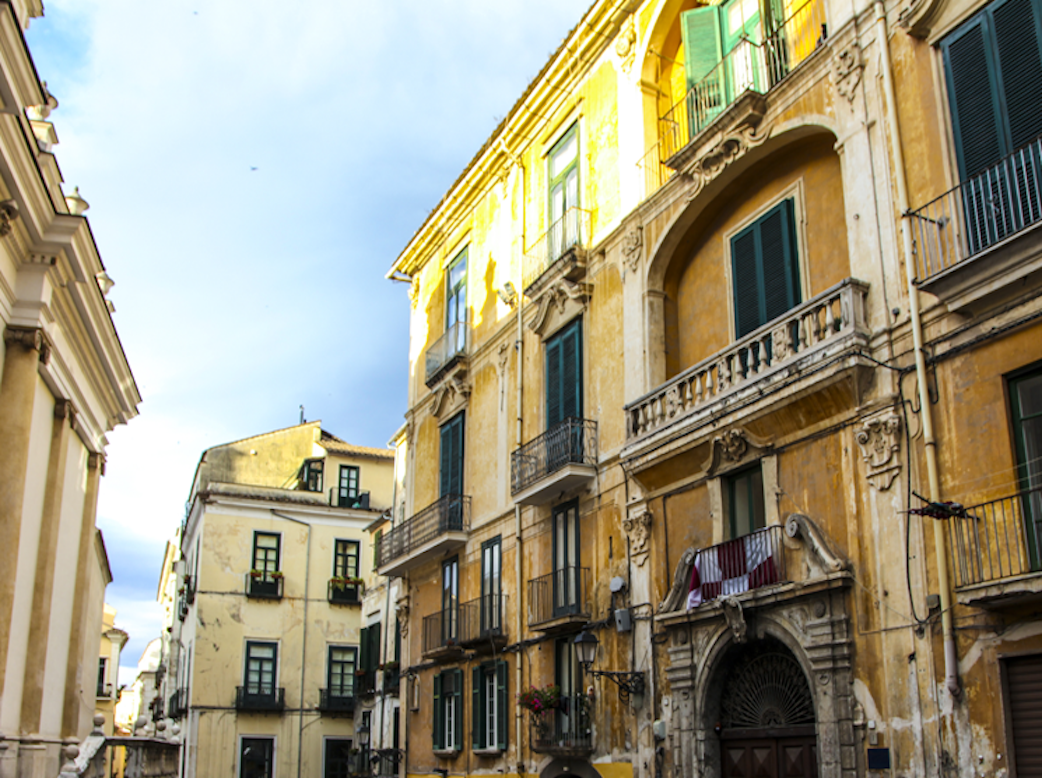
Between the seventeenth and eighteenth centuries, the stately building is also developed. There are some of the most beautiful palaces in Salerno. At the end of the seventeenth century are the baroque palaces of the Pinto, the Carrara degli Avossa; of the eighteenth century, the monumental Palazzo Genovese. The fish fountain is of the eighteenth century, also placed in Piazza Sedile del Campo and attributed – with a little imagination – to Luigi Vanvitelli.



 L'evento inizierà tra 167 giorniSan Matteo fest Free admission 21 Sep 2026