A period of development, chaotic but vital, invests the city from post-war to the years of economic boom. Despite the disastrous flood of 1954, new neighborhoods rise, the city grows, there is a great increase in factories and economic activities that make Salerno a disorderly protagonist of the phase of “boom”. At this time efforts and resources focus on economic development. They receive less attention sectors such as culture and tourism.
Salerno in the sixties becomes an important hub of the highway of the Sun and road connections between north and south. Unlike other cities in the Mezzogiorno, it is affected by a wide immigration phenomenon that leads to the construction of modern neighborhoods in the eastern part of the city.
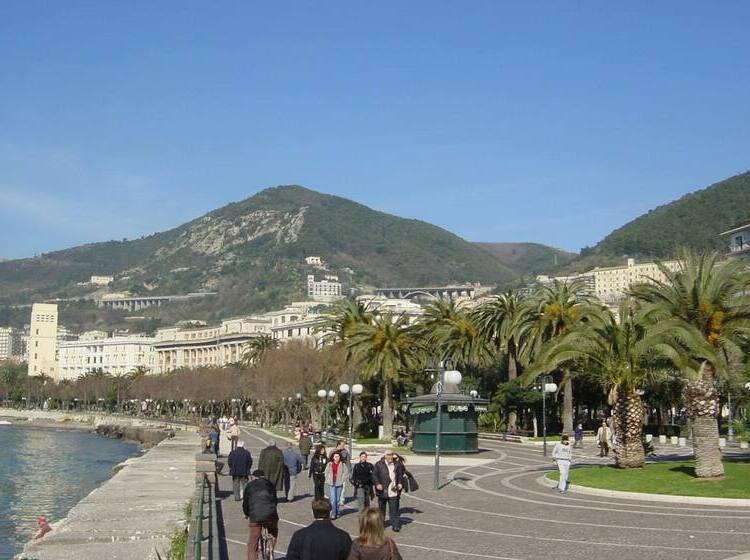
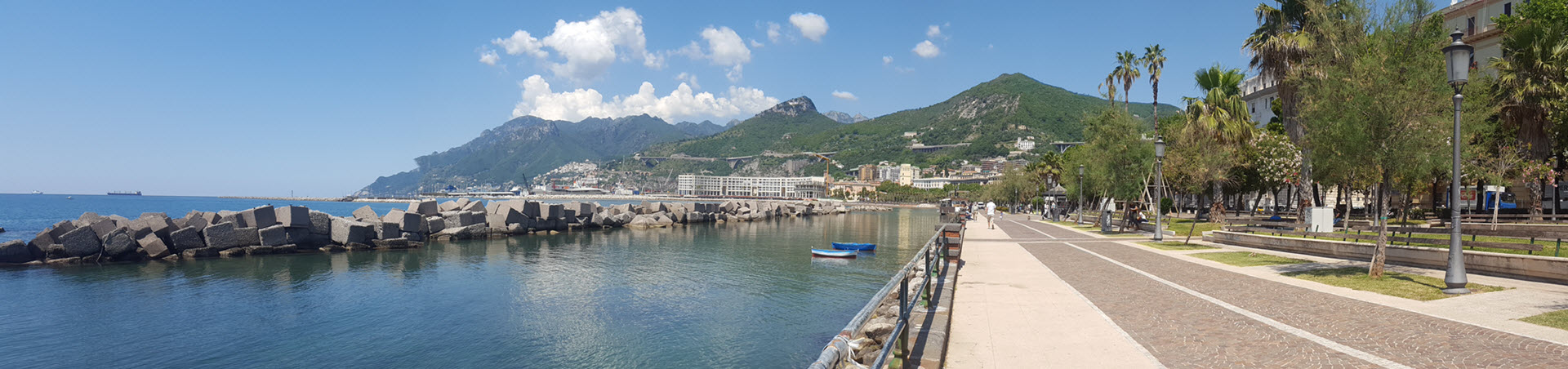
The bulky beach of the rubble of the war is transformed into the beautiful Lungomare, center of town life and place of walking and aggregation, with tables outdoors during the beautiful season. A remarkable work is realized: the Church of the Holy Family of Paolo Portoghesi
The University was born, first with the faculty of Magisterium, then after 1968 with the establishment of the other faculties, until it prefigured that development in the Valle dell’Irno which saw the birth of the Campus of Fisciano.
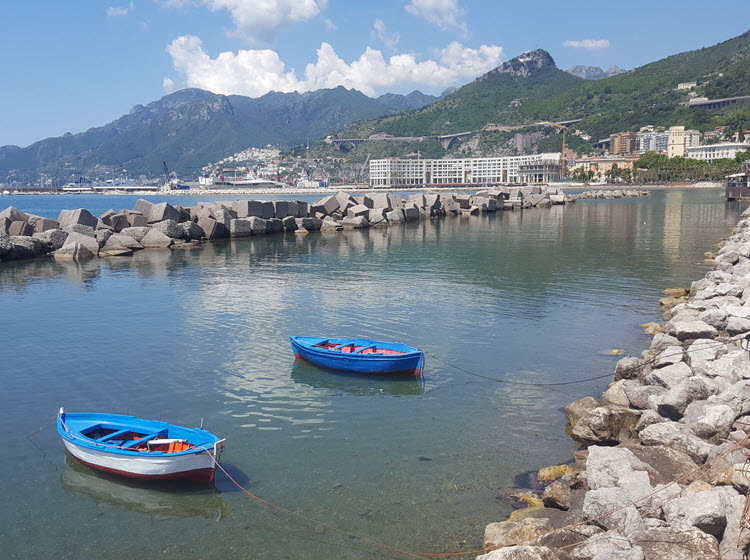
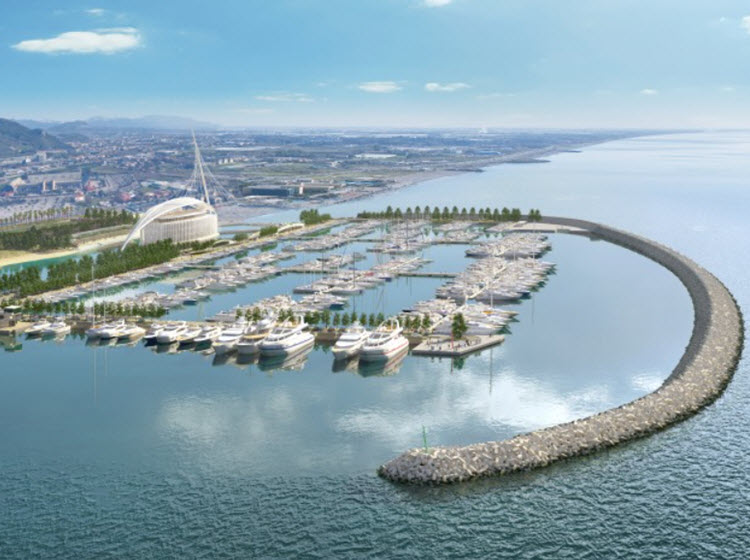
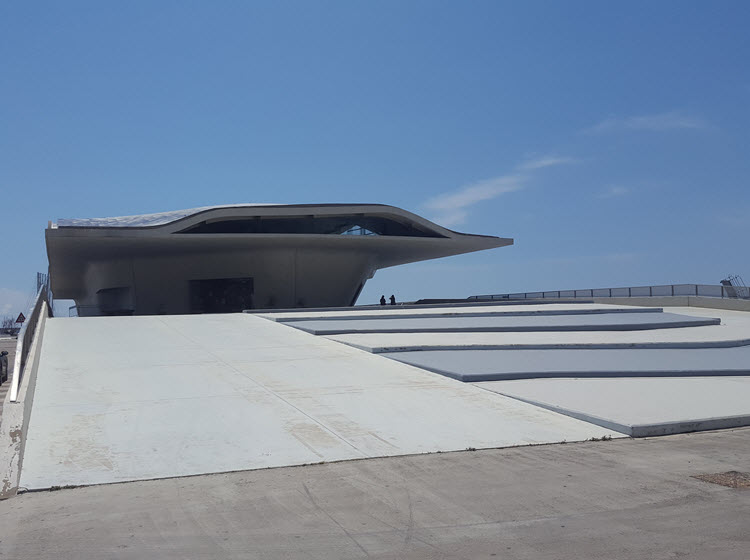
In the last phase – the 1980s – a series of public works and interventions are started, starting to prefigure a new face of the city, from the new Port, to the Trincerone, to the pedonalization of the Corso Vittorio Emanuele.
In Salerno, in good and evil, all the resources and problems that characterize the rest of Italy in those years, with a lively political and cultural life, youth dispute, political clashes, the desire for redemption and rebirth


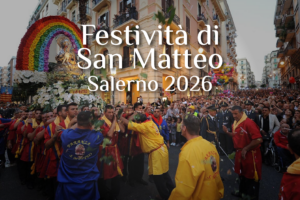 L'evento inizierà tra 167 giorniSan Matteo fest Free admission 21 Sep 2026