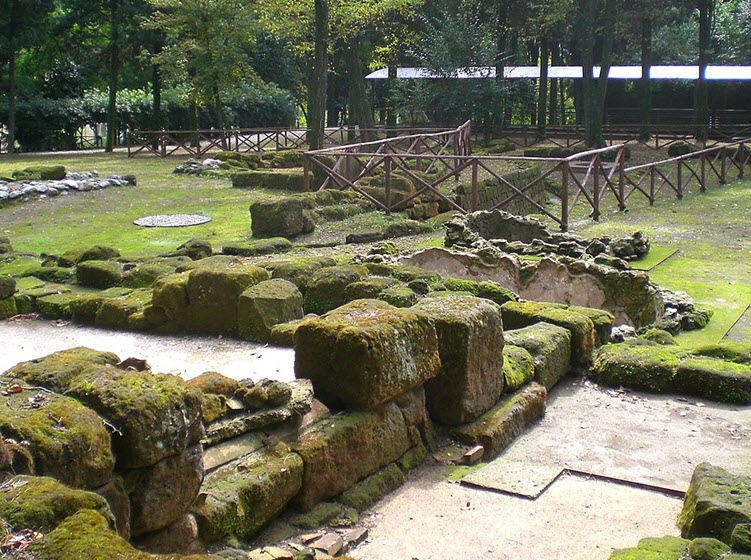
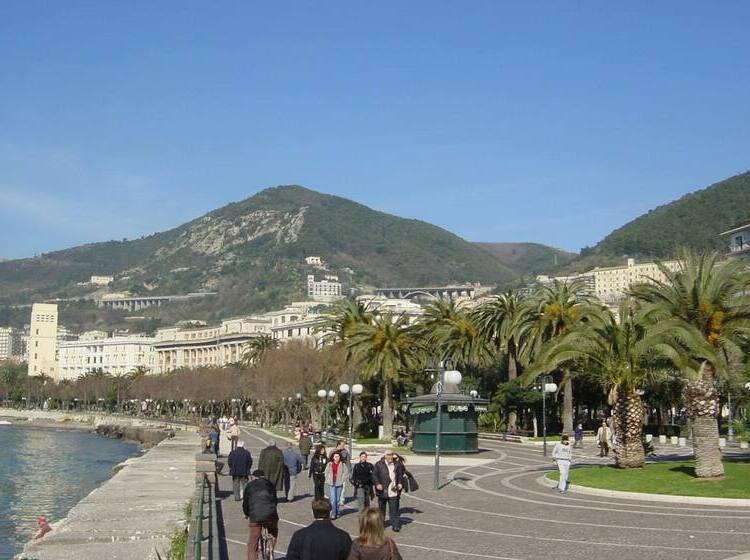
Not far from the place where Salerno grew up, in the area of the current district of Fratte, between the 8th and 5th centuries BC, an Etruscan center, which according to some scholars would have called Irna. It is an important outpost of the Etruscans in the Gulf of Salerno, where they interact with the Greeks of Poseidonia-Paestum. This frontier center, open to different peoples and cultures, thanks to trades and exchanges, was very rich, as denotes the great quantity of Athenian production vessels, which then represented luxury objects, present in the tombs of the necropolis near the archaeological area that you can visit.
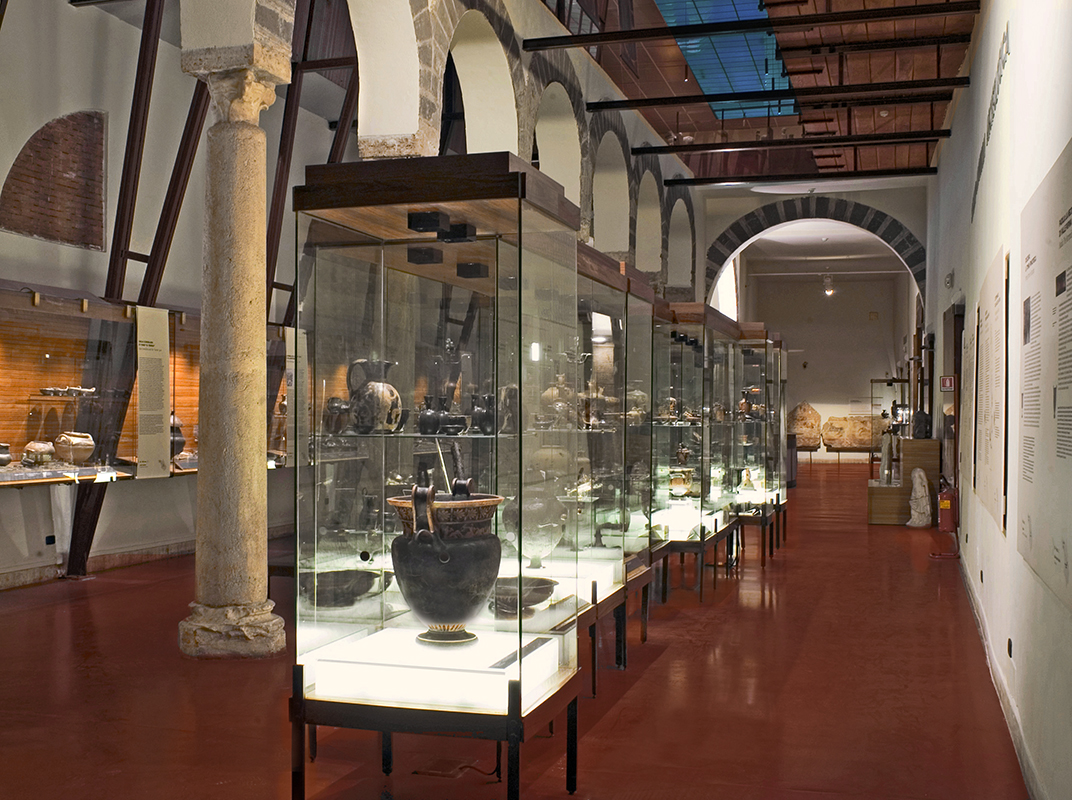
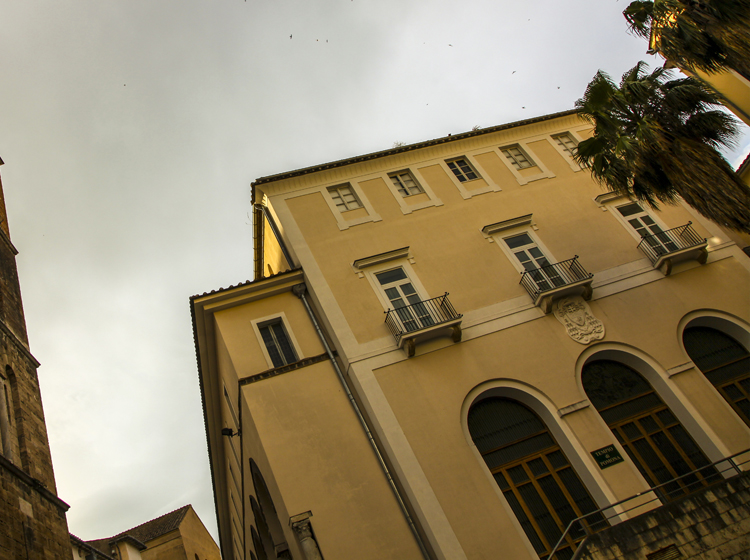
In the Provincial Archaeological Museum, these vases and all the other finds found in the excavations of Fratte, among which the beautiful fictitial decorations of a temple dedicated to Hercules, a hero very loved in Etruscan area. The city in the 4th century BC is occupied by the Sannites and then conquered, like the other Sannite cities, by the Romans in 308 BC. We are in an area inhabited by the Sanniti, in fact, by Lucani to Paestum, by the Picentini deported in 260 BC. from the Romans who gave birth to the city of Picentia, where today’s Pontecagnano rises. As a military garrison of the area, after the Picentini rebelled in Rome, the birth of a new city, on the coast, at the mouth of the river Irno is promoted. In 194 BC, at the end of the 2nd century B.C., the Roman colony of Salerno rises. The city occupied the area of the current Old Town, witnessing a very long urban history. It is a city with military purposes, but also with harbour and commercial vocation, and soon becomes rich and populous. It also has a vocation of the ‘touristic’ type, the ancient Salernum, so much so that Horatio cites it as possible destination for his holiday.
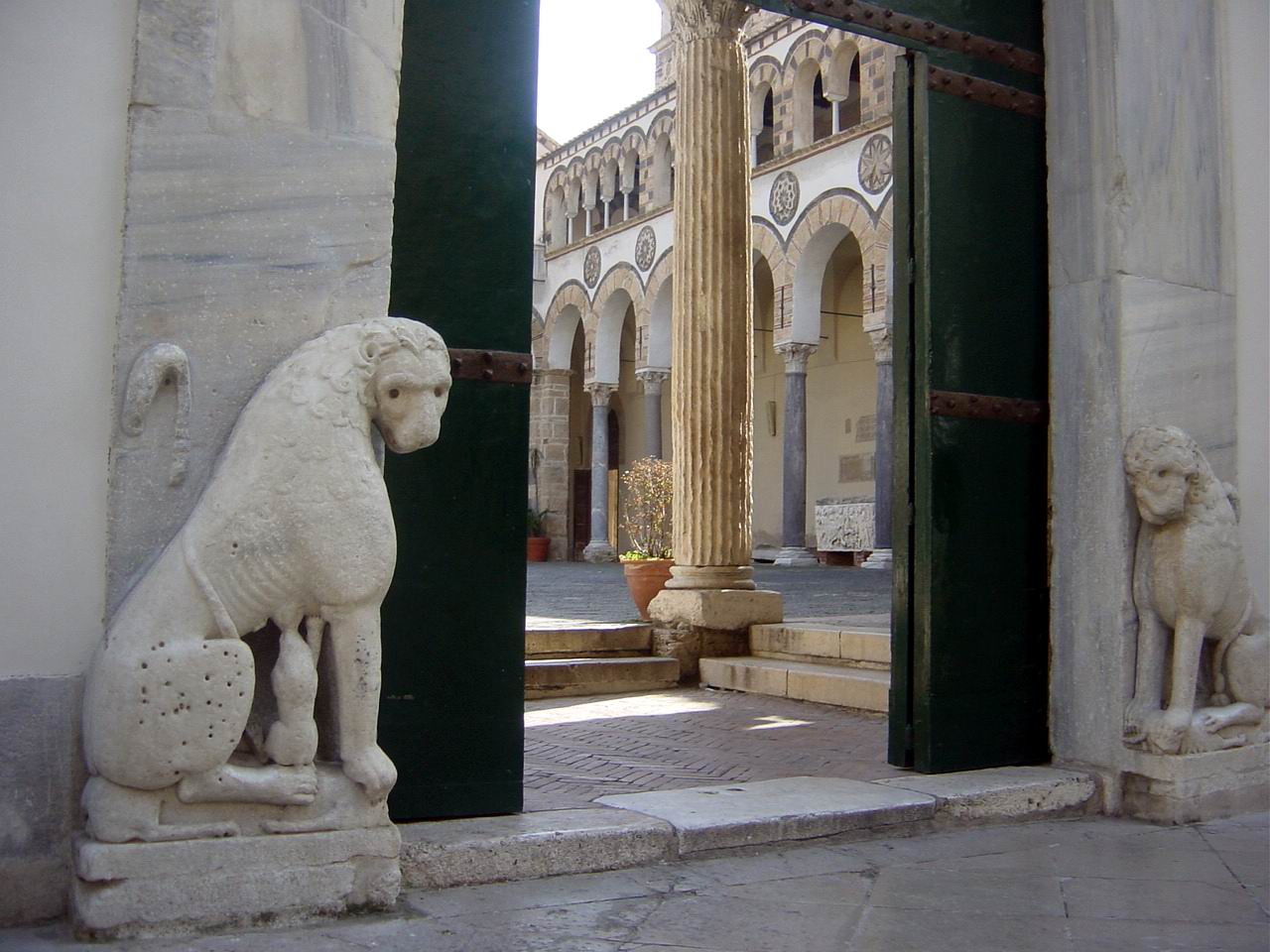
Traces of Roman Salerno are located everywhere in the Old Town, starting from the many columns that fit into portals and palaces. A beautiful colonnade is on the side of the bishopric, inside which there is the Temple of Pomona. Under the Palatine Chapel and Palazzo Fruscione, in what is a real palimpsest of the history of Salento, there are the visitable remains of Terme. And, within the quadriportico of the Duomo, all made up of beautiful Roman columns of bloom, there are some magnificent sarcophagi of decorated marble.
But the greatest suggestion is in what you don’t see, but you understand. Largo Abate Conforti was perhaps the place of the Forum, and you can still see the shape of the ancient square.
The most beautiful memory of the Roman era is in the Archaeological Museum, the beautiful bronze head of Apollo, found in the waters of Salerno, imbrigliata in the network of a fishing boat and became one of the symbols of the city.



 L'evento inizierà tra 167 giorniSan Matteo fest Free admission 21 Sep 2026