Between the 18th and early nineteenth centuries the distribution circuits of the products of the province remained relatively autonomous and used production and marketing channels often outside the city of Salerno. As for the ancient Medical School, in 1810, during the French decade, it was suppressed in favor of centrality from the University of Naples, a very hard hit for the millenary tradition of the school.
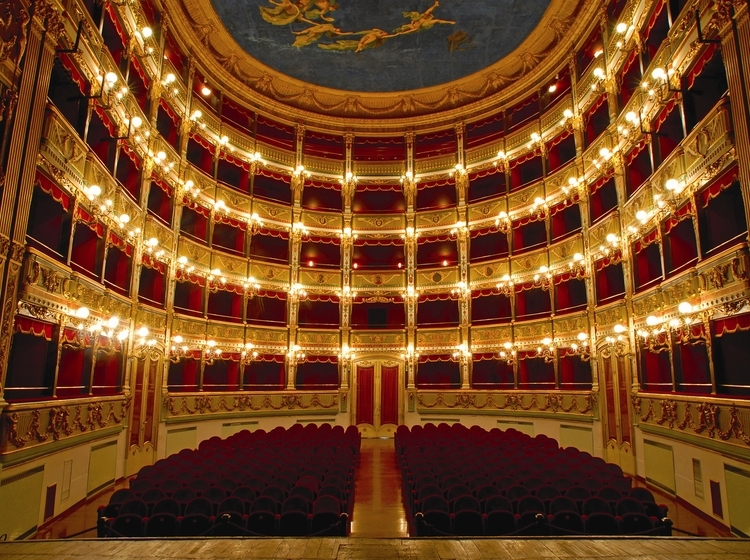
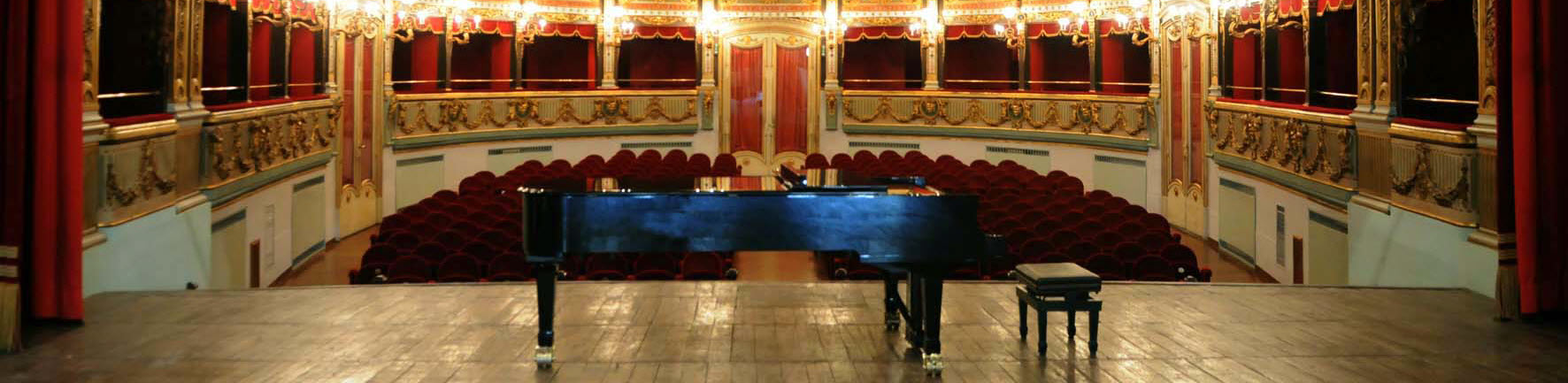
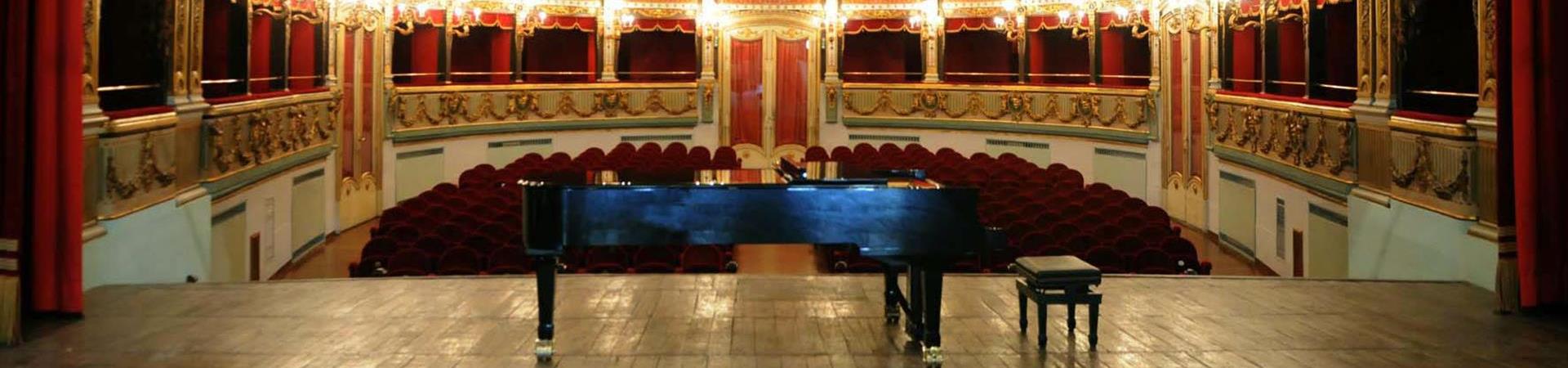
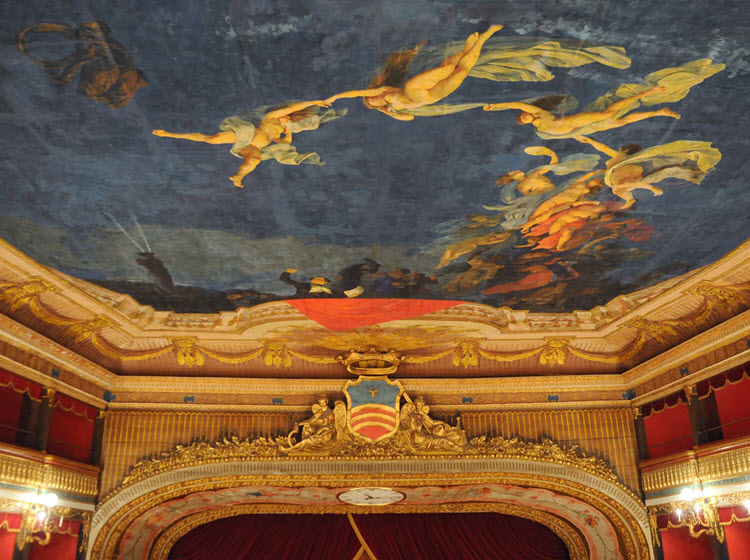
The 19th century sees Salerno first sleepy and firm, then, after the Unity and for the intractance of the mayor Matteo Luciani, it takes new vigor. The city extends outside the ancient perimeter of the medieval walls, the Villa Comunale is built, and then the Teatro Verdi, a place of art and culture that still continues to offer high quality offers.
Meanwhile, in the Bourbon period in Salerno, Swiss entrepreneurs had settled to build a pole of textile industry. The Cotonifici Riuniti di Salerno (became the Southern Cotoniere Manufactures) develop in the district of Fratte and are the basis of that industrial activity that will make Salerno the most important productive city of Campania, rich of enterprises in the fields of construction, mills and pastries, bricks.
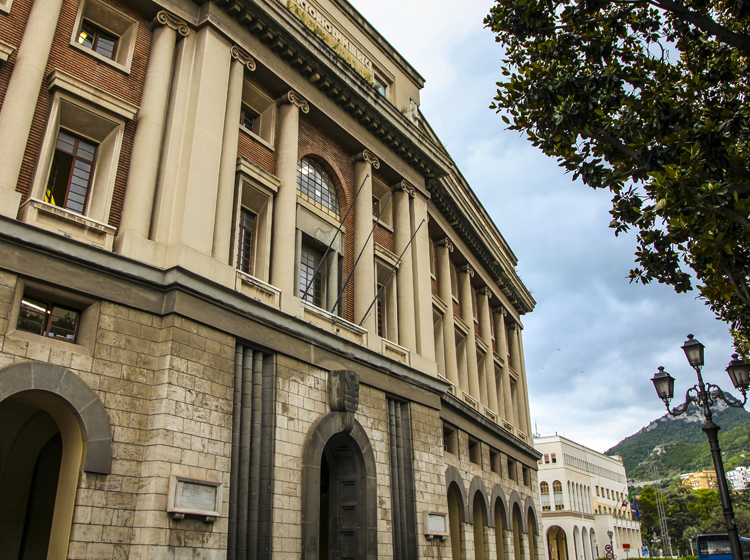
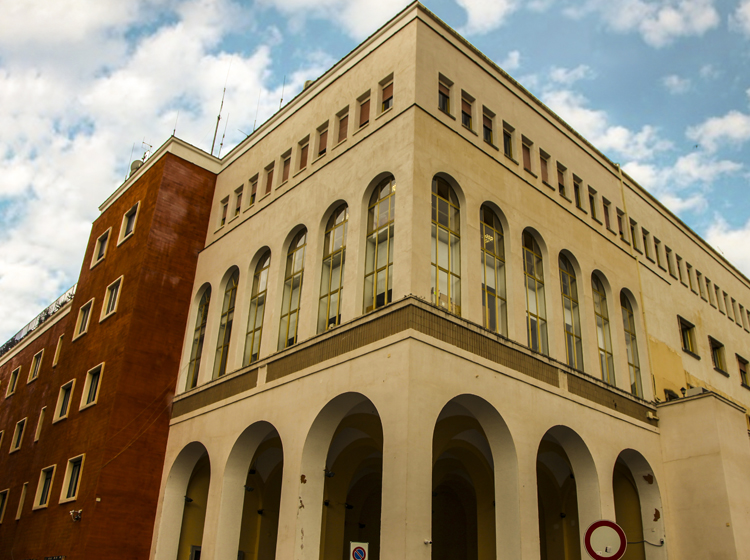
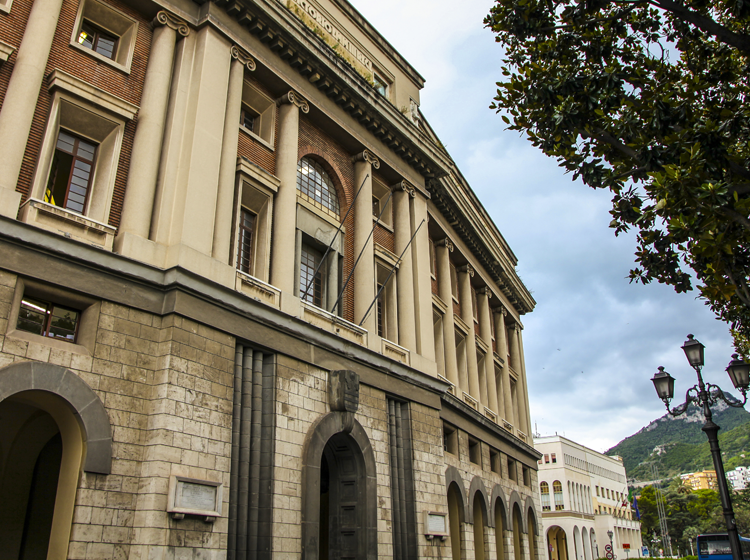
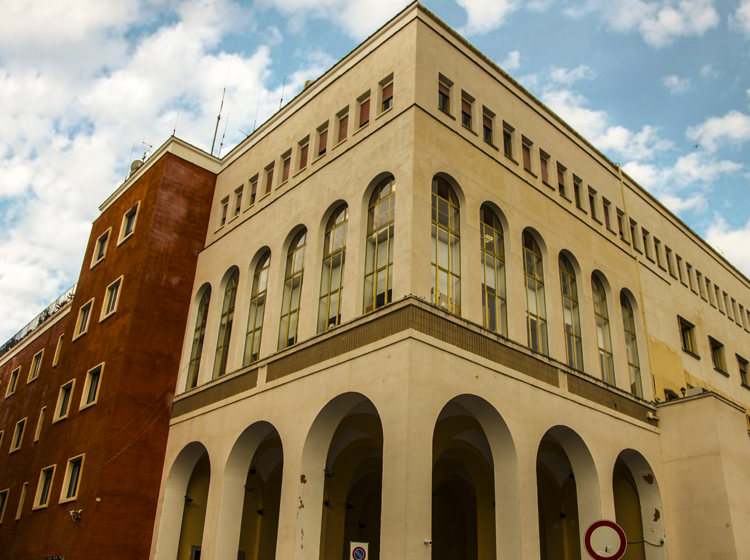
The fascist period, in line with the general directives of the regime, marks the construction of some large public buildings, from the Town Hall, to the Palace of Prefecture.
Salerno is the protagonist of an event that marks an important turning point in the South in the Second World War, here the Allies land. On 9 September the Sele plain saw the most ingent landing of military troops before that in Normandy.
From ’ 11 February to 14 July 1944 Salerno became the capital of the South Kingdom until the liberation of Rome. The first meeting of the Council of Ministers chaired by Badoglio takes place in the hall of the Municipality of Salerno. In this phase there is also a politically relevant act, passed to history as “the turning point of Salerno”, through which the secretary of the Communist Party Togliatti supports that first post-regime government, recalling to the conclusion of the conflict the institutional question, the choice between monarchy or republic.
The post-war period opens with rubble and hopes.



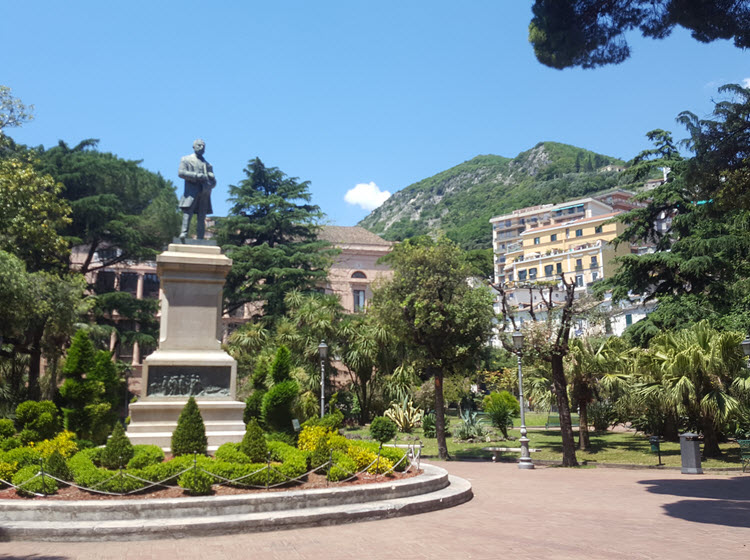
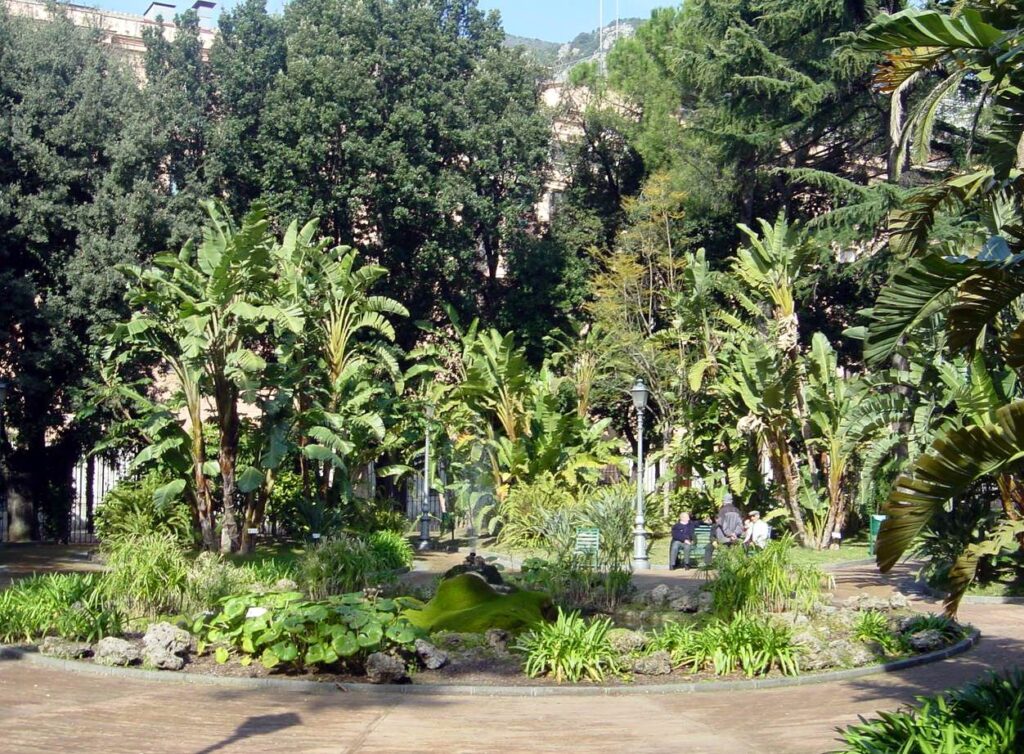 Municipal Villa Gardens and Parks Villa Comunale di Salerno, Via Roma, Salerno, SA, Italia