With the arrival of Angioini and Aragonesi, and with the move of the capital to Naples, the role of Salerno resizes, but the city does not stop to play a significant role in the kingdom context, thanks also to the fact of having an important port, founded by the Swabian Manfredi in 1259, and to be the seat of one of the greatest fairs of the Mezzogiorno, attended by merchants and foreigner, established by the same ruler in the same year.
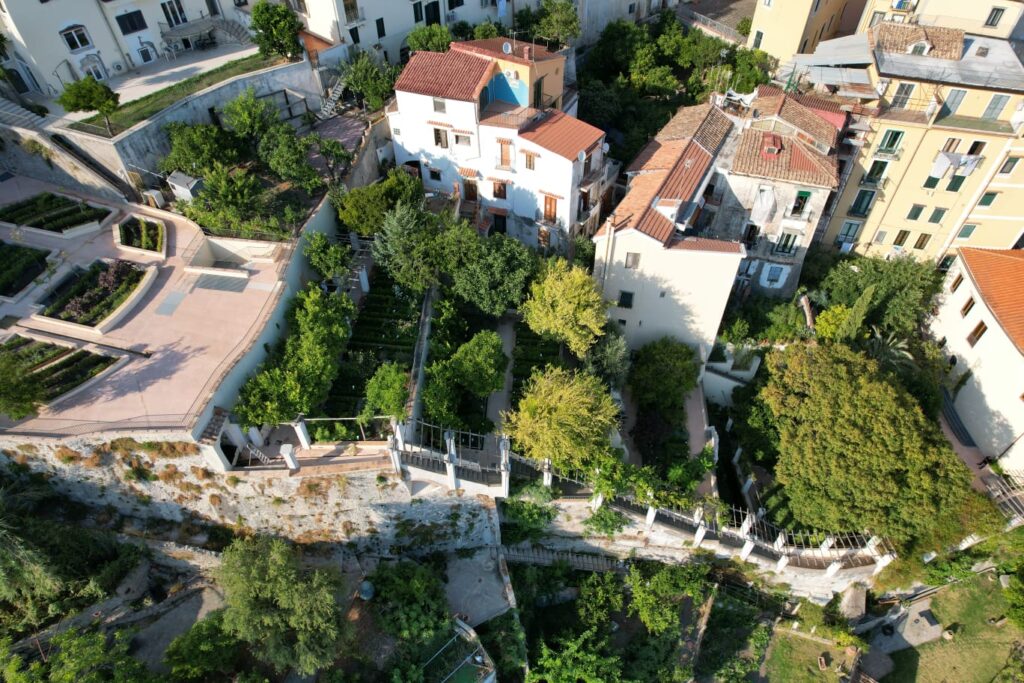
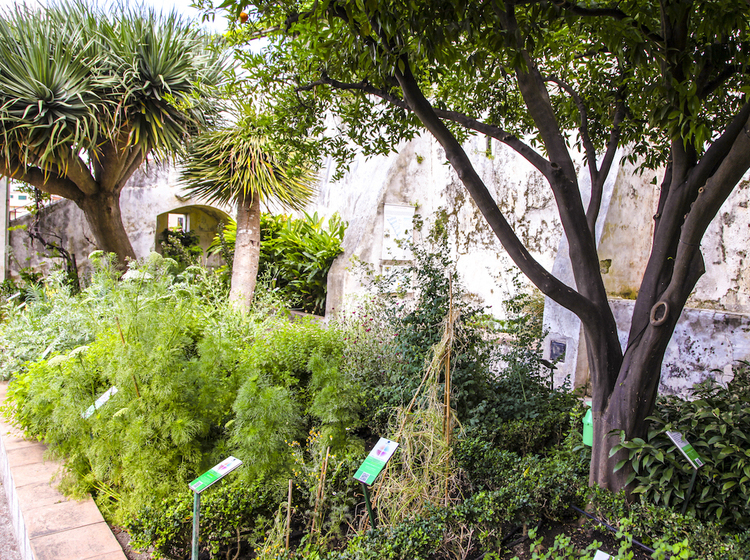
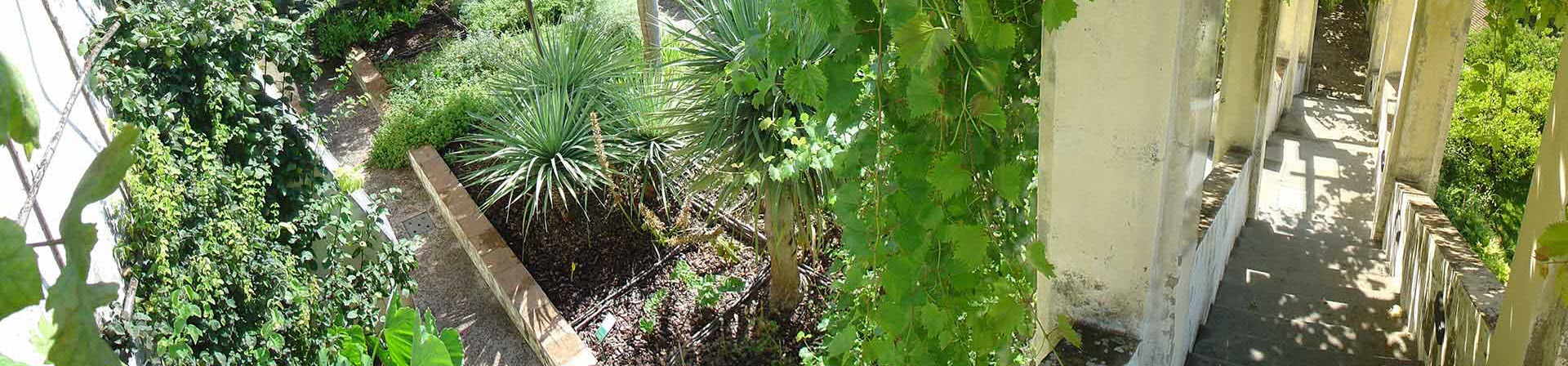
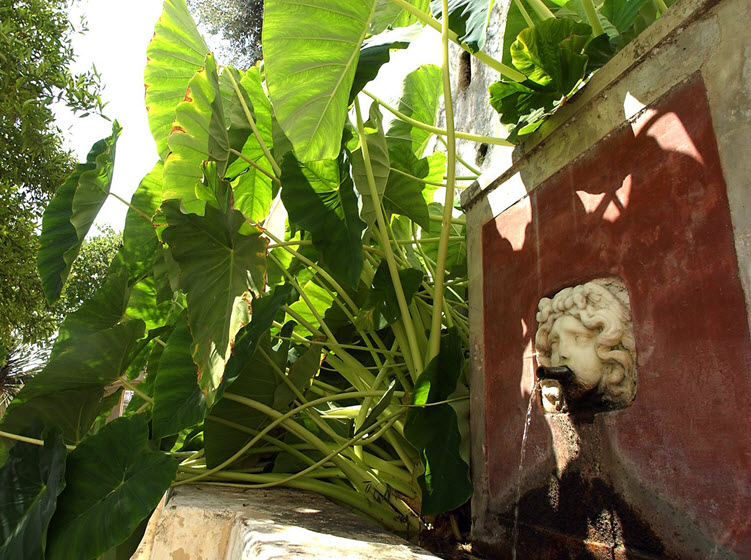
In the Angioin period he lives in Salerno the famous doctor Matteo Silvatico, known to Boccaccio who writes a novella (X of the 4th day) in which there is a doctor from the name of Mazzeo della Montagna, clearly inspired by him. Matteo Silvatico is the founder of what is now called the Garden of Minerva, a splendid botanical garden restored according to the principles of medieval medicine.
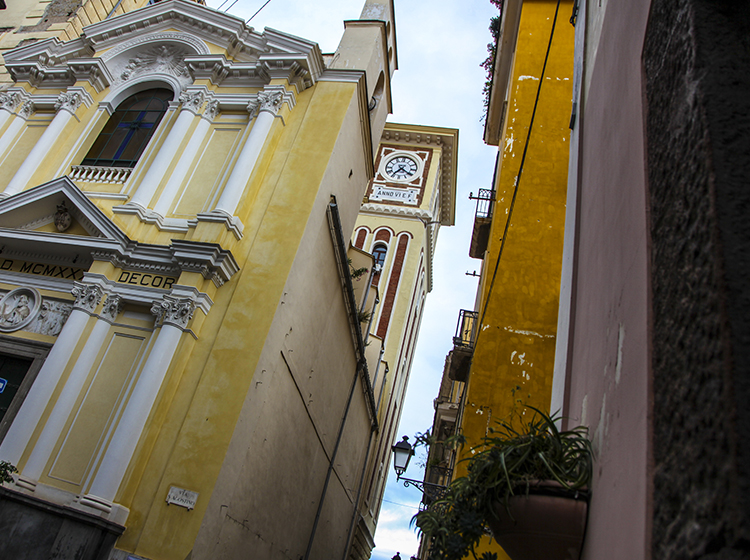
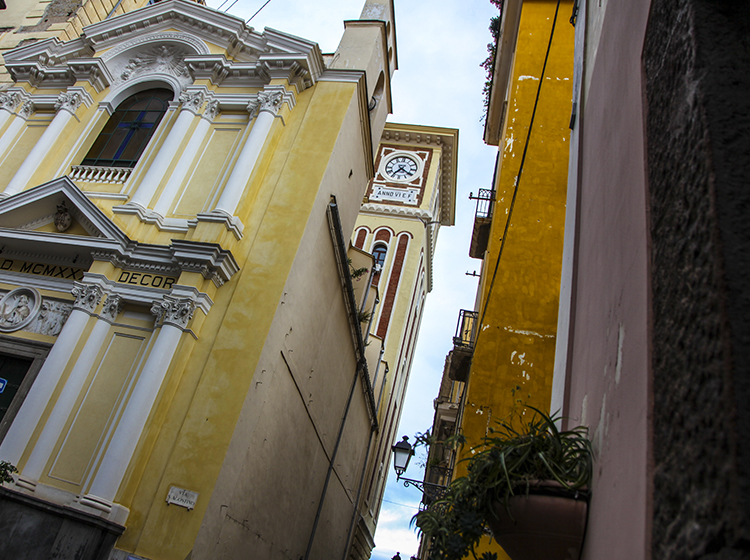
Salernitano is also the major novelist of the fifteenth century, Tommaso Guardati, famous as Masuccio Salernitano, heir of Boccaccio with his novels, many of which set in Salerno, in which they describe, among others, via dei Mercanti, called the “drapparia”, the Church of Sant’Agostino, the Piazza del Sedile del Campo. Architectural remains of that period are scattered in the city, the most beautiful and famous is the Catalan Arch, the work of the Aragonese period.
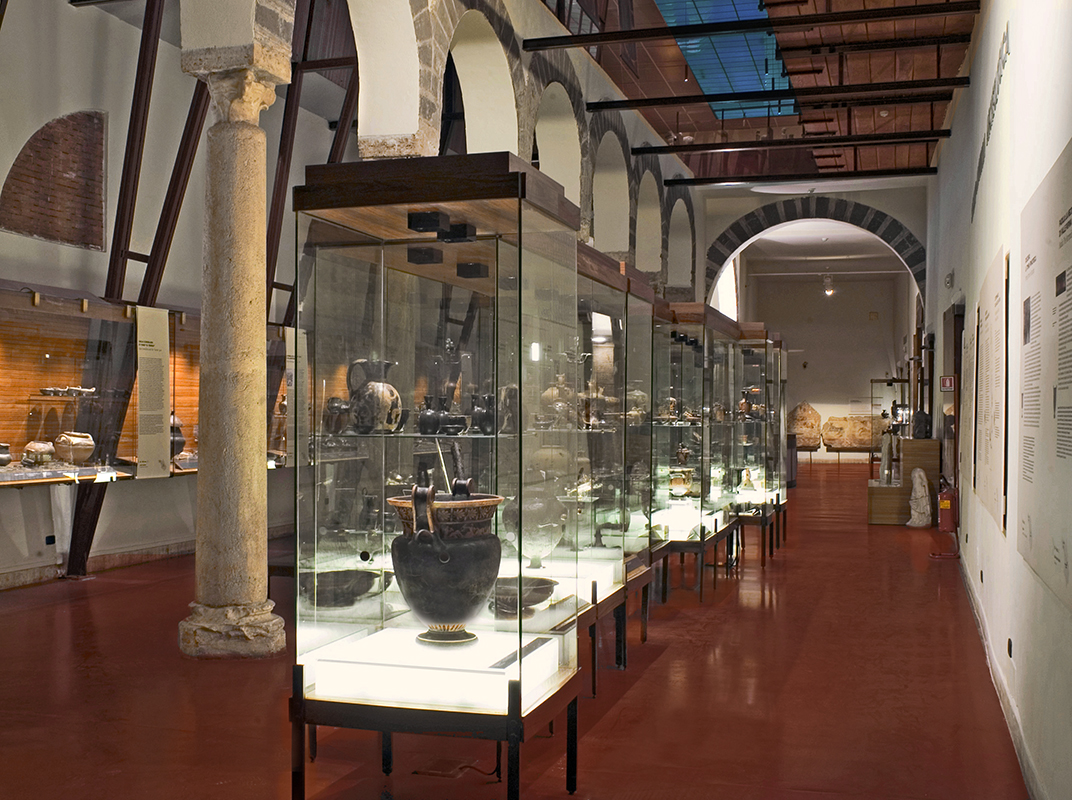
In Salerno, at the end of the fourteenth century, Margherita di Durazzo, mother of King Ladislao: the loggia of his palace, in beautiful Renaissance style, is integrated in the Provincial Archaeological Museum, and his tomb, of balance and elegance, is located at the bottom of the left aisle of the town cathedral, where it was transferred from the Salento convent of St. Francis, where it was originally located.
Some Salernitane churches are of the sixteenth century, but the century, from an artistic point of view, is marked by Andrea Sabatini, known as Andrea da Salerno, pupil of Raffaello, whose works are visible in the Church of San Giorgio, and in the Pinacoteca del Museo Diocesano.



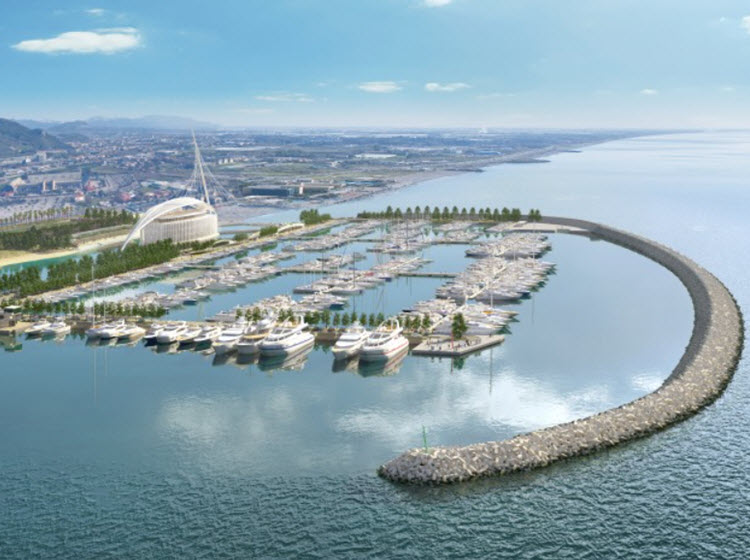
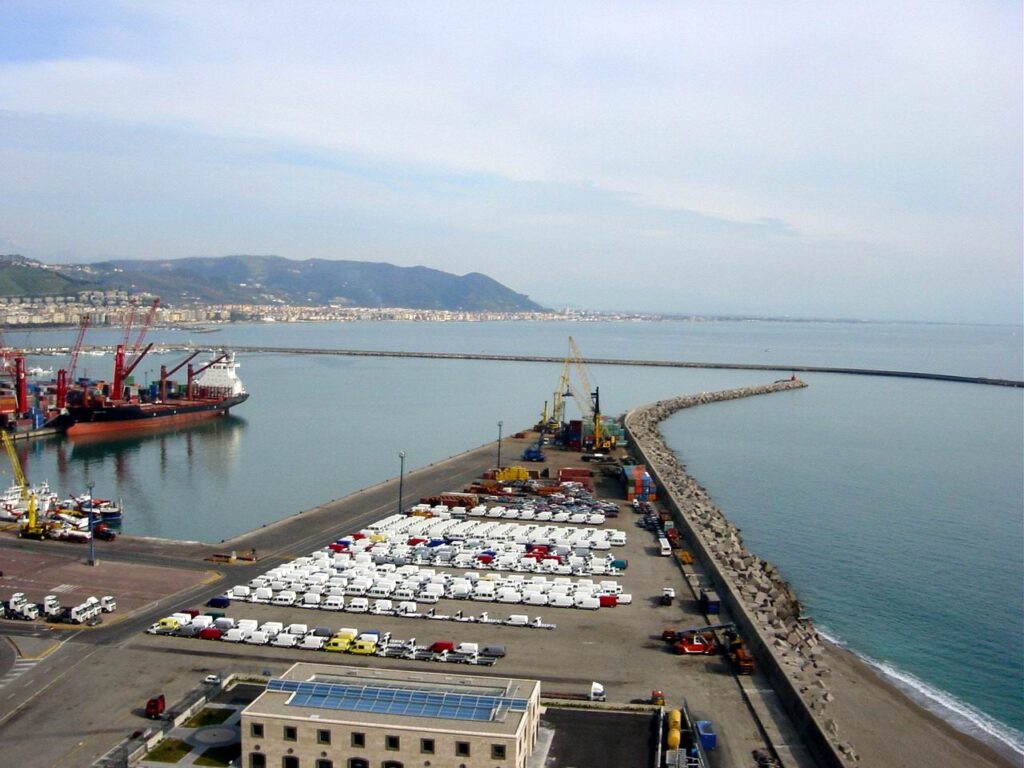 Ports Modern Architecture Molo Manfredi porto di Salerno, Salerno, SA, Italia