In 1076 the Norman Duke Roberto il Guiscardo, belonging to the Altavilla family, conquered Salerno and put an end to the Lombard rule, but not to the wealth and importance of the city. In fact.
Roberto is a powerful warrior, conquered all the South, marries the Lombard princess Sichelgaita, sister of the last Lombard prince of Salerno, Gisulfo II, who will defeat and hunt from his city. Salerno becomes the capital of the Duchy of Puglia and Calabria: with the conquest of Sicily almost all the Mezzogiorno will be under Norman control, creating the precondition of the foundation, in 1130, of a Kingdom destined, with different and successive rulers, to last until the expedition of Garibaldi.
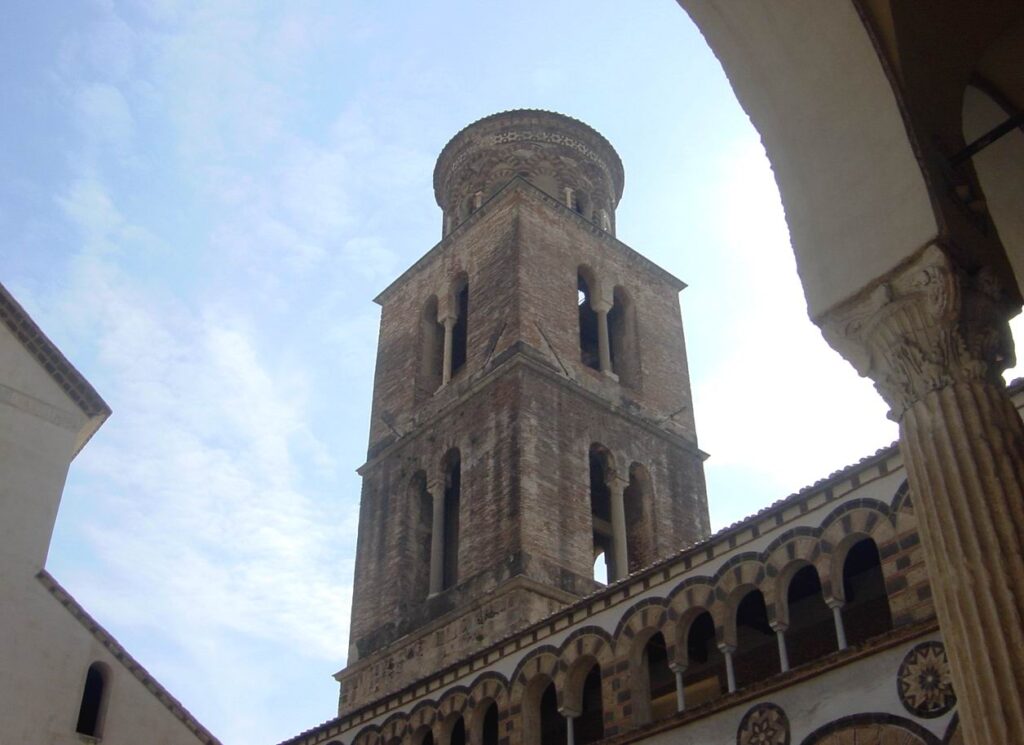
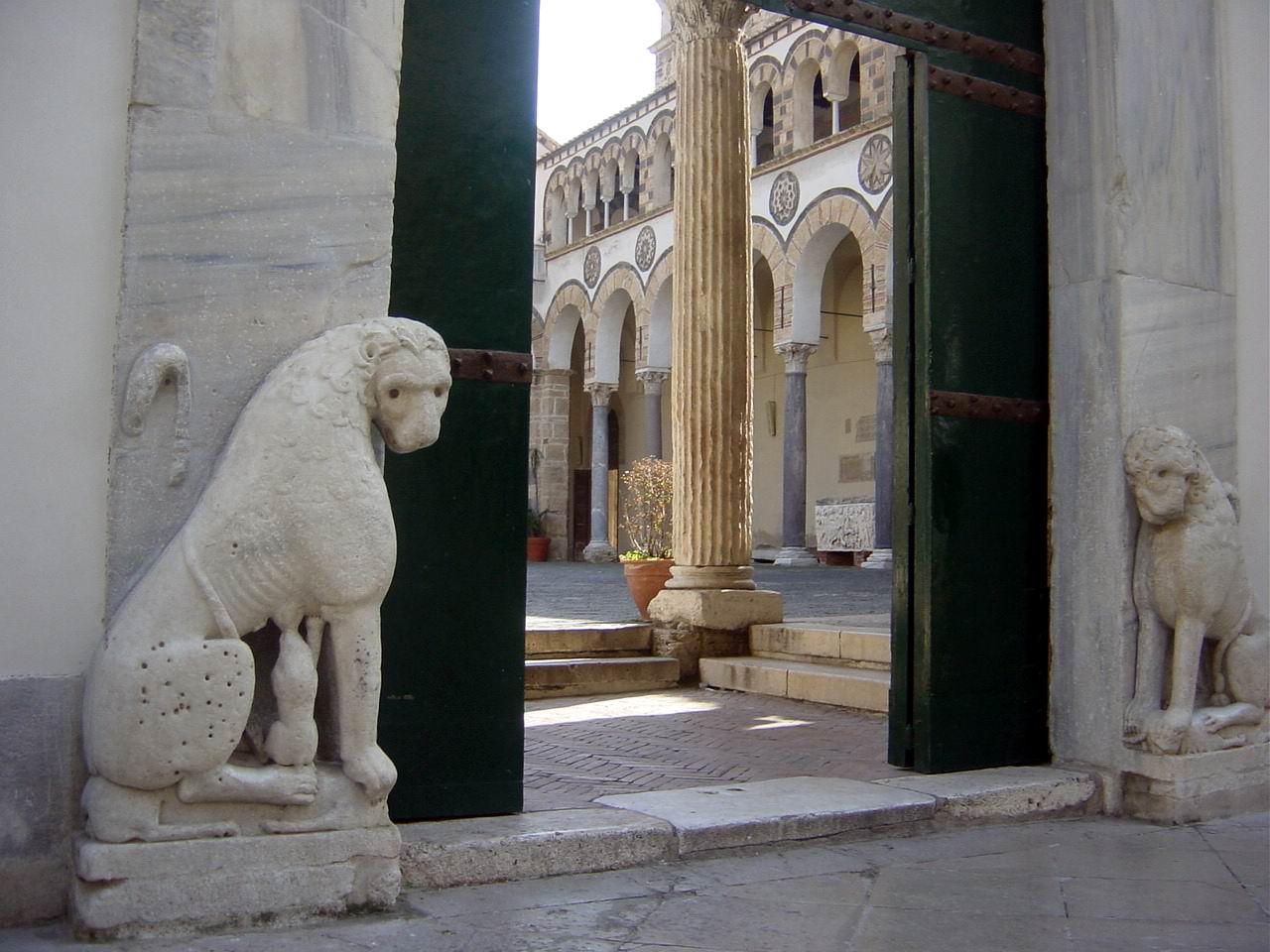
Roberto builds a new residence, Castel Terracena, and begins the construction of the Cathedral dedicated to San Matteo, the evangelist whose body – precious relics – has miraculously arrived on the Salento coast and then moved to the city since the previous century. In the splendid Cathedral is hosted Pope Gregory VII, escaped the Emperor Henry IV, who will die here, and is still buried in the cathedral, a saint venerated by the city.
The Medical School finds new impetus thanks to the intervention of Bishop Alfano I, and, between Lombards and Normans, in Salerno would have operated the medicalian Trotula, whose writings on the diseases of women will remain for centuries used as manuals of gynecology.
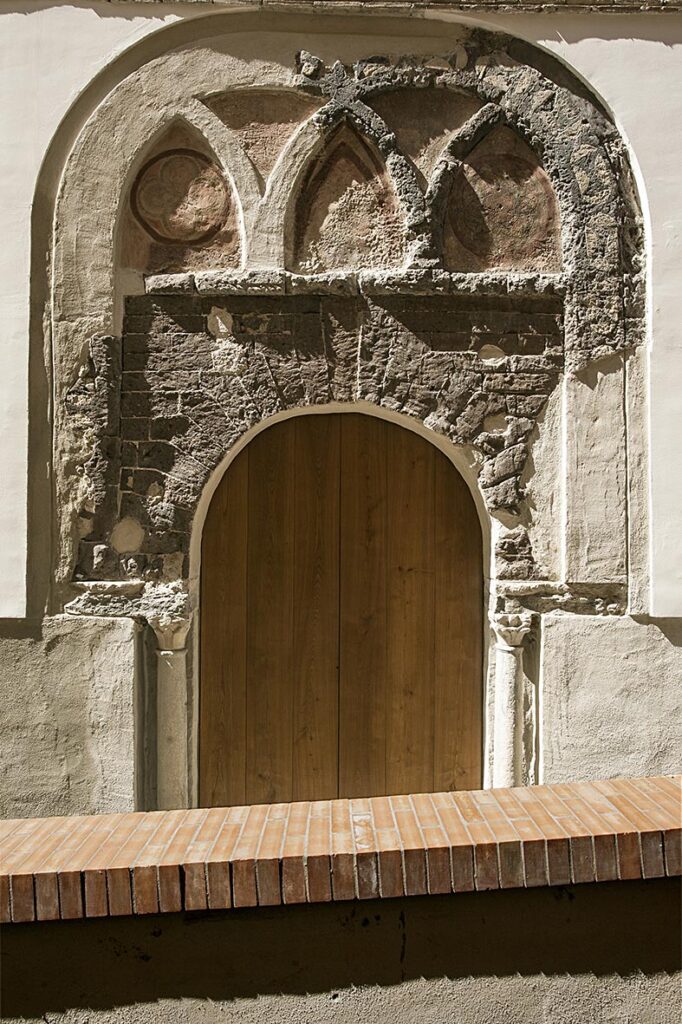
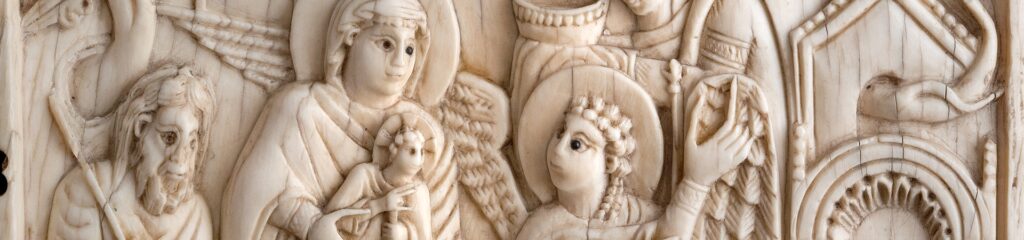
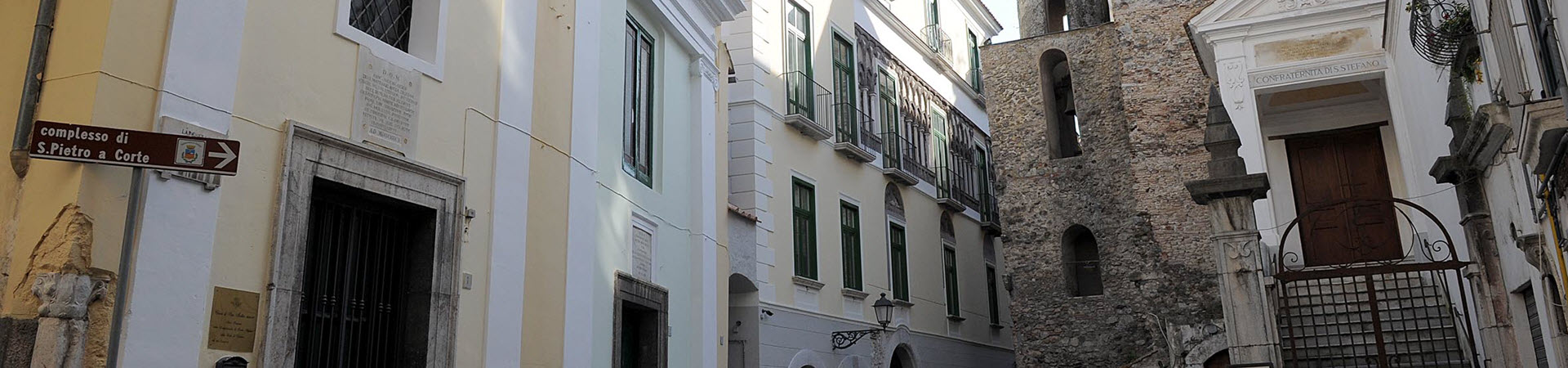
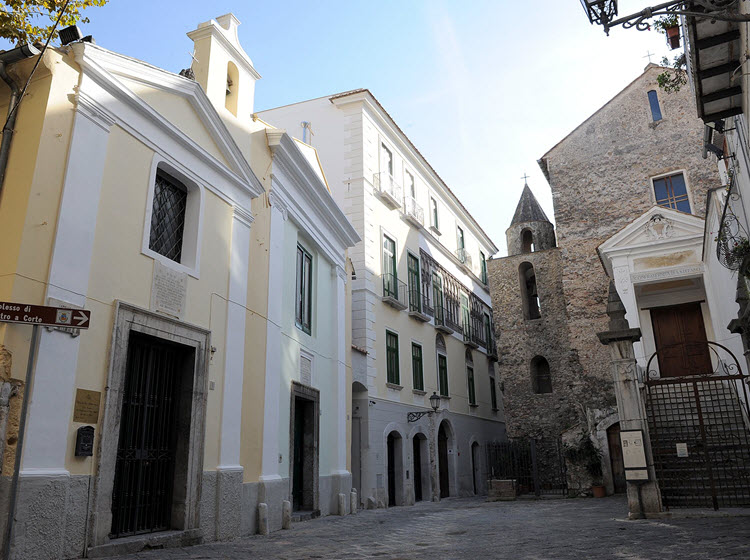
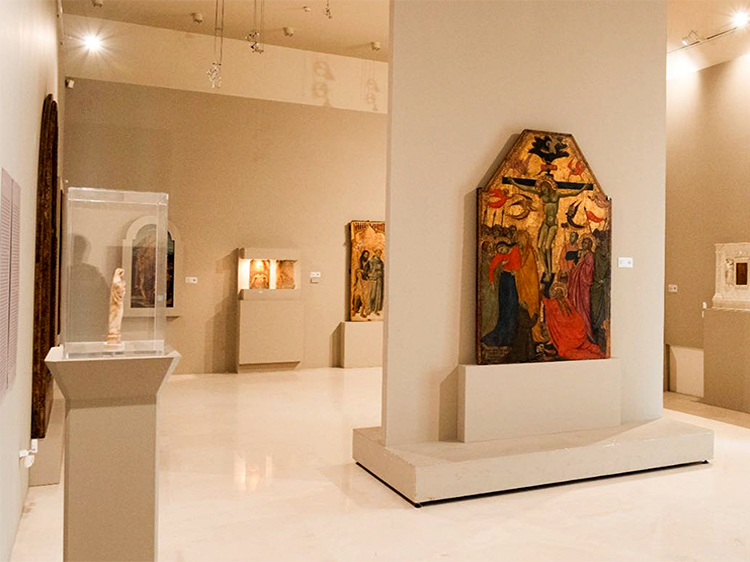
Palazzo Fruscione is built in recent years and represents the only example of existing residential architecture of the Norman period. In the Diocesan Museum are preserved the beautiful ivory with the stories of the Old and the New Testament: a cycle of great beauty and rarity.



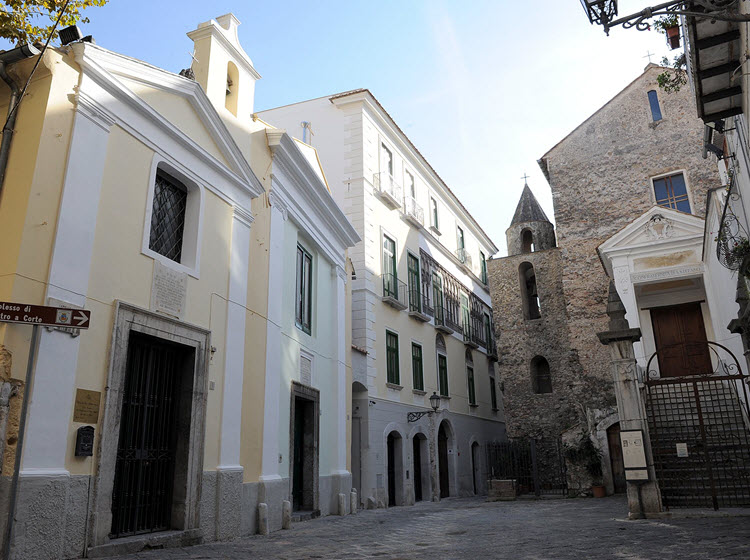
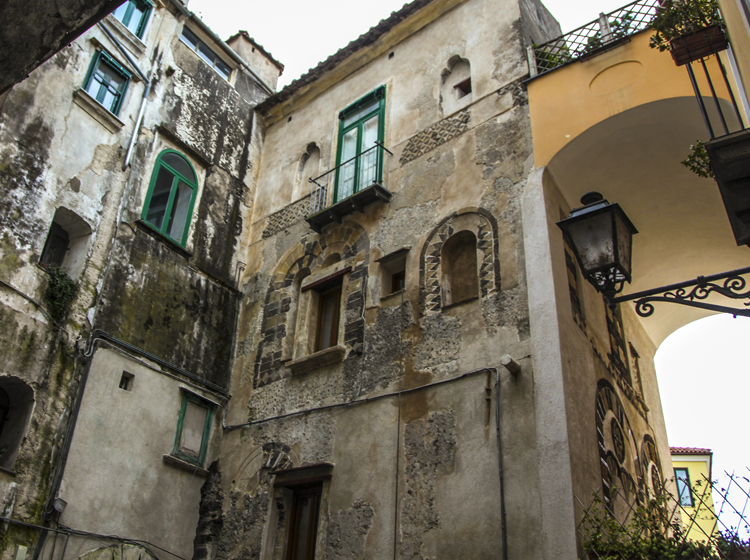
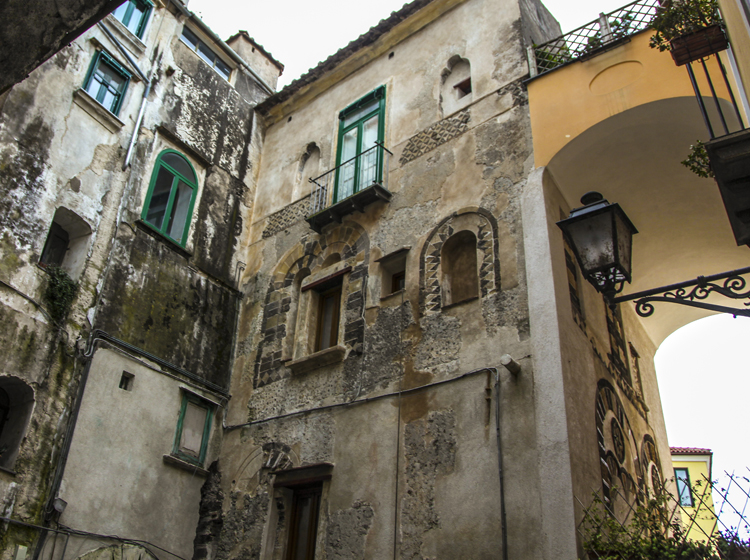 Terracena Castle Palaces and Squares vicolo Castel Terracena, 84122 Salerno